
In the architecture of a successful organization, the distinction between a leader and a manager is often blurred. Because these roles frequently overlap within the same job description, many professionals struggle to identify where management ends and leadership begins. While the terms are often used interchangeably in corporate communications, they represent fundamentally different approaches to influence, structural organization, and human capital. Understanding this dichotomy is essential for any professional seeking to elevate their career from merely executing tasks to defining the future of their brand.
The Operational Mechanics of Management
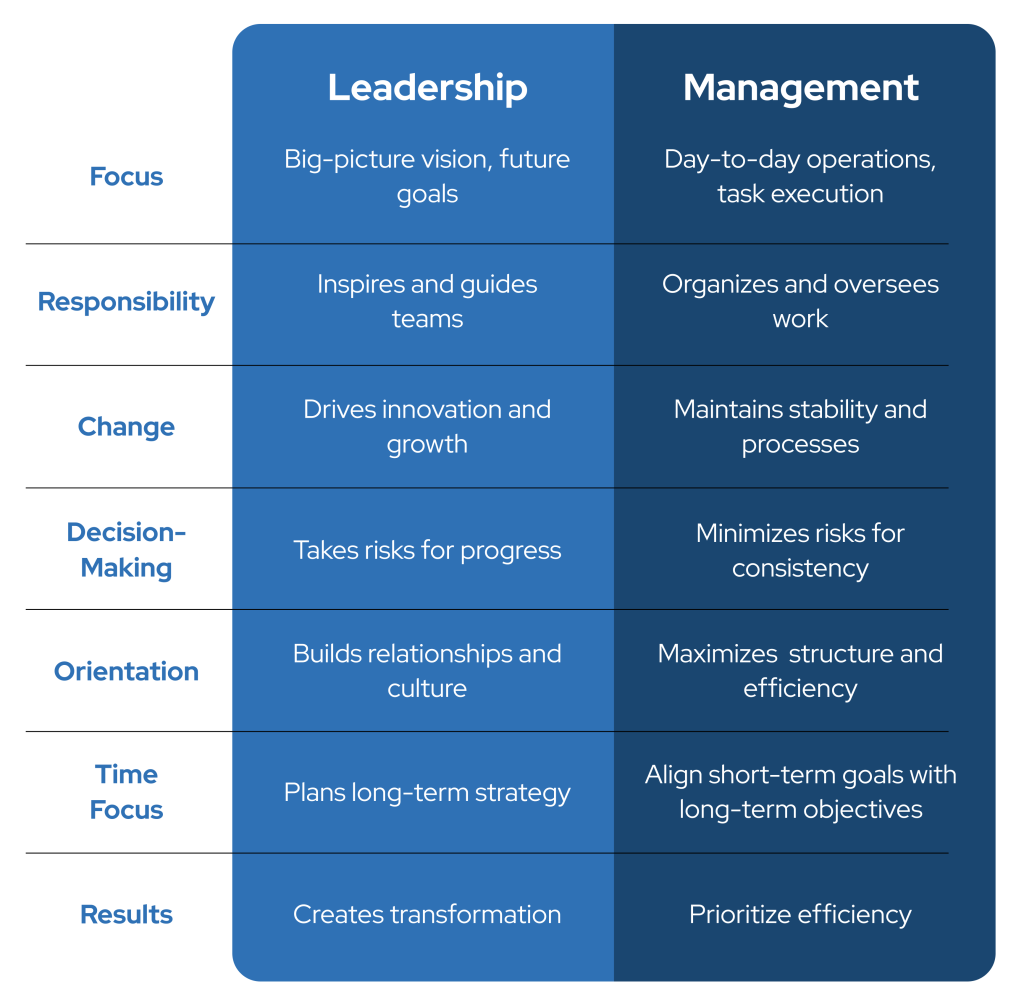
Management is fundamentally a function of stability. Its primary goal is to ensure that a brand’s internal processes remain efficient, predictable, and aligned with organizational objectives. A manager is the architect of the status quo—they are responsible for the “how” and the “when” of business operations.

Resource Allocation and Process Optimization
At the heart of management is the optimization of resources. Whether those resources are financial, technological, or human, a manager’s mandate is to maximize output while minimizing waste. This requires a deep understanding of corporate identity and the technical constraints of the brand. Managers spend their days coordinating workflows, setting KPIs, and ensuring that the brand’s promises are fulfilled with consistency. They are the guardians of quality control, ensuring that the brand’s reputation is upheld through the rigorous application of standardized procedures.
Risk Mitigation and Predictability
A key characteristic of management is the desire for stability. Managers thrive in environments where variables are minimized. They build systems that act as safeguards, ensuring that if a process fails, there is a contingency plan in place. From a branding perspective, this is vital; consistent output is what allows a brand to become reliable in the eyes of the consumer. Managers mitigate the risks associated with scaling a business by refining the systems that support that growth.
The Visionary Scope of Leadership
If management is about maintaining the ship, leadership is about charting the course. Leadership is not a position within a corporate hierarchy; it is a behavioral practice rooted in influence, vision, and the ability to challenge the status quo. Leaders are not tasked with keeping things the same; they are tasked with the difficult work of transformation.
Defining and Communicating the North Star
Leaders operate in the realm of the “why.” While a manager focuses on the quarterly targets, a leader focuses on the mission that extends beyond the fiscal year. They are responsible for crafting a narrative that gives meaning to the brand’s efforts. This requires an acute sense of branding, as a leader must be able to articulate a vision so compelling that it becomes the collective identity of the entire workforce. When a brand undergoes a pivot, it is the leader who provides the emotional and intellectual tether that keeps the team aligned during periods of high ambiguity.
Cultivating Talent and Intellectual Capital
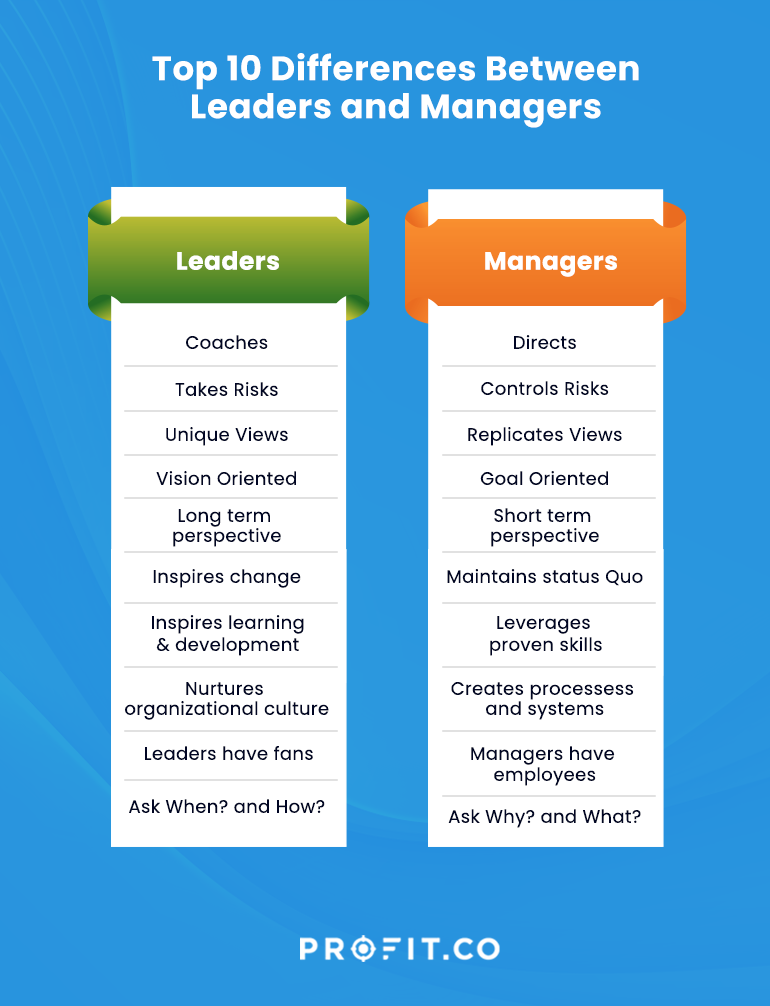
Unlike managers, who often view personnel as components of a productive machine, leaders view their teams as an ecosystem of untapped potential. Leadership is inherently an exercise in personal branding—specifically, the brand of the organization as a magnet for top-tier talent. A true leader understands that their own success is measured by the growth and autonomy of those they influence. They move away from the “command and control” model and toward a “coach and inspire” model. By investing in the development of their people, leaders ensure the longevity and adaptability of the brand, effectively future-proofing the organization against market shifts.
Bridging the Gap: The Integrated Professional
While the functions of management and leadership are distinct, the most effective professionals find a way to integrate both. The modern corporate environment demands a hybrid approach: one that respects the rigor of management while embracing the courage of leadership.
The Managerial Leadership Balance
An organization governed only by managers risks stagnation. Without vision, a brand becomes a legacy entity, slowly losing relevance as it optimizes itself into irrelevance. Conversely, an organization governed only by leaders risks chaos. Without the discipline of management, a vision remains a daydream, incapable of execution or meaningful commercial impact.
The “Managerial Leader” is a professional who understands that you cannot scale a vision without operational excellence. They build strong, consistent systems (the manager) but do so with the express intent of enabling the team to pursue a higher mission (the leader). They use KPIs to track progress, but they use storytelling to explain the meaning behind the data. This synthesis is the hallmark of high-performing brands.
Influence Over Authority
The fundamental shift from being a manager to being a leader occurs when one moves away from relying on formal authority. A manager can force compliance through hierarchical power—”do this because I said so.” A leader, however, earns commitment through influence.
In the context of corporate branding, this is the difference between a brand that customers buy because they have no other choice (the result of mere management) and a brand that customers advocate for because they believe in its purpose (the result of leadership). When a leader stands at the helm, the brand becomes a movement. They create a culture where employees and customers alike feel part of something larger than a simple transaction.
Navigating the Path to Influence
Developing the traits of a leader while maintaining the proficiency of a manager requires intentional effort. It requires a pivot in mindset from “managing the work” to “leading the people who do the work.”
Strategic Empathy
Leadership requires a high degree of emotional intelligence. Leaders must be able to read the room, understand the anxieties associated with change, and communicate with transparency. While a manager focuses on the technical side of a project, the leader focuses on the psychological side. They know that a brand’s strength is predicated on the psychological safety of its employees. When people feel secure, they innovate; when they feel managed, they comply.
The Resilience of Vision
Leaders are rarely the most popular people in the room, particularly during periods of change. Because they are the ones challenging the status quo, they inevitably encounter resistance. The manager finds comfort in the status quo, whereas the leader finds it to be an anchor. Maintaining the courage to stay the course, even when the data suggests short-term discomfort, is what differentiates the visionary from the administrator.
Ultimately, every individual in a position of responsibility should aspire to this synthesis. We live in an era where change is the only constant. Technologies shift, markets fluctuate, and consumer preferences evolve in real-time. In this climate, the ability to manage the logistics of change is a prerequisite for survival, but the ability to lead through it is the only way to thrive.
Whether you are navigating a startup or steering a legacy corporation, remember that your role is twofold: protect the core, but challenge the horizon. Manage the process so that you can lead the people. By mastering this balance, you do more than just complete tasks—you build a brand that leaves a legacy.
aViewFromTheCave is a participant in the Amazon Services LLC Associates Program, an affiliate advertising program designed to provide a means for sites to earn advertising fees by advertising and linking to Amazon.com. Amazon, the Amazon logo, AmazonSupply, and the AmazonSupply logo are trademarks of Amazon.com, Inc. or its affiliates. As an Amazon Associate we earn affiliate commissions from qualifying purchases.