
When building a food and beverage brand, understanding the fundamental chemical and operational differences between product categories is the cornerstone of effective product positioning. For entrepreneurs in the artisanal dessert space, the distinction between ice cream and sorbet is not merely a matter of flavor profiles; it is a definitive marker of manufacturing processes, cost structures, regulatory labeling requirements, and target market segmentation. Distinguishing between these two products is essential for developing a cohesive brand identity and a scalable business model.
The Foundations of Brand Differentiation: Ingredients and Formulation
At the core of the brand strategy for a frozen dessert company lies the ingredient list. From a technical and branding perspective, ice cream and sorbet occupy entirely different tiers of the value chain.

The Dairy-Centric Profile of Ice Cream
Ice cream is defined by its fat content, specifically dairy fat. For a product to be legally marketed as “ice cream” in many jurisdictions, it must contain a minimum percentage of milk fat—typically around 10%. This dairy foundation is the primary driver of the sensory experience: creaminess, mouthfeel, and the slow melt rate associated with premium products. When marketing an ice cream brand, the narrative often focuses on “richness,” “indulgence,” “craftsmanship,” and the provenance of the milk or cream source. It is an exercise in selling comfort and luxury.
The Fruit-Forward Nature of Sorbet
Conversely, sorbet is fundamentally a fruit-based product that relies on a simple syrup (sugar dissolved in water) as its base. It is legally required to be dairy-free. This creates a distinct brand identity focused on “purity,” “freshness,” and “vibrancy.” Because sorbet lacks the fat-based mouthfeel of ice cream, the brand positioning must leverage the intensity of the fruit flavors. Sorbet is often marketed toward health-conscious consumers or those with dietary restrictions, such as lactose intolerance or veganism. The branding here relies on cleaner labels and the highlighting of specific fruit varieties.
Operational Economics and Margin Management
For a business owner, the divergence between these two products impacts the bottom line in significant ways. Understanding these costs is critical for effective pricing strategies and financial planning.
Supply Chain and Input Costs
Ice cream production involves a complex supply chain centered on dairy procurement. Fluctuations in dairy commodity prices directly impact the cost of goods sold (COGS). Furthermore, dairy is a highly perishable ingredient that requires stringent cold-chain management and rapid turnover, increasing the risk of inventory loss.
Sorbet, however, has a more streamlined supply chain, though one susceptible to seasonal fruit pricing. Because sorbet does not require the capital-intensive infrastructure for dairy handling, some startups find it an easier entry point into the market. However, maintaining consistent quality requires sourcing high-quality, high-flavor-density fruits or purees, which can be an expensive component.
Equipment and Manufacturing Considerations
The manufacturing process for ice cream is mechanically intensive. To achieve the desired texture, ice cream requires high-speed churning to incorporate air, a process known as “overrun.” Managing the air-to-base ratio is a technical challenge that dictates the final product’s quality and profitability.

Sorbet production, while also requiring churning, does not typically prioritize high overrun. The technical challenge for the sorbet producer is managing the sugar content—known as “Brix”—to ensure the product remains scoopable at serving temperatures without becoming icy or rock-hard. A business producing both products must manage two separate manufacturing environments to prevent cross-contamination, particularly if the brand markets its sorbet as allergen-friendly or vegan.
Target Audience and Market Positioning
Strategic branding requires a deep understanding of who is buying the product and why. While both products occupy the “frozen dessert” category, they serve different consumer “jobs-to-be-done.”
The “Indulgence” Consumer
Ice cream consumers are generally seeking a treat. The branding strategies that work best here involve emotional triggers: nostalgia, reward, and communal experiences. Think of high-end pints in the grocery store—they are positioned as the reward at the end of a long week. The brand identity is built around the “experience” of the fat content melting on the tongue. Premium ice cream brands often compete on the complexity of their mix-ins and the density of their product.
The “Wellness and Purity” Consumer
Sorbet consumers are increasingly focused on ingredient transparency. The brand narrative for sorbet should emphasize what is not in the product as much as what is. Marketing a sorbet brand requires emphasizing the lack of artificial preservatives, high-fructose corn syrups, or dairy fillers. This segment of the market is less about “indulgence” and more about “refined enjoyment.” Sorbet is frequently positioned as a palate cleanser in culinary settings or a light, refreshing finish to a heavy meal, distinguishing it from the dense, calorie-heavy nature of traditional ice cream.
Scaling and Brand Extension Strategies
When a business decides to expand, the decision to produce ice cream versus sorbet—or both—determines the trajectory of their brand growth.
Leveraging Brand Equity for Line Extensions
A common brand strategy is to start with a signature product and expand horizontally. If a brand has established itself as an authority in high-quality dairy, extending into a “dairy-free sorbet” line can be a strategic move to capture the lactose-intolerant or vegan demographic without alienating the core base. However, this must be handled carefully to ensure the brand image of “creaminess” isn’t undermined by the icy texture of sorbet.
Conversely, a sorbet-first brand has the opportunity to market itself as a clean-label disruptor. They can build a reputation for fruit-forward innovation, potentially moving into other beverage or frozen segments where “natural” and “fresh” are the primary brand values.
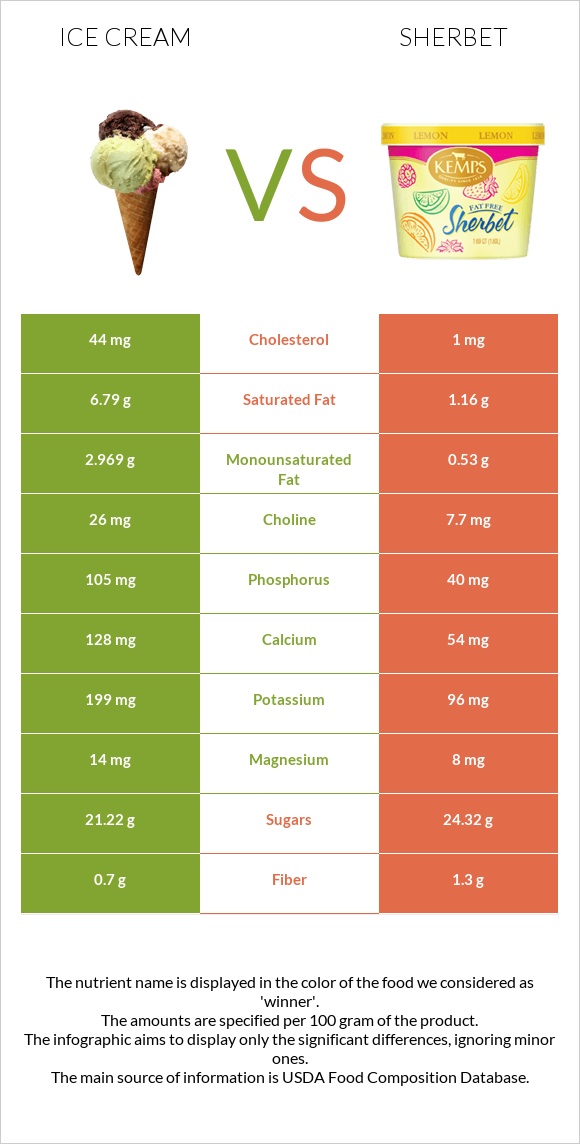
Regulatory and Packaging Constraints
From a marketing design perspective, packaging for these two categories must be distinct. Ice cream packaging often utilizes heavy, insulated materials and vibrant, indulgent imagery—darker colors, gold accents, and depictions of cream or mix-ins. Sorbet packaging, to align with the “fresh/clean” strategy, often leans toward lighter aesthetics: clear windows, white or bright color palettes, and photography that highlights the raw fruit components.
Furthermore, labeling regulations are strict. A brand that accidentally misleads a customer about the dairy content of a product risks significant damage to their reputation and potential legal consequences. Ensuring that the “sorbet” designation is clearly distinguished from “ice cream” on all marketing collateral is a fundamental aspect of risk management in the food industry.
Ultimately, the difference between ice cream and sorbet is far more than a debate over ingredients; it is the bedrock of a brand’s market identity. Whether a business chooses to pursue the indulgent, high-fat path of ice cream or the clean, vibrant route of sorbet, the success of the venture will depend on the alignment of the product’s physical characteristics with the psychological expectations of the customer. By mastering these distinctions, brand leaders can optimize their operations, refine their marketing, and solidify their position in a competitive landscape.
aViewFromTheCave is a participant in the Amazon Services LLC Associates Program, an affiliate advertising program designed to provide a means for sites to earn advertising fees by advertising and linking to Amazon.com. Amazon, the Amazon logo, AmazonSupply, and the AmazonSupply logo are trademarks of Amazon.com, Inc. or its affiliates. As an Amazon Associate we earn affiliate commissions from qualifying purchases.