
In the high-stakes world of marketing, design, and advertising, the most brilliant campaigns are rarely the result of sudden, unprompted lightning bolts of genius. Instead, they are the byproduct of rigorous preparation, deep insight, and a shared vision. At the center of this foundational process sits a single, deceptively simple document: the creative brief.
A creative brief is the roadmap for any collaborative project. It is a strategic document that outlines the “who, what, when, where, and why” of a creative assignment. It serves as the primary bridge between a client’s business objectives and a creative team’s execution. Without a well-crafted brief, even the most talented designers and copywriters are left guessing, leading to wasted time, misaligned expectations, and designs that look beautiful but fail to convert.
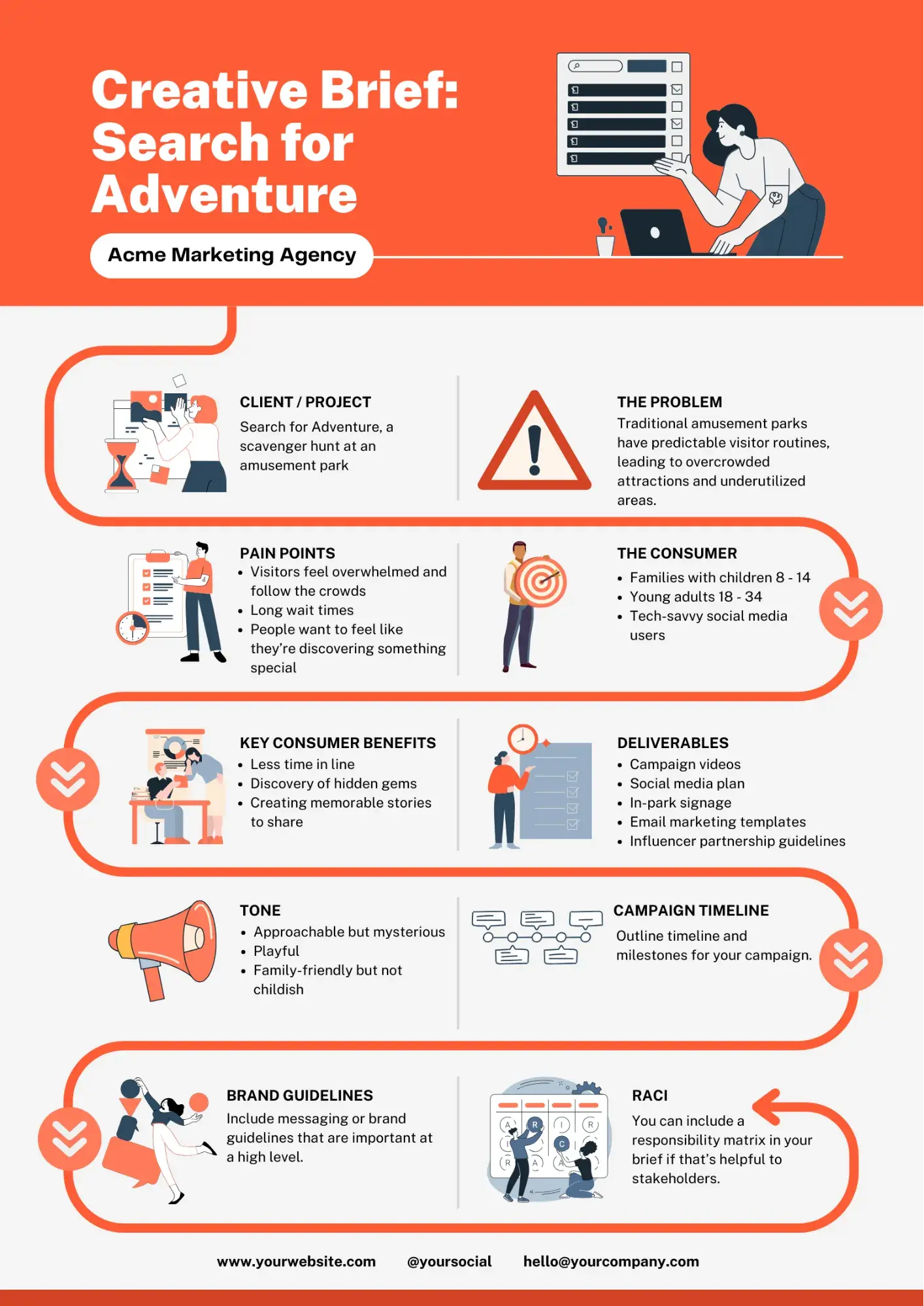
The Anatomy of an Effective Creative Brief
A creative brief is not merely a list of tasks; it is a distillation of strategy. It needs to be concise enough to be actionable, yet detailed enough to provide clear guardrails for the creative process. While formats vary by industry and agency, the most effective briefs share a core set of components.
Defining the Core Problem
The most important section of any brief is the statement of the problem. If you cannot articulate the challenge you are trying to solve, you cannot build a solution. Are you suffering from a lack of brand awareness among Gen Z? Is your conversion rate low because your checkout process is too complex? By focusing on the problem rather than the deliverable—saying “we need to reduce friction in the user journey” rather than “we need a new landing page”—you empower your creative team to think strategically about the best possible solution.
Target Audience and Persona
Who are you talking to? A creative brief must go beyond basic demographics like age, location, and income. It must reach into psychographics: what are their pain points, their desires, their values, and their daily habits? When the creative team understands the “who” with depth and empathy, they can craft messaging and visuals that resonate on an emotional level.
Objectives and Key Results
Creative work in a corporate environment is fundamentally tied to business goals. Whether it is lead generation, product adoption, or brand repositioning, the brief must explicitly state what success looks like. Defining Key Performance Indicators (KPIs) ensures that the creative team can measure their success through metrics that matter to the stakeholders.
Aligning Brand Identity and Messaging
A creative brief serves as the guardian of the brand. It ensures that regardless of who is working on a project—whether it is an internal department or an external agency—the output feels consistent with the brand’s larger identity.
Voice and Tone
Language is a powerful tool for brand differentiation. The brief should clarify how the brand sounds. Is the tone authoritative and academic, or playful and irreverent? Is it minimalist or wordy? Providing clear examples of the desired tone, or even “anti-examples” (what the brand is definitely not), helps copywriters align their voice with the broader organizational identity.
Visual Guardrails
While the brief shouldn’t dictate specific design choices—doing so would stifle the very creativity you are looking to harness—it should establish visual constraints. This involves referencing existing brand style guides, color palettes, and typography requirements. By setting these parameters early, you avoid the “we don’t like this color” feedback loop that often happens during the review stages.
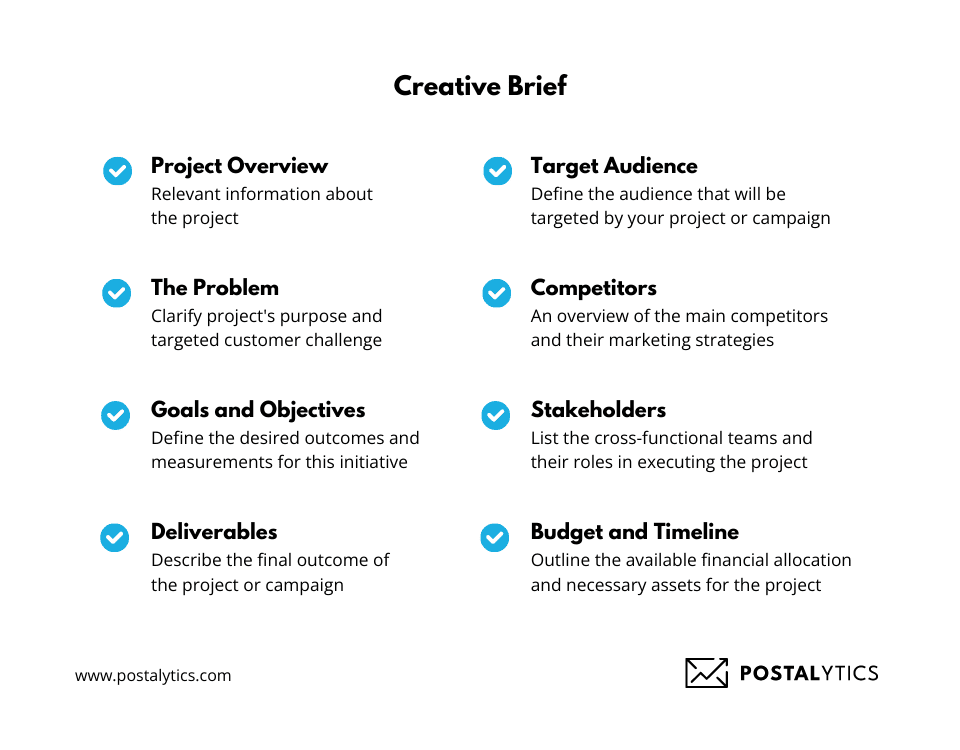
The Unique Value Proposition
What makes this specific product or campaign different from the competition? The creative brief must highlight the competitive advantage. This is the “hook” that the creative team will leverage to grab the audience’s attention. If your product is faster, cheaper, or more sustainable, the brief needs to emphasize that core differentiator as the central pillar of the creative output.
The Workflow: From Brief to Execution
The creation of a brief is a collaborative exercise, not a top-down mandate. The most successful projects are those where the brief is reviewed, questioned, and refined by the team that will actually be doing the work.
The Collaborative Kick-off
The brief should be presented during a formal kick-off meeting. This is not just a hand-off; it is a forum for discussion. Creative leads should be encouraged to ask questions, challenge assumptions, and identify potential roadblocks before the project begins. When a creative team feels they have input into the brief, they take greater ownership of the final result.
Iterative Feedback and Revision
A creative brief is a living document, but it should not change once the work begins. If the strategy changes mid-flight, you are effectively asking the creative team to restart. However, the feedback process on the work itself should always be mapped back to the original brief. If a stakeholder wants to change a headline, the first question should be: “Does this change align with the goals and audience we defined in the creative brief?” This objective-based review process helps remove ego from the conversation and keeps the project on track.
The “Single Source of Truth”
In complex organizations, communication silos are common. A brief acts as the “single source of truth.” When departments such as sales, marketing, and product development all agree on the contents of the brief, it prevents the dreaded “scope creep” where new requirements are added on the fly. It acts as the reference point to which the project manager can return whenever questions of scope, intent, or priority arise.
Why Projects Fail Without a Brief
The cost of skipping the creative brief is rarely monetary in the short term, but it is devastating in the long term. Without a brief, projects tend to meander. They lack a focal point, resulting in “Frankenstein” assets that attempt to address too many disparate goals at once.
The Dangers of Ambiguity
Ambiguity is the enemy of creativity. When stakeholders provide vague instructions like “make it pop” or “make it look more modern,” the creative team is left to rely on their own personal interpretations of those subjective terms. This leads to endless revision rounds, frustrated designers, and a burned-out marketing team. The brief forces stakeholders to articulate their vision in concrete, objective terms, translating abstract desires into a professional requirements list.
Saving Time Through Alignment
Many clients complain that they don’t have time to write a brief. In reality, they don’t have time not to. The hours spent debating the core message, defining the audience, and agreeing on objectives at the start of a project prevent weeks of misalignment later on. A brief is an investment in efficiency. It reduces the need for constant “check-in” meetings, clarifies roles and responsibilities, and ensures that the final deliverable is ready for deployment without significant, late-stage re-work.

Building Long-Term Strategic Value
Every creative brief completed is a piece of historical data for the organization. Over time, these documents create a library of strategy that helps the brand evolve. By looking back at previous briefs, a marketing department can identify which strategies succeeded and which failed, allowing them to refine their approach for future campaigns. The brief is not just for the current project; it is a repository of institutional knowledge.
Ultimately, the creative brief is the discipline that turns a collection of subjective opinions into a strategic execution. It demands that we slow down to think clearly before we rush to create. In the fast-paced world of modern marketing, that moment of clarity is exactly what separates a fleeting ad campaign from a powerful, lasting brand identity. Whether you are a solo entrepreneur or a lead strategist at a global firm, mastering the art of the brief is the single most effective way to ensure your creativity is always working toward your business success.
aViewFromTheCave is a participant in the Amazon Services LLC Associates Program, an affiliate advertising program designed to provide a means for sites to earn advertising fees by advertising and linking to Amazon.com. Amazon, the Amazon logo, AmazonSupply, and the AmazonSupply logo are trademarks of Amazon.com, Inc. or its affiliates. As an Amazon Associate we earn affiliate commissions from qualifying purchases.