
The Illusion of Black: Atmospheric Physics and Brand Perception
When we look at the night sky, we perceive a canvas of deep, velvet blackness. From a scientific perspective, this darkness is the result of the Earth rotating away from the sun, removing the scattering of blue light that defines our daylight experience. However, in the realm of branding and visual communication, this “nothingness” is rarely treated as a void. Instead, it is a strategic asset.
The perception of night is not merely a physical state; it is a brand identity. When a luxury watchmaker, a high-end automotive brand, or a premium fragrance line chooses to market their products against the backdrop of the night sky, they are not just showing a lack of light. They are leveraging the psychological connotations of mystery, exclusivity, and infinite possibility.
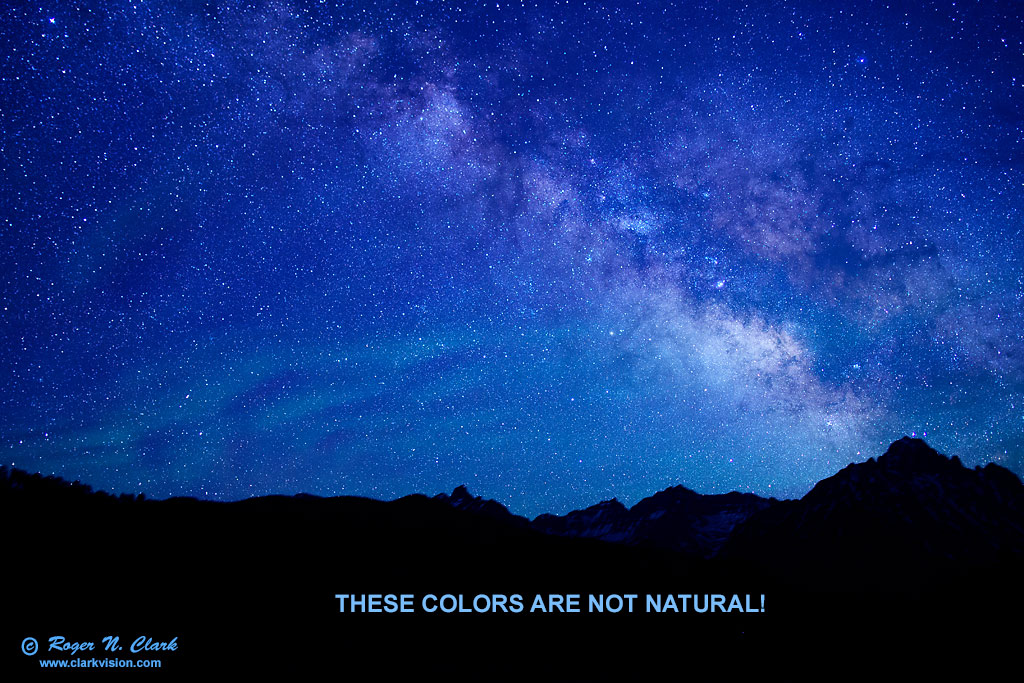
Brands often utilize the “color of the night” to differentiate themselves from competitors who rely on bright, energetic daytime palettes. By understanding the visual language of the night, businesses can craft identities that resonate with consumers’ desires for sophistication and depth. The “black” of the night sky is not a singular hue; it is a spectrum of deep navy, charcoal, and onyx, each carrying unique psychological weight.
The Psychology of Deep Tones in Corporate Identity
The human brain processes the absence of light differently than the presence of color. In corporate branding, the strategic use of dark, “nocturnal” aesthetics serves several critical functions.
Authority and Sophistication
Historically, dark colors—particularly black and deep midnight blue—have been associated with authority and elegance. Think of the “little black dress” or the sleek, dark packaging of a premium smartphone. When a brand adopts the color of the night sky as its primary visual identity, it signals to the consumer that it is established, serious, and premium.
Creating Focus through Contrast
Much like a star appearing brighter against a dark sky, a brand’s logo or key message gains impact when set against a dark background. This is the cornerstone of effective minimalist design. By stripping away the visual “noise” of a daylight palette, designers can guide the consumer’s eye exactly where it needs to go. This “night mode” approach to design is no longer just a digital trend; it is a fundamental aspect of high-end brand strategy.
Trust and Stability
In finance and legal services, deep blues and charcoal grays—colors that mirror the transition from twilight to true night—are used to foster trust. These colors provide a psychological anchor. They suggest that, like the night sky, the institution is constant, reliable, and deeply rooted.
Digital Design: The Rise of “Dark Mode” as a Brand Standard

The digital world has undergone a shift in the last decade. Dark mode—a user interface option that utilizes a dark color scheme—was once a niche preference for programmers. Today, it is a hallmark of modern UI/UX design. This transition is not just about battery life or reduced eye strain; it is a branding evolution.
The Aesthetics of Modernity
Apps that default to or prominently feature dark, night-like interfaces are often perceived as more modern and tech-forward. This is because the “dark interface” mimics the high-end, cinematic experience of premium media streaming services. When users open an application and are greeted by a deep, midnight-hued interface, they subconsciously associate the brand with the latest in digital innovation.
Enhancing Emotional Connection
Digital environments are increasingly intimate. We look at our screens in the quiet hours of the night. A brand that aligns its digital presence with the aesthetic of the evening—using deep, soft tones rather than jarring, bright whites—creates a more empathetic user experience. This alignment builds a subtle but powerful emotional bridge, making the brand feel like a companion in the user’s private, nocturnal world rather than an intrusive daylight sales pitch.
Translating the Night into Brand Strategy
Implementing a “nocturnal” strategy requires more than just picking a shade of black. It requires a nuanced understanding of texture, material, and light.
The Materiality of Darkness
In luxury physical goods, the color of the night is rarely a flat matte. It is achieved through textures—satin finishes on luxury car interiors, high-gloss lacquers on designer furniture, or textured charcoal paper stocks in premium packaging. These materials interact with light in the same way the actual night sky interacts with the moon and stars, creating depth and dimension. Brands that successfully capture the “night” do so by mimicking these natural light-play dynamics.
Photography and Visual Narrative
For luxury brands, the imagery used in campaigns often takes place in the “blue hour”—that fleeting period of twilight. This choice is intentional. It allows for a color palette that is rich, saturated, and inherently premium. By capturing their products in this light, brands invite the consumer into a world that feels exclusive and elevated. It moves the product out of the mundane, functional reality of the day and into an aspirational, narrative-driven space.
Consistency Across Touchpoints
A brand’s identity is only as strong as its consistency. If a brand positions itself as “the midnight star,” that aesthetic must persist from the logo and website to the physical store experience and the unboxing process. Using light, shadow, and deep color palettes consistently across all touchpoints reinforces the brand’s positioning as a premium player. It creates a cohesive world that the consumer wants to be a part of.

Conclusion: The Infinite Canvas
The question “what is the color of the sky at night” leads us far beyond meteorology. It brings us into a space where human perception, emotion, and aesthetic strategy intersect. For a brand, the night sky is the ultimate canvas. It is a space where the ordinary disappears and the extraordinary can be highlighted.
By mastering the use of deep, nocturnal aesthetics, businesses can transcend the clutter of traditional, daylight-oriented marketing. They can communicate luxury, authority, and intimacy in ways that bright, literal messaging never could. Whether it is through the UI of a cutting-edge app, the packaging of a high-end product, or the overall visual direction of a global campaign, the “color of the night” remains one of the most effective tools in the branding strategist’s arsenal. It represents the quiet confidence of a brand that doesn’t need to scream to be noticed; it simply exists, deep and vast, demanding to be explored.
Ultimately, the color of the sky at night is not a singular value, but a strategic decision. It is the color of depth, the color of mystery, and for those who know how to wield it, the color of an enduring brand legacy. As digital and physical worlds continue to blur, the ability to command this space—to own the night—will define the next generation of iconic brands. Those who treat the “black” of the sky as a blank slate for creativity will find that they have not just marketed a product, but have sold an experience that persists long after the sun has gone down.
aViewFromTheCave is a participant in the Amazon Services LLC Associates Program, an affiliate advertising program designed to provide a means for sites to earn advertising fees by advertising and linking to Amazon.com. Amazon, the Amazon logo, AmazonSupply, and the AmazonSupply logo are trademarks of Amazon.com, Inc. or its affiliates. As an Amazon Associate we earn affiliate commissions from qualifying purchases.