
The alarming moniker “murder hornet” has captured headlines and sparked widespread concern. While the dramatic name suggests a creature of pure terror, understanding what these formidable insects actually look like is crucial for both recognition and informed response. Beyond their imposing appearance, delving into their physical characteristics offers insights into their behavior, their impact, and why they’ve become such a significant point of discussion, touching upon themes that resonate with our website’s core focus on Tech, Brand, and Money.
The Striking Visage of the Asian Giant Hornet
The Asian Giant Hornet (Vespa mandarinia), colloquially known as the “murder hornet,” is undeniably an impressive and intimidating insect. Their sheer size sets them apart from most common wasps and hornets, immediately signaling their status as apex predators within the insect world. To accurately describe what they look like, we need to break down their key physical attributes.
Size and Scale: A Giant Among Insects
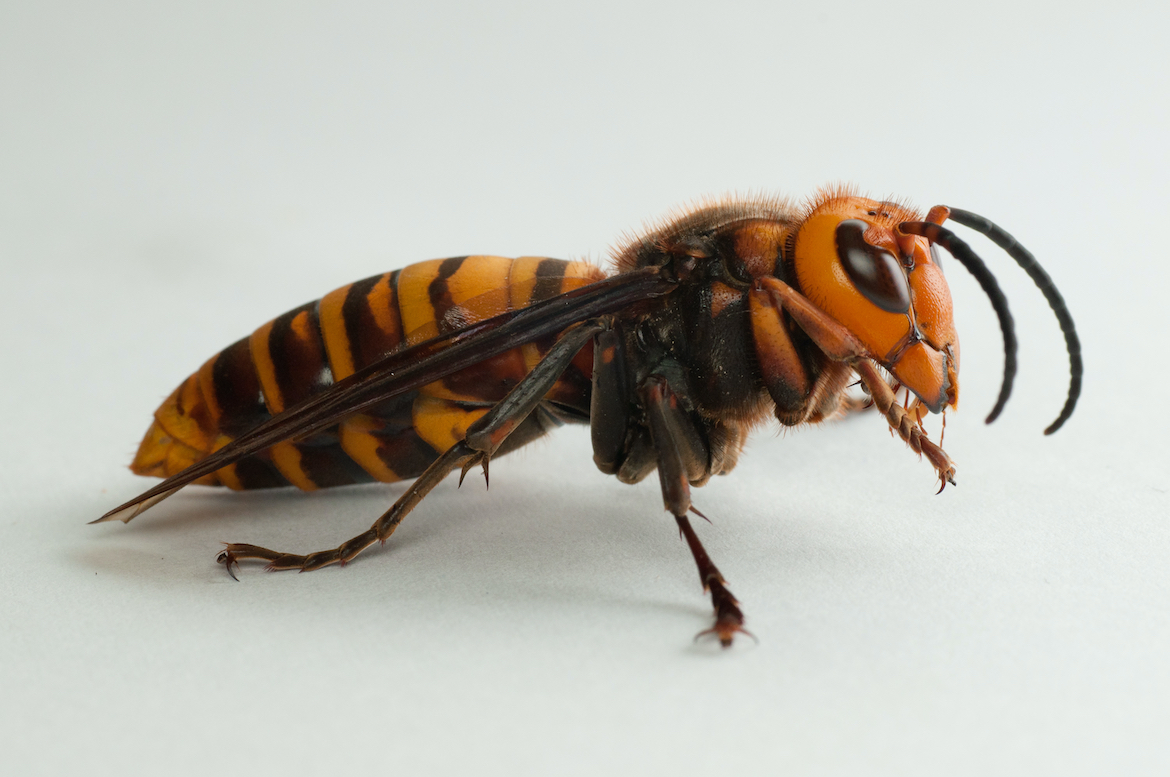
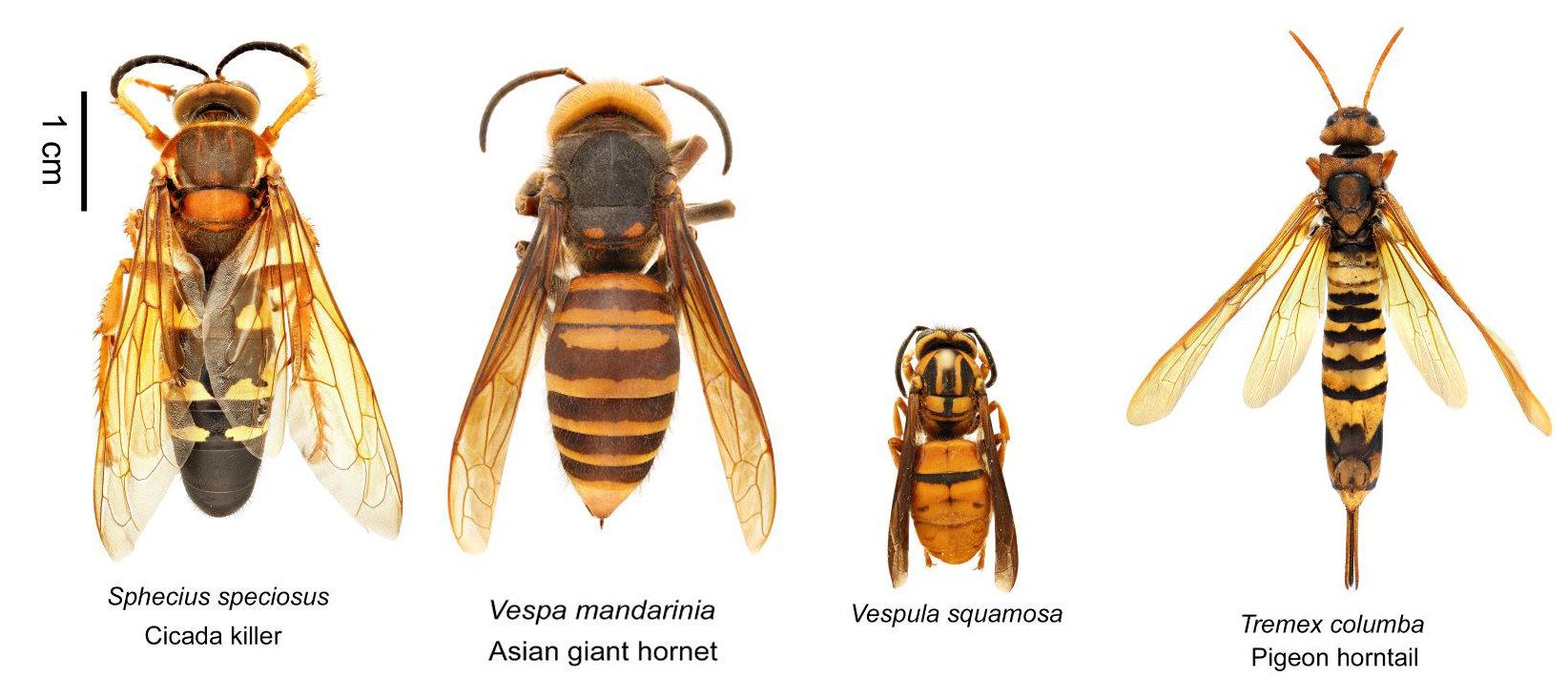
The most immediate and striking feature of the murder hornet is its colossal size. Workers, the most commonly encountered individuals, can measure up to 1.75 inches (4.4 cm) in length. Queens, who are responsible for reproduction and colony leadership, are even larger, potentially reaching over 2 inches (5 cm). To put this into perspective, this is roughly the size of a human thumb. This significant scale is a stark contrast to the much smaller common yellow jackets or European hornets, making them instantly recognizable to those familiar with local hymenoptera. This size isn’t just for show; it directly contributes to their formidable predatory capabilities.
Coloration and Markings: A Palette of Warning
The coloration of the Asian Giant Hornet is a vibrant and distinctive combination of earthy tones and bold contrasts, serving as a clear visual warning. Their bodies are primarily a rich, reddish-brown or dark orange. This rich base color is punctuated by prominent bands of bright yellow or ochre across their abdomen. These bands are not uniform; they tend to be wider and more distinct on the posterior segments of the abdomen.
The head is also a focal point. The face is typically a bright, almost neon yellow, creating a stark contrast with the darker exoskeleton of the rest of the body. Large, dark, compound eyes are a prominent feature, often appearing as deep black or dark brown. These eyes are crucial for their exceptional vision, allowing them to navigate and hunt with remarkable precision, a trait that, in the world of Tech, we might liken to advanced optical sensors.
Anatomical Features: Tools of the Trade
Beyond their overall size and color, specific anatomical features of the murder hornet are essential to understanding their appearance and functionality.
The Mandibles: Powerful Jaws
One of the most formidable aspects of the murder hornet’s anatomy is its powerful mandibles. These are the sharp, tooth-like mouthparts located at the front of their head. The mandibles of the Asian Giant Hornet are significantly larger and more robust than those of smaller wasps. They are dark, serrated, and designed for powerful crushing and cutting. These are the primary tools used for dismembering prey, particularly their favorite target: honeybees. The sheer strength of these mandibles is a testament to their predatory prowess.
The Stinger: A Potent Weapon
The stinger of the murder hornet is another key physical characteristic that contributes to its intimidating reputation. While many wasps have stingers, the Asian Giant Hornet’s is exceptionally long, measuring up to 0.25 inches (6 mm). Furthermore, it is connected to a venom gland that produces a potent venom. Unlike some bees, hornets can sting multiple times, and their sting is known to be intensely painful. The venom itself contains enzymes that break down tissue, contributing to the severe pain and swelling experienced by victims. This potent biological weapon is a significant factor in their “murder” moniker.
Wings and Flight: Agile Predators
Their wings, though sometimes obscured by their bulky bodies, are functional and efficient. They are translucent with a smoky or brownish tint. When in flight, their large size and powerful musculature allow for surprisingly agile maneuverability, enabling them to pursue prey effectively and navigate their environment with speed and purpose. This capability, in a Tech context, might be compared to the efficiency of advanced drone technology.
Differentiating Murder Hornets: What to Look For
Given their striking appearance, distinguishing a murder hornet from other large wasps and hornets is paramount for accurate identification. While their size is a significant indicator, other details can further solidify identification.
Comparing with Other Hornet Species
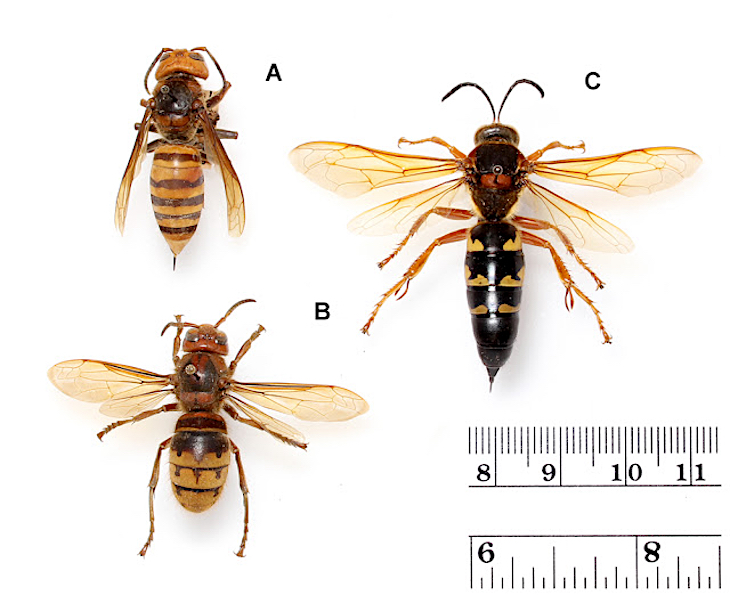
The most common point of confusion arises with the European hornet (Vespa crabro), which is also a relatively large insect found in North America. However, the Asian Giant Hornet is noticeably larger. The European hornet’s coloration is typically more yellow and black, with less of the reddish-brown prominent in the murder hornet. The head of the European hornet is generally more yellow, while the murder hornet’s head is a striking bright yellow.
Other large wasps, such as the cicada killer wasp, might also be mistaken for murder hornets. However, cicada killers are solitary wasps and typically have a much more slender, black and yellow striped abdomen, lacking the robust, reddish-brown body of the Asian Giant Hornet. Understanding these subtle differences is crucial for accurate reporting and management efforts. This meticulous attention to detail echoes the importance of precise data analysis in Tech and the careful crafting of a distinct Brand identity.
The Importance of Location and Habitat
While physical appearance is the primary identifier, the location where one encounters a large hornet can also be a clue. The Asian Giant Hornet is native to Asia but has established a presence in parts of North America, specifically in Washington state and British Columbia, Canada. If you are outside of these known invasive zones, it is far less likely that you are encountering a murder hornet. This geographical context is akin to understanding market segmentation in Brand strategy – knowing your audience and where they are.
The Impact and Perception: Beyond the Appearance
The striking visual of the murder hornet has undeniably fueled public fascination and fear. This perception, however, is a complex interplay of their actual biological capabilities and the narrative that has surrounded them.
Predatory Nature: A Threat to Bee Populations
The most significant ecological impact of the murder hornet stems from its predatory behavior. They are voracious predators of other insects, with a particular penchant for honeybees. A small group of murder hornets can decimate an entire honeybee colony in a matter of hours through a process known as “slaughter and occupation.” They decapitate the bees, consuming the protein-rich thoraxes, and then take over the hive, consuming the honey and larvae. This has significant implications for agriculture and beekeeping, directly impacting the Money sector through the loss of pollination services and honey production.
Venom and Human Safety: A Painful Encounter
While the term “murder hornet” evokes images of deadly attacks, it’s important to contextualize the danger they pose to humans. Their sting is significantly more painful than that of common wasps, and the venom is potent. Multiple stings can be dangerous, particularly for individuals with allergies. However, they are not inherently aggressive towards humans and typically only sting when they feel their nest is threatened or when provoked. The fear surrounding their sting can sometimes overshadow the more significant ecological threat they pose to honeybee populations. Understanding the real risks versus perceived risks is vital, a lesson learned in both Tech (risk assessment for new products) and Money (investment risk).
Media Portrayal and Public Awareness
The sensationalist nature of the “murder hornet” moniker, while effective in drawing attention, can also lead to exaggerated fears and misinformation. The media’s focus on the dramatic and potentially dangerous aspects has, understandably, amplified public concern. This highlights the power of Branding and narrative. The Asian Giant Hornet, as a species, has been effectively “branded” as a terrifying menace, and this perception shapes how people react to it.
Conclusion: Recognizing and Respecting the Threat
Understanding what murder hornets look like goes beyond mere curiosity. It’s about empowering individuals with the knowledge to identify these insects accurately, report potential sightings, and appreciate the ecological challenges they present. Their imposing size, distinctive coloration, and formidable anatomical features all contribute to their formidable presence.
In a world increasingly driven by data and technology, the precise identification of invasive species like the Asian Giant Hornet is critical for effective management. This mirrors the need for accuracy in Tech development, the strategic positioning of a Brand, and the informed decisions required in managing personal and business Money. By recognizing the physical attributes of the murder hornet, we can move beyond sensationalism and engage with the issue in a more informed and proactive manner, ultimately protecting both our ecosystems and our livelihoods.
aViewFromTheCave is a participant in the Amazon Services LLC Associates Program, an affiliate advertising program designed to provide a means for sites to earn advertising fees by advertising and linking to Amazon.com. Amazon, the Amazon logo, AmazonSupply, and the AmazonSupply logo are trademarks of Amazon.com, Inc. or its affiliates. As an Amazon Associate we earn affiliate commissions from qualifying purchases.