
In the world of construction, engineering, and home improvement, precision is the currency of success. Professionals often rely on tools that appear straightforward at a glance, yet hide sophisticated design features intended to streamline complex workflows. Among the most overlooked but functionally significant markers on a standard professional tape measure is the black diamond—a small, diamond-shaped symbol usually found every 19.2 inches. While casual DIYers often disregard it as a printing error or an obscure manufacturer’s mark, this symbol represents a calculated engineering standard essential for structural efficiency.
Understanding this marking requires stepping away from the surface-level utility of the tape measure and into the strategic design of modern framing. By leveraging these indicators, contractors can enhance the structural integrity of a building while simultaneously reducing material waste and optimizing labor hours.

The Engineering Logic Behind the 19.2-Inch Interval
The black diamond symbol is specifically calibrated to denote the “five-layout” or “on-center” spacing for floor joists. In North American residential construction, the standard practice for spacing studs and joists is typically 16 inches on-center. This configuration aligns perfectly with the standard dimensions of plywood and oriented strand board (OSB) sheeting, which come in 4-foot by 8-foot (48-inch by 96-inch) dimensions.
However, the 19.2-inch layout—marked by the black diamond—offers a different structural equation. If you place a structural member every 19.2 inches, five of those members will span exactly 96 inches (8 feet).
Structural Efficiency and Material Optimization
The primary goal of the 19.2-inch spacing is to reduce the number of framing members required for a given span without compromising the load-bearing capacity of the floor or wall system. By moving from 16-inch spacing to 19.2-inch spacing, a builder effectively removes one joist for every five that would otherwise be required. While this might seem like a negligible difference in a small room, over the course of a large-scale commercial project or an entire residential development, the reduction in lumber volume is substantial.
Balancing Strength and Load Distribution
One might question whether increasing the distance between supports weakens the structure. The 19.2-inch interval is a “sweet spot” in structural engineering. It provides sufficient support to meet building codes for specific floor loads while remaining within the limits of the structural sheathing’s span capacity. When builders utilize the black diamond marks, they are effectively following an optimized framing pattern that maintains compliance with safety regulations while maximizing the budget by minimizing the “board feet” of lumber used.
Integrating the Black Diamond into Professional Workflow
For a general contractor or framer, the black diamond is more than just a measurement aid; it is a labor-saving device that eliminates the need for redundant arithmetic. In the field, time is equivalent to overhead. The ability to pull a tape and immediately identify the correct placement for the next structural component significantly speeds up the layout phase.
The Role of Rapid Layout
When a framer lays out a floor deck, they start at one end and mark the locations for the joists. If they are utilizing 19.2-inch spacing, the black diamonds on the tape measure act as pre-calculated coordinates. This removes the risk of cumulative calculation errors. If a worker were to add 19.2 inches manually for every joist, a rounding error could snowball across the span of the building, leading to joists that do not align correctly with the edges of the subfloor sheathing.
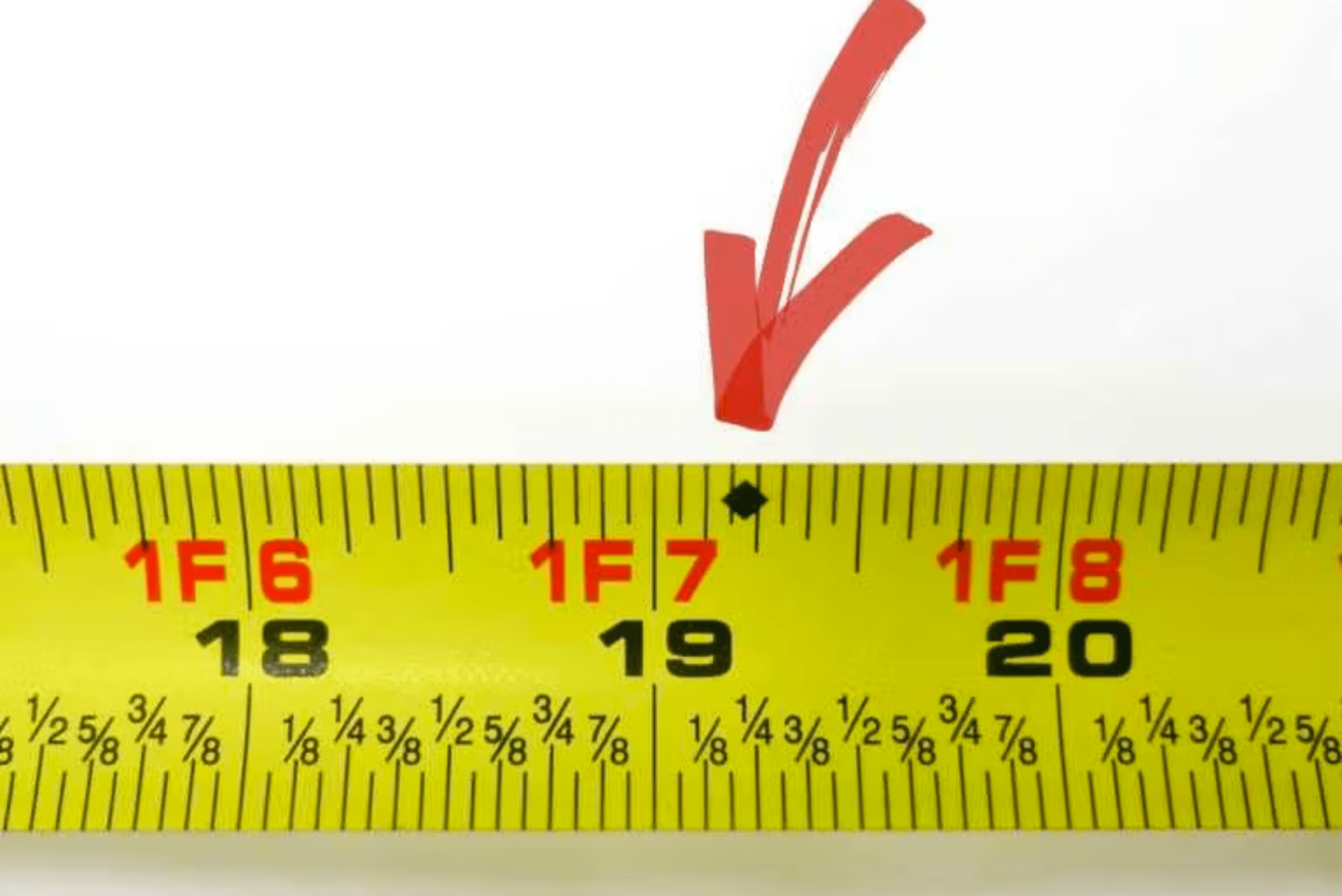
By utilizing the factory-printed indicators, the worker ensures that the fifth joist lands exactly on the 96-inch mark, which is the precise edge of a standard sheet of subflooring. This alignment is critical because it ensures that the ends of the flooring sheets are supported by a joist, creating a stable, squeak-free connection.
Precision in the Digital Age of Construction
Even as the industry adopts sophisticated software for Building Information Modeling (BIM) and digital layout tools, the tape measure remains the primary instrument of the frontline worker. The black diamond is an example of “analog UX”—a user-experience feature embedded directly into a hardware tool. By understanding this mark, professionals can verify digital plans against the physical reality of the site, ensuring that the structural design remains consistent from the screen to the studs.
Broader Implications: Sustainability and Cost Management
Beyond the immediate mechanics of the job site, the black diamond represents a broader movement toward sustainability and cost-effective design. In an era where lumber prices fluctuate and environmental impact is a primary concern for developers, the ability to frame effectively with fewer resources is a competitive advantage.
Reducing the Environmental Footprint
Every stick of timber used in a structure carries an environmental cost. By utilizing framing techniques like the 19.2-inch on-center layout, contractors can reduce the total volume of wood consumed in a build. While one joist per bay may seem small, in a multi-unit apartment complex, the cumulative reduction in raw materials can be massive. This optimization is a practical application of “lean construction” principles, which aim to maximize value and minimize waste at every stage of the building process.
Financial Efficiency for the Modern Contractor
From a business finance perspective, the black diamond serves as a reminder that expertise lies in the details. A contractor who understands the purpose of every mark on their tape measure is a contractor who wastes less time and fewer materials. This efficiency translates directly into lower bids and higher profit margins. Clients are increasingly looking for builders who demonstrate this level of technical proficiency, as it implies a job site managed with foresight and respect for the budget.
The Evolution of Measurement Tools
The inclusion of the black diamond—alongside other markings like the red numbers for 16-inch stud spacing—illustrates the evolution of the tape measure from a simple length-finding device into a comprehensive layout tool. Modern tape measures are essentially calculators held in the palm of your hand.
Why These Marks Matter
For the apprentice or the seasoned veteran, recognizing the importance of these standard markings changes the way one approaches a project. It shifts the perspective from merely measuring “how long something is” to “where something belongs.” This conceptual shift is fundamental to high-quality craftsmanship.

Best Practices for Field Application
To get the most out of these tools, professionals should:
- Verify the Layout Plan: Always confirm with structural engineers or site foremen whether the 19.2-inch spacing is the approved layout for the specific load requirements of the project.
- Align from the Correct Datum: Ensure the tape is hooked to the correct starting edge (the “zero” point) to avoid the layout shifting by the thickness of the blade or the width of the joist itself.
- Use the Marking in Concert with Other Indicators: Utilize the black diamonds for joists alongside standard 16-inch markers for wall studs, ensuring that all components are placed according to the specific structural demands of the architectural blueprint.
In conclusion, the black diamond on a tape measure is a small, quiet feature that speaks volumes about the sophistication of modern construction. It is a bridge between the precision of engineering and the physical reality of the job site. By mastering these small indicators, professionals ensure that their work is not only compliant and safe but also optimized for efficiency and long-term sustainability. The next time you pull your tape measure, look for that symbol—it is not just a mark, but a roadmap for smarter building.
aViewFromTheCave is a participant in the Amazon Services LLC Associates Program, an affiliate advertising program designed to provide a means for sites to earn advertising fees by advertising and linking to Amazon.com. Amazon, the Amazon logo, AmazonSupply, and the AmazonSupply logo are trademarks of Amazon.com, Inc. or its affiliates. As an Amazon Associate we earn affiliate commissions from qualifying purchases.