
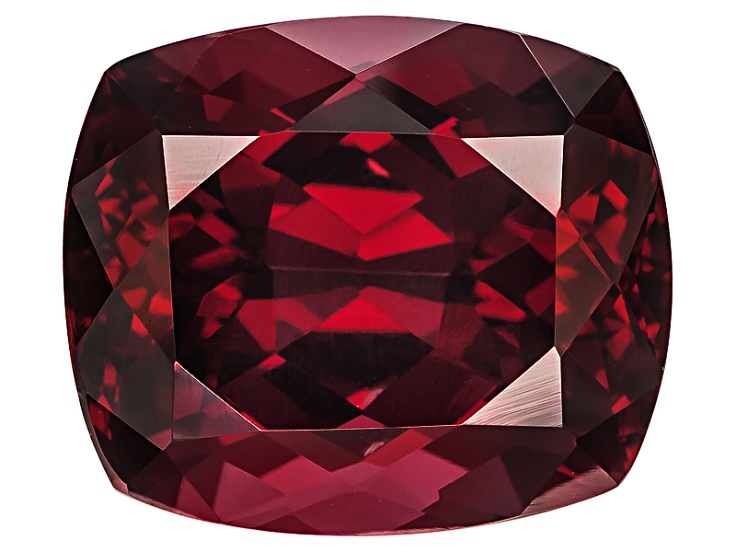
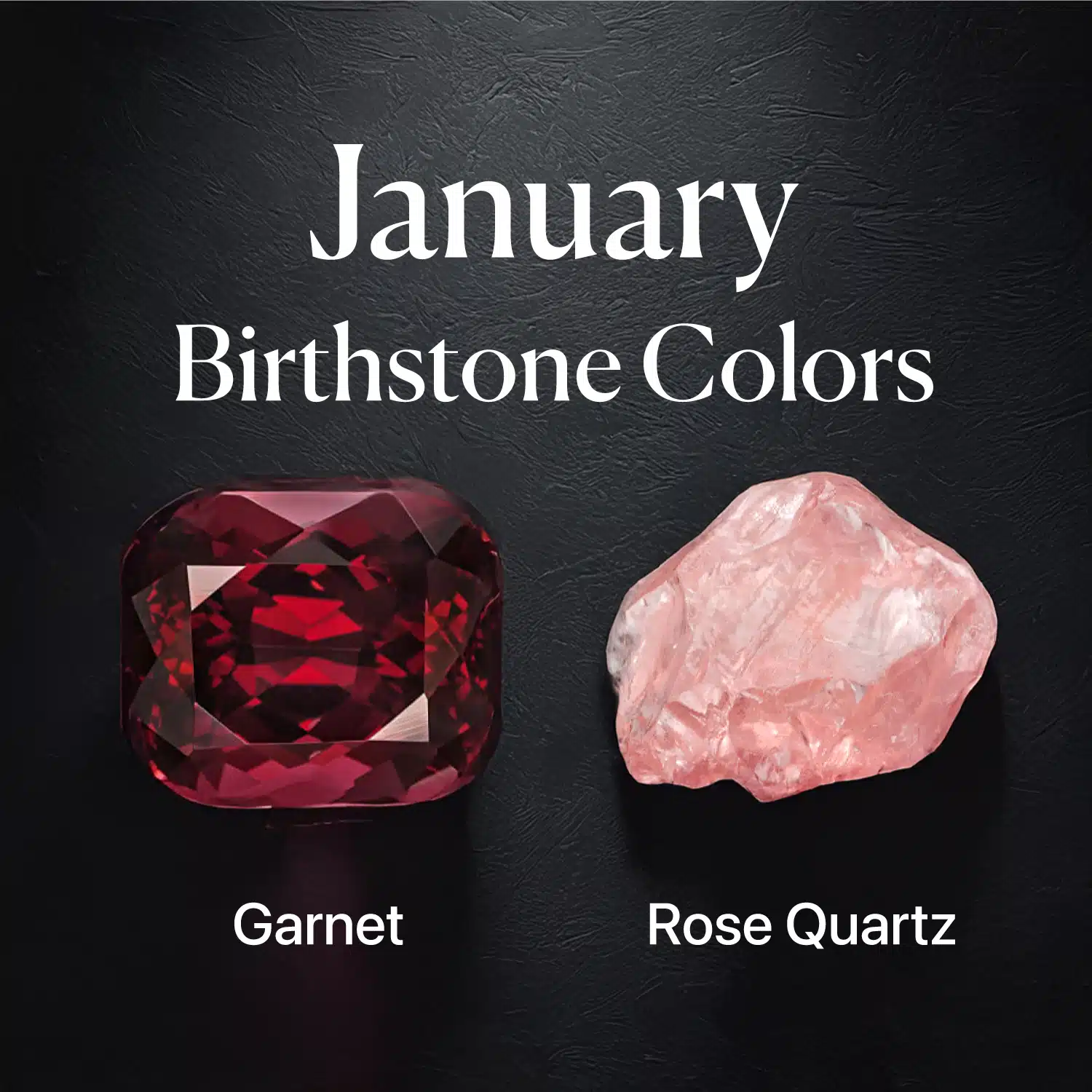
The birthstone for those born in January is the garnet, a gemstone that has captivated human interest for millennia. Beyond its deep, signature crimson hue, the garnet represents a fascinating intersection of geological rarity, historical significance, and modern market valuation. For investors, collectors, and those interested in the precious stone market, understanding the garnet is an exercise in appreciating an asset that defies the narrow definition of “precious” gems. While diamonds, rubies, and emeralds often capture the lion’s share of financial media attention, the garnet occupies a unique niche that offers distinct advantages for those looking to diversify their portfolios or understand the mechanics of gemstone commerce.
The Economic Profile of the Garnet
When discussing birthstones in a financial context, it is essential to distinguish between commercial-grade gemstones and investment-grade specimens. The garnet is not a single mineral but a group of silicate minerals that share a common crystal structure but vary in chemical composition. This chemical diversity is what dictates the market value of the stone.
Understanding Market Segmentation
The garnet market is segmented into several primary varieties, the most famous being the Pyrope and Almandine, which provide the deep red colors most commonly associated with January. However, for investors, the focus often shifts toward the rarer varieties:
- Demantoid Garnet: Known for its brilliant green hue and “horsetail” inclusions, this variety is highly sought after by collectors and often commands prices per carat that rival high-end emeralds.
- Tsavorite Garnet: A vivid green variety discovered relatively recently in the late 1960s. Because its supply is geographically limited to East Africa, Tsavorite has seen consistent appreciation, making it a favorite for those looking for growth in colored gemstones.
- Spessartine Garnet: Often referred to as “Mandarin” garnet, these stones range from bright orange to red-orange. Their scarcity in fine quality ensures they remain a high-value asset.
Liquidity and Asset Preservation
Unlike fiat currency or equities, gemstones are tangible assets. They provide a hedge against inflation—a traditional “store of value.” However, the liquidity of a garnet depends heavily on certification. Stones certified by reputable laboratories (such as GIA or Gübelin) trade at a significant premium. For an investor, the cost of acquisition includes not just the stone, but the “paperwork” that proves its origin, heat treatment status (or lack thereof), and clarity. Without certification, a garnet is a decorative item; with it, it becomes a documented financial asset.
Strategic Acquisition and Investment Considerations
Entering the gemstone market requires a shift in mindset from traditional stock market investing. You are not buying a liquid ticker symbol; you are buying a physical commodity with finite supply constraints.
The Role of Provenance and Rarity
In the current financial climate, where alternative assets are gaining traction, the provenance of a gemstone adds a premium to its value. A Tsavorite garnet mined from a specific, now-depleted vein in Tanzania may hold more value to a collector than a newer, similar-looking stone. Investors must prioritize “Fine Quality” over “Carat Weight.” A small, perfectly clean, high-saturation garnet will almost always outperform a large, included, or dull stone in the secondary market.
Valuation Metrics
Valuing a garnet for investment purposes follows the “Four Cs” model, but with distinct nuances for colored stones:
- Color: This is the primary driver of value. For the January garnet, the depth, tone, and saturation must be exceptional. Overly dark stones that appear black in low light are significantly less valuable.
- Clarity: Garnets are typically cleaner than other colored stones like emeralds, so inclusions are generally frowned upon unless they are the specific “horsetail” inclusions that characterize a Demantoid.
- Cut: A precision-cut stone maximizes the light performance and brilliance. A poor cut can reduce the potential value of the rough material by 50% or more.
- Carat Weight: As size increases, the price per carat increases exponentially for top-tier specimens.
The Gemstone Market as a Portfolio Diversifier
In a well-balanced financial strategy, gemstones like the January birthstone are classified as “Alternative Investments.” They share characteristics with fine art, classic cars, and rare coins.
Correlation with Traditional Markets
One of the most compelling arguments for including high-end garnets in a portfolio is their low correlation with traditional financial markets. When the equity markets face volatility due to geopolitical tensions or interest rate shifts, the price of rare, high-quality gemstones often remains stable or increases. Because the supply of rare, untreated garnets is physically limited—and effectively decreasing as mines reach maturity—they represent a long-term play on scarcity.
Risks and Barriers to Entry
It would be remiss to ignore the risks. The gemstone market is opaque and lacks the transparent pricing of a public exchange. Buy-sell spreads can be substantial, meaning an investor may need a long time horizon—often 5 to 10 years—to see a return on investment that accounts for the initial retail markup. Furthermore, storage, insurance, and the physical security of the asset are “carrying costs” that must be factored into the total return on investment.
Trends in Modern Luxury and Corporate Branding
Beyond personal finance, the garnet has experienced a resurgence in the luxury branding sector. Jewelry houses are increasingly focusing on “Origin Marketing,” where the story of the stone—its geological journey from the earth to the atelier—is used to justify premium pricing.
The Influence of Sustainability
Modern consumers and high-net-worth individuals are prioritizing ethical sourcing. For the garnet industry, this has led to a shift toward transparent supply chains. Brands that can prove their garnets were mined under fair labor conditions and with minimal environmental impact are seeing increased demand. From a business strategy perspective, companies that integrate this level of traceability into their brand identity are successfully capturing the “conscious consumer” demographic.
Investment in Digital Provenance
We are currently witnessing the intersection of traditional gemology and blockchain technology. Digital certificates of authenticity, stored on an immutable ledger, are becoming the industry standard. For an investor, this means that the “paperwork” that once lived in a physical safe can now be verified instantly via a digital hash. This innovation is lowering the barrier to entry and increasing the overall trust in the secondary market for colored stones.

Conclusion: The Garnet as a Financial Asset
The January birthstone, the garnet, is far more than a decorative adornment for a birthday gift. When viewed through the lens of a sophisticated financial strategy, it represents a tangible, portable, and potentially high-growth asset. Its diverse varieties—from the accessible deep reds of the Pyrope to the high-value, investment-grade Tsavorites—allow for tiered entry points depending on one’s risk appetite and capital allocation.
However, success in this market requires deep domain knowledge. The investor must move past the birthstone mythos and into the technical reality of mineralogy and market economics. By focusing on certification, provenance, and the inherent rarity of specific varieties, the garnet can serve as a potent tool for diversification in an increasingly unpredictable economic landscape. Whether one is looking to store wealth in a physical form or seeking to capitalize on the increasing scarcity of high-quality natural minerals, the garnet remains a cornerstone of the colored gemstone investment world, proving that beauty and financial utility are not mutually exclusive.
aViewFromTheCave is a participant in the Amazon Services LLC Associates Program, an affiliate advertising program designed to provide a means for sites to earn advertising fees by advertising and linking to Amazon.com. Amazon, the Amazon logo, AmazonSupply, and the AmazonSupply logo are trademarks of Amazon.com, Inc. or its affiliates. As an Amazon Associate we earn affiliate commissions from qualifying purchases.