
In the hyper-competitive landscape of global produce retail, the “best tasting” apple is rarely a matter of objective chemistry. Instead, it is a masterclass in strategic brand positioning, consumer psychology, and supply chain excellence. When a consumer stands in the produce aisle, they are not merely selecting a piece of fruit; they are participating in a curated brand experience that dictates their perception of flavor, quality, and value.
The Architecture of Brand Perception in Produce
The apple industry has transitioned from a commodity-based market—where an apple was simply a Red Delicious or a Granny Smith—to a proprietary-led marketplace. This shift represents one of the most successful case studies in modern agricultural branding.
The Role of Intellectual Property (IP)
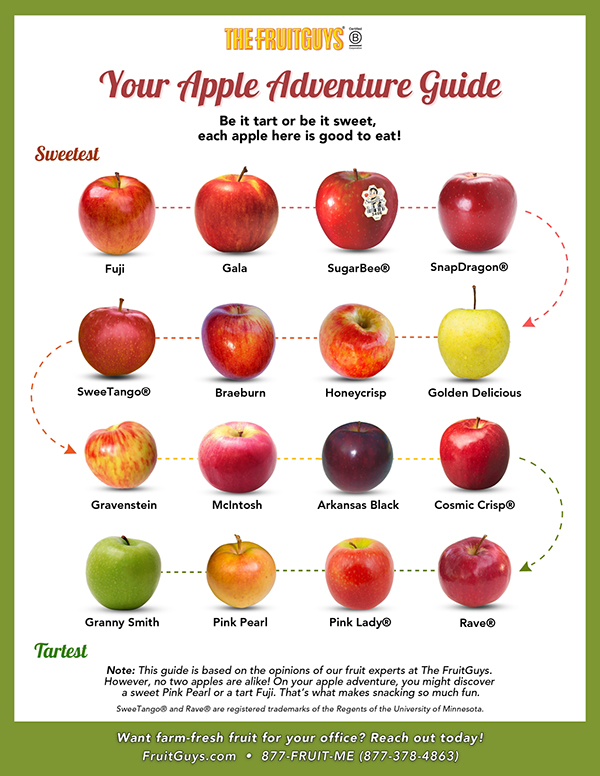
Modern “super-apples” like the Cosmic Crisp or the Honeycrisp are not just results of horticultural breeding; they are protected intellectual assets. By controlling the supply chain through licensing agreements, growers ensure that only specific orchards can produce the fruit, maintaining high price points and exclusivity. This scarcity-driven model mimics the strategies of luxury fashion houses, creating a premium brand equity that inherently influences how a consumer perceives taste. A fruit that carries the “prestige” of a proprietary label is psychologically predisposed to be perceived as better tasting than a generic, unbranded variety.
Sensory Marketing and The Halo Effect
Marketing teams utilize the “Halo Effect” to elevate the perceived flavor profile of specific apple varieties. When a brand invests in high-end photography, minimalist packaging, and emotive storytelling—emphasizing words like “crisp,” “orchard-fresh,” or “heirloom”—they prime the consumer’s palate. By the time the consumer takes the first bite, the brand has already established an expectation of excellence. This cognitive framing is arguably as significant as the sugar-to-acid ratio of the fruit itself.
Strategic Differentiation: The Honeycrisp Paradigm
To understand what makes an apple “the best,” one must analyze the disruption caused by the Honeycrisp variety. Before the Honeycrisp hit the shelves, the market was dominated by varieties bred primarily for shelf life, disease resistance, and ease of transport. Flavor was a secondary consideration.
Reframing Value Propositions
The Honeycrisp redefined the value proposition of the entire category. By prioritizing cell structure—specifically, cells that shatter rather than bruise upon biting—the breeders created a mouthfeel that consumers interpreted as superior flavor. This taught the industry a vital marketing lesson: flavor is inextricably linked to texture. Brands that focused on this sensory experience moved from being “staple food items” to “premium experiences.”
The Multi-Generational Brand Lifecycle
The success of specific varieties relies heavily on how they are marketed across different demographic segments. Younger consumers, driven by health consciousness and visual aesthetics, gravitate toward brands that promise “Instagrammable” color and clear nutritional labeling. Established brands have successfully pivoted to position their apples as health-focused snacks that fit into a modern, fast-paced lifestyle. This positioning allows the apple to compete not just with other fruits, but with processed snack brands that occupy the same “grab-and-go” consumer spend.

The Economics of Flavor: Supply Chain and Pricing
From a business perspective, the “best” apple is the one that achieves the highest margins while maintaining consumer loyalty. The supply chain acts as the backbone of this strategy.
Consistency as a Brand Pillar
One of the primary reasons consumers deem an apple “the best” is consistency. If every purchase of a Pink Lady tastes virtually the same, the brand earns the consumer’s trust. Trust is the most valuable currency in retail. Brands that invest in sophisticated sorting technology—using AI-driven optical scanners to detect internal bruising or sugar content—ensure that the customer experience is standardized. This predictability is a luxury in the agricultural sector, where environmental variability is the norm.
Premium Pricing Strategies
Premium pricing is not merely about covering the costs of R&D; it is a signal of quality to the consumer. In behavioral economics, price is a primary heuristic for quality. When a brand positions its apple at a higher price point, it signals that the product is superior. This strategy has allowed growers to move away from the “race to the bottom” pricing common in commodity produce, allowing them to reinvest in marketing, sustainable packaging, and better distribution networks.
The Future of Apple Branding: Personalization and Storytelling
As the market continues to evolve, the “best” apple will be defined by the brands that can successfully weave authenticity into their narrative.
Storytelling and Consumer Connection
In an era of skepticism, consumers are seeking deeper connections with the origins of their food. Brands that highlight the specific orchard, the farming practices, and the history of the cultivators are gaining significant market share. Transparency is the new branding frontier. By humanizing the supply chain, brands create an emotional barrier to entry for competitors. When a consumer feels a connection to the story of the fruit, their subjective rating of the taste increases.
Data-Driven Product Development
The future of the “best” apple lies in using consumer data to drive future breeding. By tracking purchasing habits, feedback loops, and social media trends, agricultural firms can now predict what flavor profiles will be popular five years from now. This is not just farming; it is product development at a scale usually reserved for the tech industry. The brands that leverage this data will be the ones that define the next generation of consumer taste preferences.

Conclusion: The Subjectivity of Success
Ultimately, the quest for the “best tasting apple” is a journey through branding, economics, and sensory experience. While the physical characteristics—brix levels, acidity, crunch—provide the foundation, it is the brand strategy that determines the outcome in the marketplace. The “best” apple is the one that successfully communicates its value, maintains its promise of consistency, and resonates with the psychological drivers of its target audience. As the industry continues to professionalize and leverage modern marketing techniques, the definition of “best” will remain as fluid as the market itself, shifting with consumer trends and the innovative branding strategies that anticipate them. Through the lens of business, the best apple is not merely a piece of fruit—it is a successful product launch that has secured a permanent spot in the consumer’s lifestyle and budget.
aViewFromTheCave is a participant in the Amazon Services LLC Associates Program, an affiliate advertising program designed to provide a means for sites to earn advertising fees by advertising and linking to Amazon.com. Amazon, the Amazon logo, AmazonSupply, and the AmazonSupply logo are trademarks of Amazon.com, Inc. or its affiliates. As an Amazon Associate we earn affiliate commissions from qualifying purchases.