
In the architecture of a brand, “stage direction” is the invisible infrastructure that guides every interaction between a company and its audience. Much like a script provides cues for actors, brand stage direction encompasses the strategic guidelines, behavioral protocols, and visual signals that dictate how a brand performs across all touchpoints. When a consumer encounters your business—whether through an advertisement, a customer service interaction, or a physical retail space—they are watching a performance. If that performance lacks direction, the brand identity fractures, leading to confusion, distrust, and eventually, irrelevance.
Mastering brand stage direction is the difference between a company that simply exists and a brand that leaves a lasting legacy. It is the deliberate choreography of every element—tone, visual hierarchy, response time, and emotional arc—that ensures the audience perceives the brand exactly as intended.
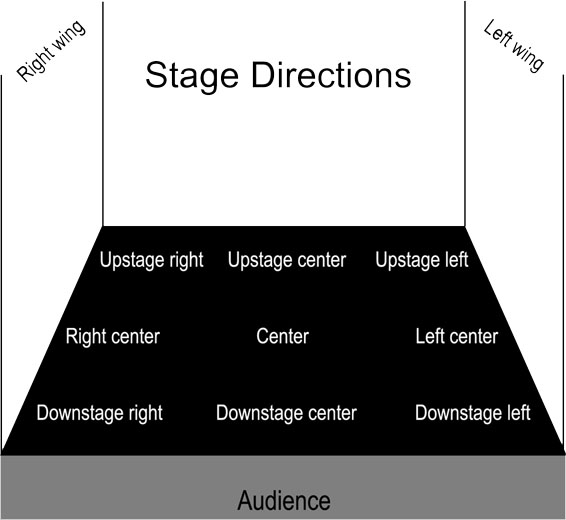
The Script: Defining Your Brand’s Strategic Narrative
Every performance requires a script. In branding, the script is your core value proposition and mission statement, but stage direction is what breathes life into those words. It is not enough to know what you stand for; you must dictate exactly how that stance is manifested in the real world.
The Role of Voice and Tone
Voice is your brand’s personality—the constant thread that runs through every communication. Tone, however, is the stage direction for that voice. It is the nuanced adjustment of your delivery based on the context of the interaction. For example, a fintech brand might maintain a professional, authoritative voice, but the stage direction tells them to shift to a warm, reassuring tone when a user reports a lost credit card.
Setting the Scene with Visual Identity
Visual assets act as the set design for your brand. Stage direction here involves the strategic application of color palettes, typography, and spacing to influence the psychological state of the consumer. A minimalist aesthetic with wide, airy whitespace serves as a directive to the user that your brand values clarity, premium quality, and ease of use. If your set design is cluttered or inconsistent with your voice, the audience experiences “cognitive dissonance,” causing them to disengage.
The Choreography of Customer Experience
The customer journey is not a static process; it is a live performance. Every click, scroll, and phone call is a scene that needs to be directed to maintain the integrity of the brand’s narrative. Effective brand stage direction ensures that the audience moves through the sales funnel with a sense of purpose and logical progression.
Mapping the Emotional Arc
Successful brands understand the emotional arc of their customers. When a potential buyer first interacts with your brand, they are often in an investigative, low-energy state. Your stage direction should dictate a welcoming, informative, and low-pressure environment. As they move toward the decision-making stage, the “performance” should shift to become more compelling and benefit-oriented. By mapping these arcs, brands can anticipate the emotional needs of their audience at every stage, ensuring the transition from prospect to advocate feels seamless and intentional.
Directing Digital Interactions
In the digital realm, stage direction takes the form of User Experience (UX) and User Interface (UI) design. Micro-interactions—such as the subtle animation of a button or the way a page transition occurs—are directives that guide the user’s focus. When a brand uses a specific sound effect or visual cue for a successful transaction, they are “directing” the user to feel a sense of satisfaction or accomplishment. These small, calculated moments are the backbone of brand loyalty.
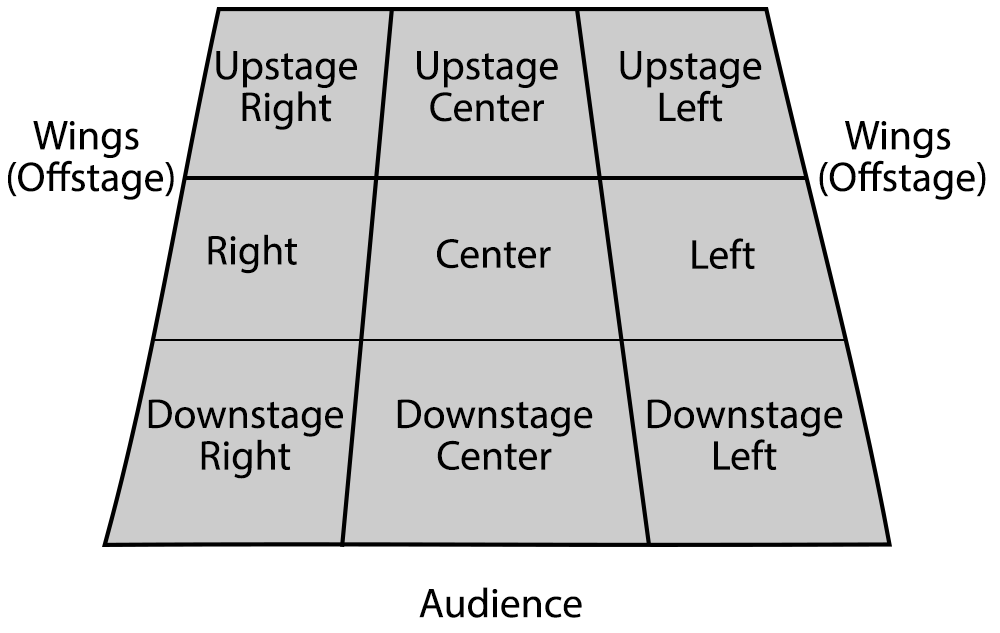
Improvisation vs. Precision: The Balance of Brand Consistency
A common mistake in brand strategy is the assumption that stage direction stifles authenticity. Many business leaders fear that if every action is scripted, the brand will feel “robotic” or “fake.” However, true brand professionals know that high-level improvisation requires deep mastery of the script.
Creating the Brand Bible
The “Brand Bible” or style guide is the master script. It provides the foundational rules, but it also provides the constraints within which your team can improvise. When employees understand the “stage direction” of the brand—the non-negotiable boundaries of behavior—they are empowered to handle unique, unplanned situations with confidence. They know how to “stay in character” because the direction is internalized.
Adapting to Cultural Contexts
While internal consistency is vital, a brand must also know how to adapt to its environment. If your brand takes its performance to a new market, you must adjust the stage direction to account for local cultural cues. This isn’t about changing your identity; it is about adjusting your delivery so that the performance resonates with the local audience. A global brand is a master of this adaptation, keeping the core script identical while adjusting the stage direction to fit the setting.
The Director’s Cut: Auditing Your Brand Performance
How do you know if your stage direction is working? You must conduct a brand audit. This involves stepping back from the day-to-day operations and viewing your brand from the audience’s perspective—the “Director’s Cut” of your company’s output.
Identifying Fragmented Touchpoints
Often, brands suffer from a “broken stage.” The website feels like one brand, the customer service email feels like another, and the social media ads feel like a third. This happens when different departments operate without unified stage direction. An audit should highlight these inconsistencies and force the alignment of all departments—from marketing and sales to product development—under a singular, cohesive directive.
The Feedback Loop
The audience is your toughest critic. Their behavior—their clicks, their complaints, their praise—provides the necessary feedback to refine your stage direction. If your analytics show that users are dropping off at a specific point in the journey, it is likely that your stage direction failed at that scene. Perhaps the CTA was too loud for the context, or the tone was too formal for the user’s current need. By analyzing these data points, you can re-direct the scene, tweak the script, and improve the performance in the next cycle.
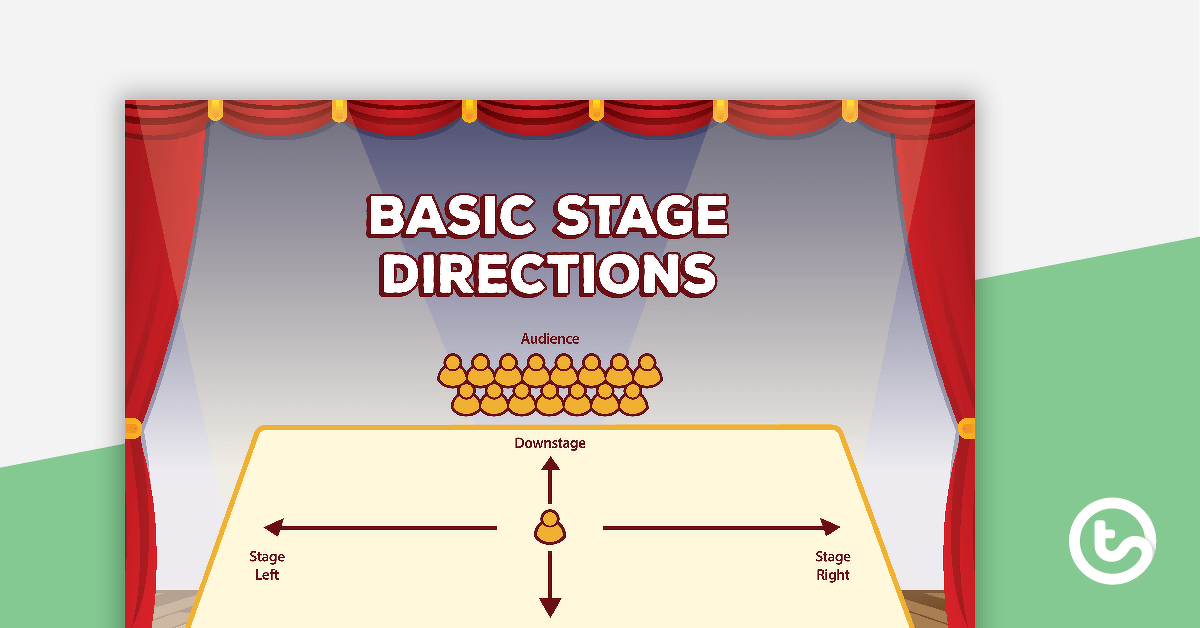
Sustaining the Performance Over Time
Brand stage direction is not a one-time project; it is a perpetual practice. As the market landscape shifts and new technologies emerge, the “set design” of your industry will change. Maintaining a strong brand requires constant iteration and the courage to rewrite sections of the script that no longer serve the audience.
In conclusion, stage direction is the bridge between intention and perception. It turns your business strategy into a tangible experience. By treating your brand as a performance that requires careful choreography, clear communication, and consistent reinforcement, you build more than just a customer base; you build a captivated audience. The companies that dominate their industries are those that have mastered the art of the performance, ensuring that no matter when or where the audience engages, the experience is unmistakably, intentionally, and uniquely theirs.
aViewFromTheCave is a participant in the Amazon Services LLC Associates Program, an affiliate advertising program designed to provide a means for sites to earn advertising fees by advertising and linking to Amazon.com. Amazon, the Amazon logo, AmazonSupply, and the AmazonSupply logo are trademarks of Amazon.com, Inc. or its affiliates. As an Amazon Associate we earn affiliate commissions from qualifying purchases.