
For the modern consumer, purchasing an airline ticket is less like buying a product and more like trading a commodity. Airfare prices are notoriously volatile, fluctuating based on complex algorithms, global economic shifts, and consumer behavior. From a personal finance perspective, mastering the timing of a flight purchase is one of the most effective ways to optimize your annual budget. Whether you are a solo traveler or managing a family’s vacation fund, understanding the financial mechanics behind ticket pricing can lead to significant savings and a higher return on your leisure investment.
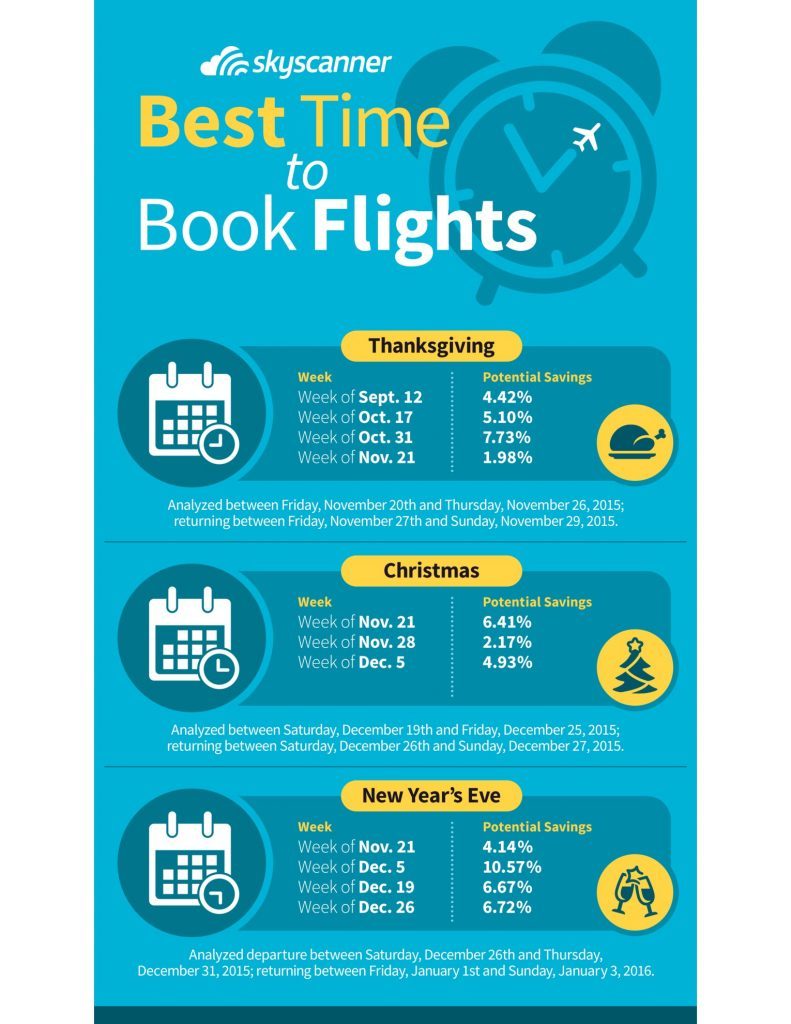
In this guide, we will analyze the best time to buy flights through the lens of financial strategy, exploring market cycles, booking windows, and the tools necessary to protect your capital.
The Macroeconomics of Airline Pricing Models
To understand when to buy, one must first understand why prices change. Airlines utilize sophisticated “Revenue Management Systems” (RMS) that adjust prices in real-time. These systems are designed to maximize the “Yield”—the average fare paid per passenger—by segmenting customers into different price sensitivity brackets.
The Principle of Fare Buckets and Inventory
Airlines do not sell every seat at the same price. Instead, they divide the cabin into “fare buckets.” For example, the first ten seats might be priced at a “loss-leader” rate to generate early cash flow. Once those are sold, the system automatically moves to the next, more expensive bucket. As a financial strategist, your goal is to enter the market when the lowest-cost buckets are still available but before the airline realizes demand is high enough to justify a price hike.
Dynamic Pricing and Market Volatility
Dynamic pricing is the reason a flight can cost $200 in the morning and $450 by evening. These shifts are often triggered by “velocity”—how quickly seats are filling up relative to historical data. If a specific route sees a sudden influx of searches or bookings, the algorithm interprets this as high demand and raises prices. Understanding this volatility is crucial; it means that the “best time” is often a reflection of market equilibrium rather than a specific day of the week.
The Strategic Booking Window: Timing Your Capital Outlay
In personal finance, timing is everything. Just as an investor looks for the right “entry point” in the stock market, a traveler must find the “Goldilocks Window”—the period where prices have stabilized at their lowest point before the inevitable surge of last-minute business travel demand.
Domestic vs. International Windows
Data from major financial travel aggregators suggests that the optimal booking window varies significantly by destination. For domestic travel, the “prime booking window” typically falls between 28 and 60 days before departure. During this period, airlines have enough data to know if the flight is underperforming and may drop prices to stimulate demand.
For international travel, the stakes are higher and the window is wider. Strategically, you should look to lock in international fares 3 to 6 months in advance. Because international routes have higher operating costs, airlines are less likely to offer deep “last-minute” discounts, as they would rather fly with an empty seat than devalue their premium brand positioning.
The Tuesday/Wednesday Myth vs. Reality
For years, a common piece of financial advice was to buy flights on a Tuesday at midnight. While this was once true due to the manual way airlines updated their databases, modern AI-driven systems have rendered this obsolete. However, while the day you buy matters less, the day you fly matters immensely. Statistically, departing on a Tuesday or Wednesday offers the best ROI, as these days see the lowest demand from both business travelers and weekend vacationers.
Leveraging Financial Tools and Credit Arbitrage
Effective travel management requires the right toolkit. Just as a trader uses a terminal, a savvy traveler uses financial technology (FinTech) and credit instruments to lower their effective cost of travel.

Price Tracking and Predictive Analytics
Tools like Google Flights, Hopper, and Kayak are essentially financial forecasting instruments. By setting price alerts, you are effectively “limit ordering” your travel. Instead of checking prices daily—which can lead to emotional decision-making—you allow the technology to notify you when the price hits your target “buy” zone. This disciplined approach prevents “fomo-booking” (fear of missing out) and ensures you are buying during a genuine market dip.
Credit Card Rewards and Point Valuations
From a wealth-management perspective, airline miles and credit card points should be treated as a secondary currency. The “best time to buy” might actually be when you can achieve a high “Cent Per Point” (CPP) value.
For instance, if a flight costs $1,000 or 50,000 miles, you are getting 2 cents per mile—a solid return. If the cash price spikes to $1,500 but the mileage cost remains 50,000, your points have effectively increased in purchasing power. Learning to arbitrage between cash and points allows you to bypass the volatility of the cash market entirely.
Seasonal Market Volatility and Travel Arbitrage
Markets move in cycles, and the travel industry is the ultimate seasonal market. To maximize your personal finance goals, you must learn to identify “dead zones”—periods of low demand where airlines are forced to cut prices to maintain cash flow.
The “Dead Zone” Strategy
In the world of travel finance, the weeks immediately following major holidays (such as the first two weeks of January or the period following Labor Day) are known as dead zones. During these periods, consumer spending is low, and credit card debt is often at its peak, leading to a sharp decline in travel bookings. For the liquid traveler, this is the ultimate buying opportunity. You can often secure premium cabin seats for the price of an economy ticket during these lulls.
Shoulder Season Benefits
The “Shoulder Season”—the period between peak and off-peak—offers the best balance of value and experience. Investing in a trip during late spring or early autumn often results in a 30-40% reduction in costs compared to mid-summer. In financial terms, this is an optimization of the “Utility-to-Cost” ratio. You are receiving nearly identical utility (weather, attractions) for a fraction of the capital outlay.
Risk Management: Flexibility and the Cost of Procrastination
Every financial decision involves a trade-off between risk and reward. When booking flights, the primary risk is “non-refundability.”
The Cost of Flexibility
Often, the cheapest tickets are “Basic Economy,” which offer no flexibility. From a risk management standpoint, this can be a poor investment if there is a high probability of your plans changing. Spending an extra 10-15% for a “Main Cabin” fare that allows for changes or flight credits is essentially an insurance premium. It protects your principal investment (the ticket price) from being lost entirely due to unforeseen circumstances.
The Dangers of Last-Minute Speculation
Some travelers wait until the very last minute, hoping for a “distressed inventory” sale. While this occasionally works for cruises or all-inclusive resorts, it is a high-risk strategy for airlines. Because business travelers are willing to pay exorbitant rates for last-minute flights, airlines have no incentive to drop prices in the final 14 days before departure. In fact, prices typically skyrocket. In the context of personal finance, speculation is not a strategy; disciplined, data-driven booking is.
Conclusion: Developing a Wealth-Focused Travel Strategy
Determining the best time to buy flights is not about luck; it is about understanding the financial ecosystem of the aviation industry. By treating airfare as a volatile asset, you can apply the same principles of disciplined investing to your travel budget.
To summarize the strategic approach:
- Monitor the Market: Use predictive tools to identify the “Goldilocks Window” (1-2 months for domestic, 3-6 months for international).
- Optimize the Schedule: Fly on low-demand days (Tuesday/Wednesday) to maximize your budget.
- Utilize Financial Arbitrage: Use credit card points when cash prices are high to protect your liquidity.
- Buy During Dead Zones: Target periods of low consumer confidence to find the best deals.
By shifting your perspective from “buying a ticket” to “executing a strategic financial transaction,” you can significantly reduce your travel expenses while maintaining, or even elevating, your standard of travel. In the long run, the thousands of dollars saved through smart flight timing can be redirected into your investment portfolio, making travel not just a luxury, but a sustainable part of your financial life.
aViewFromTheCave is a participant in the Amazon Services LLC Associates Program, an affiliate advertising program designed to provide a means for sites to earn advertising fees by advertising and linking to Amazon.com. Amazon, the Amazon logo, AmazonSupply, and the AmazonSupply logo are trademarks of Amazon.com, Inc. or its affiliates. As an Amazon Associate we earn affiliate commissions from qualifying purchases.