
San Francisco, a city defined by its rolling hills, iconic landmarks, and a dense, high-stakes urban environment, presents a complex landscape when it comes to geography and logistics. If you are researching “what is San Francisco zip code,” you quickly realize that there isn’t just one answer. For businesses, logistics companies, and financial analysts, understanding the specific zip code map of San Francisco is essential for everything from optimizing supply chain routes to assessing local economic viability for market expansion.
The Geography of San Francisco Zip Codes
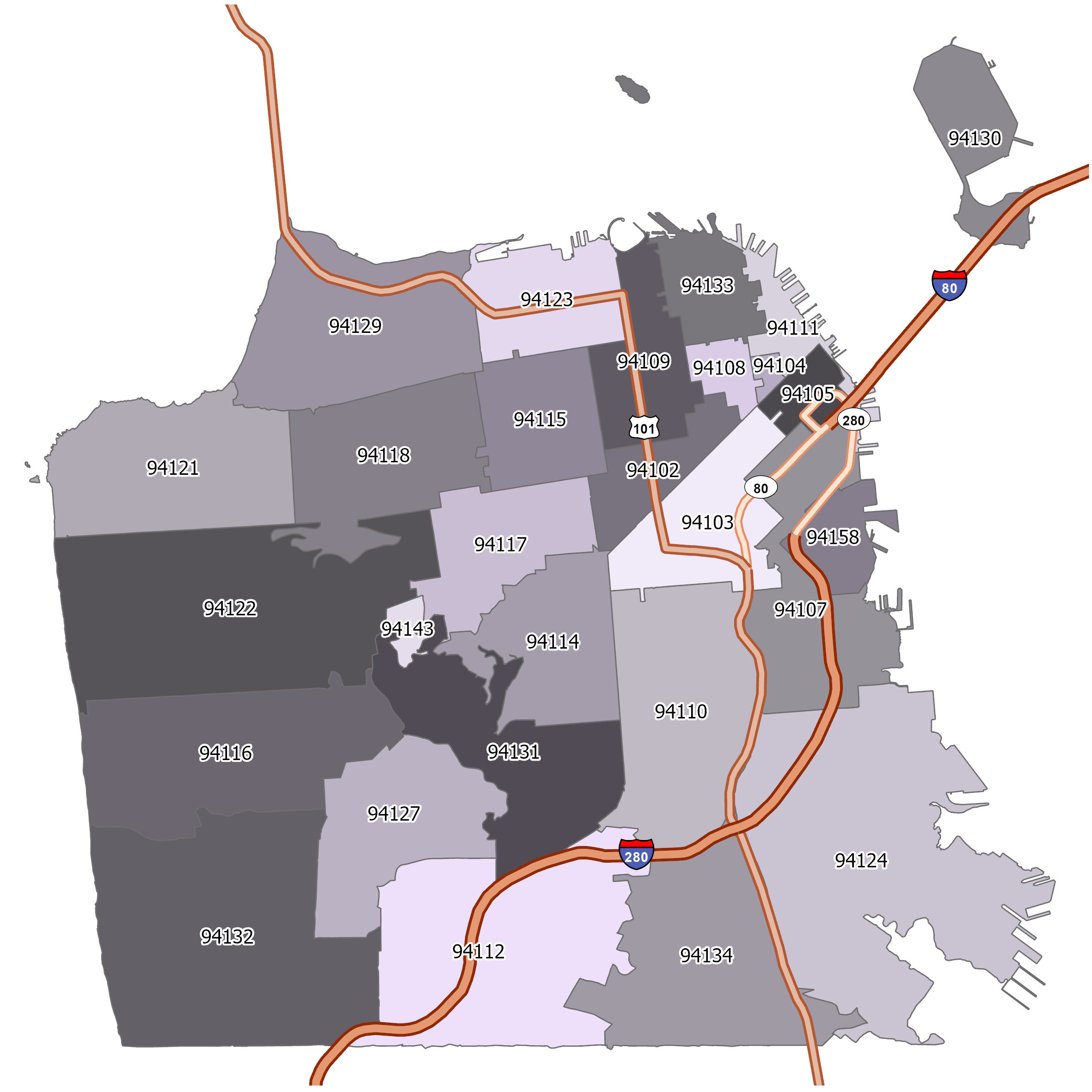
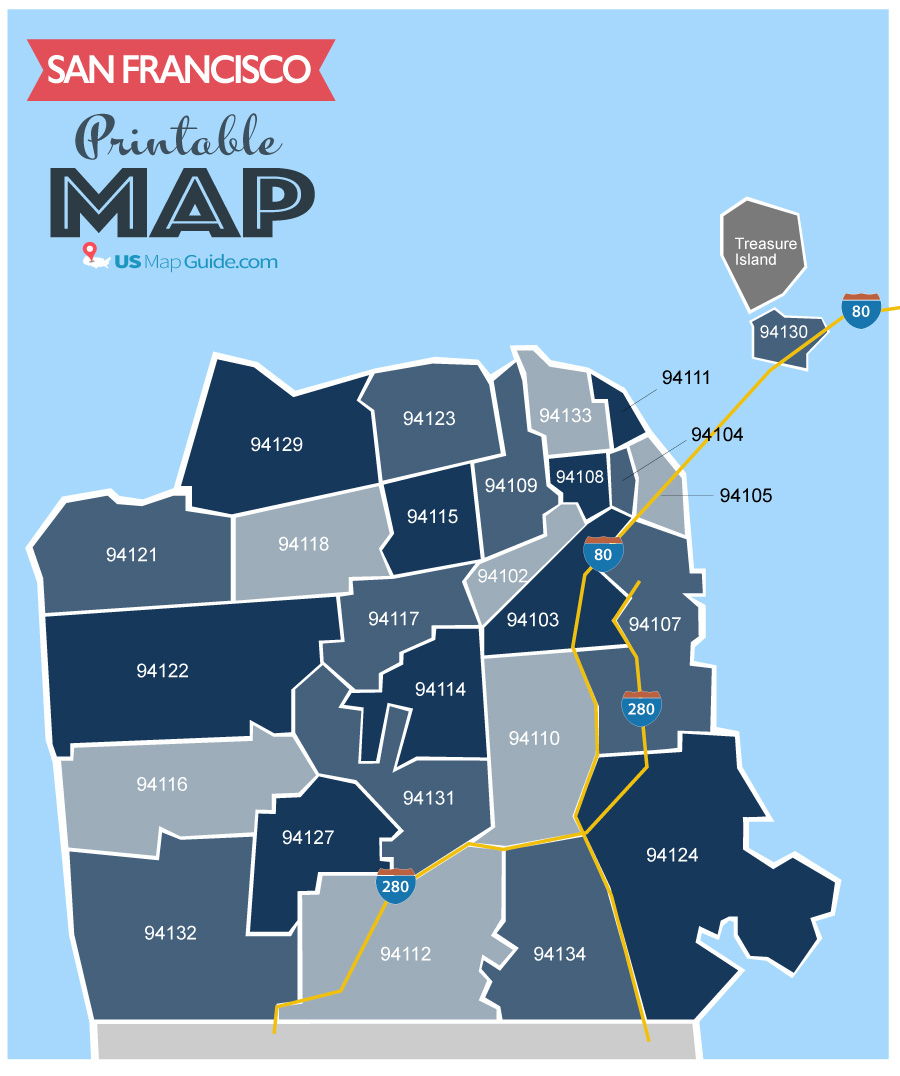
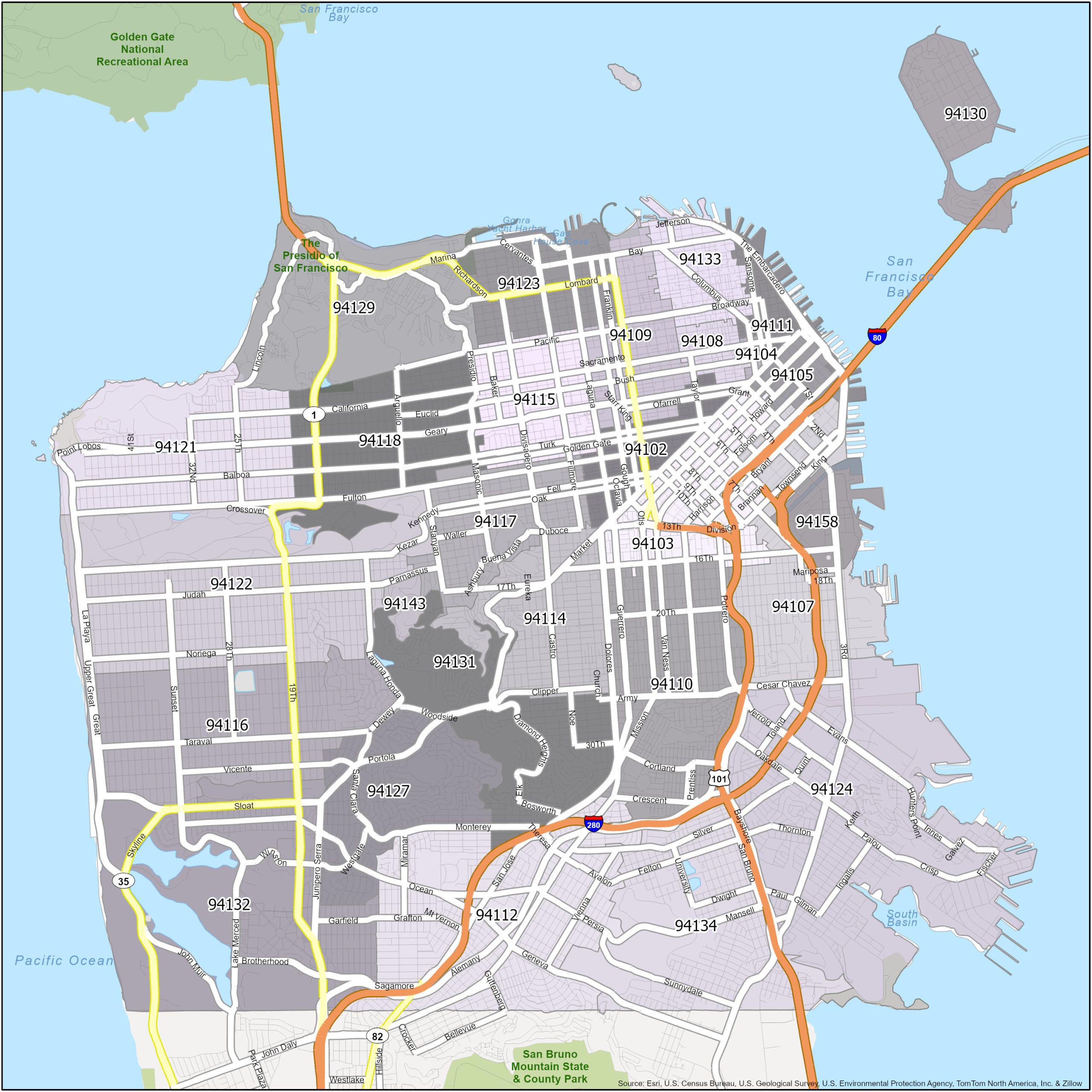
Unlike suburban or rural areas where a single zip code might cover an entire small town, San Francisco’s high population density necessitates a granular approach. The city is segmented into a precise grid of zip codes, typically beginning with the prefix “941.” There are approximately 27 unique zip codes within the city limits of San Francisco, each representing specific neighborhoods and demographics that are critical for targeted business operations.
Understanding the 941 Series
The “941” prefix serves as the primary identifier for San Francisco postal addresses. Within this series, the trailing two digits dictate the specific district. For example, 94102 covers the Tenderloin and parts of Hayes Valley, while 94110 encompasses the vibrant Mission District. From a logistics perspective, this distinction is vital. A courier service operating in 94105 (the Financial District) faces vastly different traffic patterns, parking constraints, and delivery volume compared to a service operating in 94122 (the Sunset District).
High-Density vs. Low-Density Zips
When analyzing these zip codes for business logistics, one must distinguish between high-density commercial zones and primarily residential zones. The downtown zip codes, such as 94104 and 94105, are characterized by high-rise commercial occupancy. Here, the challenge is vertical delivery—navigating freight elevators and secure lobby protocols. In contrast, residential-heavy zip codes like 94116 or 94132 require last-mile delivery strategies focused on neighborhood navigability and residential drop-off windows.
Economic Implications of Zip Code Segmentation
For businesses and investors, a zip code is far more than a mailing address; it is a data point that reveals the economic pulse of a neighborhood. Marketing teams and financial analysts use zip code data to create demographic profiles, calculate average household income, and determine the viability of brick-and-mortar investments.
Market Analysis and Consumer Profiling
If you are considering opening a new retail outlet or launching a localized digital marketing campaign, the zip code is your most important tool for segmentation. Data providers often aggregate census information by zip code, allowing companies to see where specific consumer behaviors are concentrated. For instance, a luxury brand might prioritize advertising in 94115 (Pacific Heights) due to its high concentration of wealth, whereas a tech-focused startup might look to the 94107 zip code (SoMa/South Beach) because of its proximity to major software companies and a younger, tech-savvy demographic.
Real Estate and Commercial Viability
The cost of doing business in San Francisco varies wildly from one zip code to the next. Commercial rent in 94103—which sits at the heart of the tech corridor—is fundamentally different from rent in 94134 (Visitacion Valley). Investors use zip code-based data to assess the “cap rate” or capitalization rate of properties, helping them decide whether to acquire, develop, or divest. Understanding these boundaries allows for a more accurate assessment of property tax implications, local zoning ordinances, and regional business incentives provided by the city.
Logistics and Operational Efficiency
In the world of e-commerce and fast-paced delivery services, the precision of a zip code is the foundation of profitability. The “last mile” is famously the most expensive leg of the supply chain, and in a city as geographically constrained as San Francisco, efficiency is a game of millimeters.
Optimizing Last-Mile Delivery
Logistics software utilizes zip code boundaries to define delivery zones. By assigning specific courier routes based on these zip codes, companies minimize “deadhead” miles—the time spent driving without a package or between stops. In San Francisco, where topography (steep hills) and traffic (congestion) play significant roles, routing software must account for zip code-specific constraints. For example, delivering in the densely packed 94133 (North Beach/Chinatown) requires a different vehicle type and strategy than the more accessible, grid-like streets of the Richmond District.
Digital Security and Fraud Prevention
Zip codes play a surprisingly major role in digital security and payment processing. Financial institutions and e-commerce platforms utilize Address Verification Systems (AVS) to cross-reference a customer’s billing zip code with the records held by their credit card issuer. If a transaction originates from an IP address or a shipping destination that doesn’t align with the provided zip code, it can trigger fraud alerts. As San Francisco is a high-volume hub for online commerce, these automated zip-code-based checkpoints are the primary defense against large-scale payment fraud.
Navigating the Future of Urban Data
As San Francisco continues to evolve, the utility of zip codes as data markers remains steadfast, even as technology changes how we interact with them.
The Intersection of GIS and Postal Data
Geographic Information Systems (GIS) have revolutionized how we view zip code data. Modern platforms layer postal codes over satellite imagery, traffic flow data, and real-time public transit information. This creates a multi-dimensional view of the city. A business leader today is no longer just looking at a list of numbers; they are looking at a living map that updates with economic trends. When you ask about the “San Francisco zip code,” you are actually inquiring about a layer of metadata that powers the city’s commercial engine.
Strategic Planning for Businesses
For any organization operating within the Bay Area, the zip code is a prerequisite for strategic planning. It is the common language between your customer database, your shipping software, and your financial forecasting tools. By mastering the segmentation of San Francisco’s zip codes, businesses can gain a significant competitive advantage. They can anticipate the needs of specific neighborhoods, optimize their operational workflows to account for the unique topography and density of each district, and mitigate risks associated with financial transactions.
The complexities of San Francisco’s zip code system reflect the complexities of the city itself. Whether you are managing a fleet of delivery vehicles, analyzing real estate markets, or fine-tuning a targeted marketing strategy, the zip code is the fundamental unit of measurement. It is the key to unlocking localized insights in one of the most dynamic economies in the world. As technology advances, these numbers will continue to serve as the vital link between physical territory and digital strategy, ensuring that businesses can navigate the streets of San Francisco with confidence and precision. By treating zip codes as actionable data rather than mere administrative labels, companies transform their logistical hurdles into operational successes.
aViewFromTheCave is a participant in the Amazon Services LLC Associates Program, an affiliate advertising program designed to provide a means for sites to earn advertising fees by advertising and linking to Amazon.com. Amazon, the Amazon logo, AmazonSupply, and the AmazonSupply logo are trademarks of Amazon.com, Inc. or its affiliates. As an Amazon Associate we earn affiliate commissions from qualifying purchases.