
In the world of professional printing and publication design, the method of binding a document is just as critical as the paper stock or the ink density. Among the various techniques available, saddle stitching stands out as the most common, cost-effective, and efficient choice for booklets, catalogs, and manuals. For designers and brand strategists, understanding the nuances of saddle stitching is essential for creating high-quality marketing collateral that aligns with a brand’s visual identity and tactile experience.
The Mechanics of Saddle Stitching
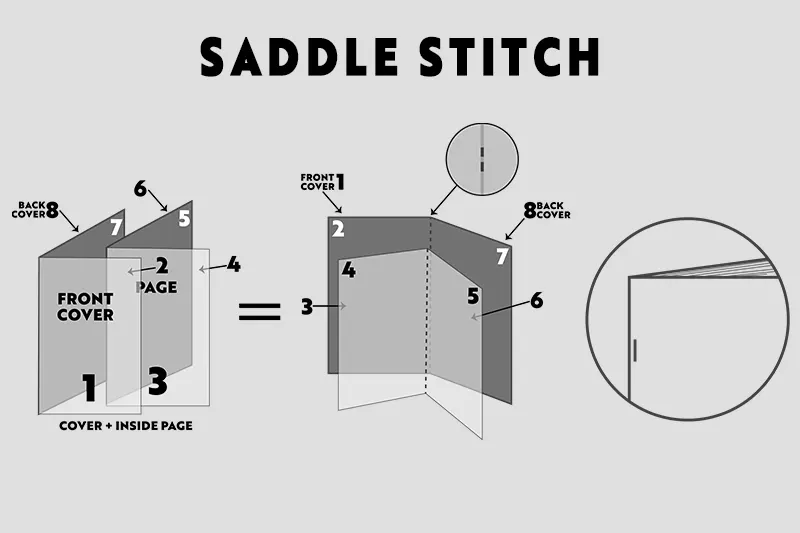
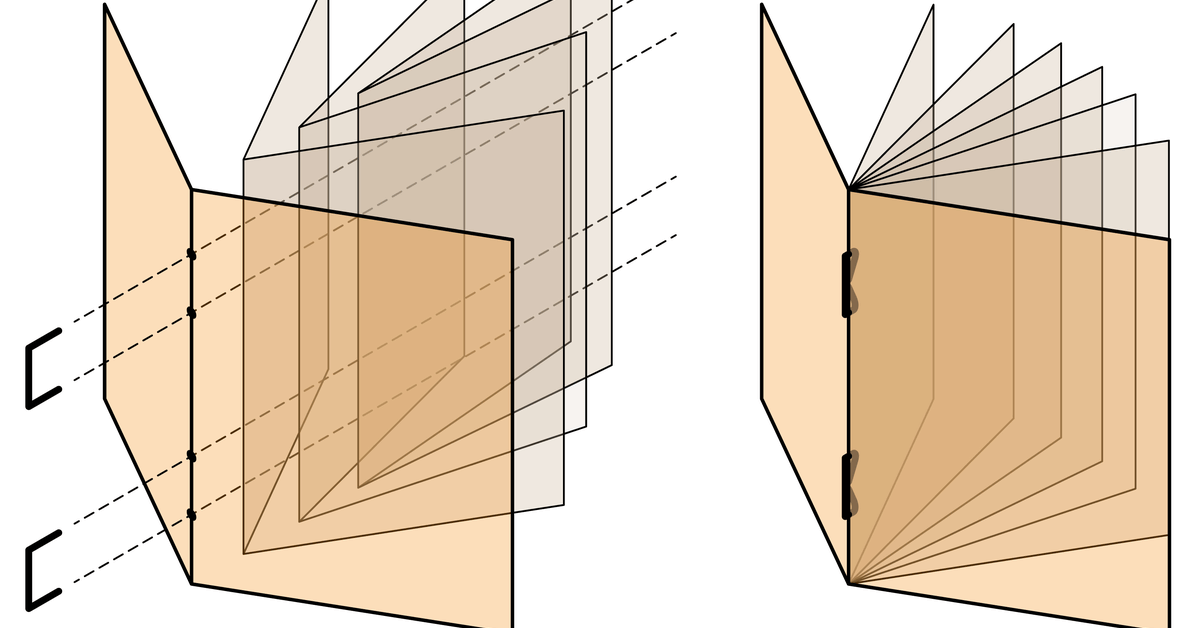
At its core, saddle stitch binding is a relatively straightforward mechanical process. It involves gathering folded sheets of paper—commonly referred to as “signatures”—and stapling them through the spine fold. The term “saddle” originates from the physical configuration of the binding machinery; the folded documents are draped over a V-shaped structure, often called a saddle, while wire staples are driven through the fold and clinched on the inside center spread.
How It Works
The process typically begins with large sheets of paper being printed and folded into sets of four, eight, or sixteen pages. Once these signatures are collated in the correct order, they are placed onto the saddle-stitching line. As they pass through the machine, wire is pushed through the center fold and bent flat against the innermost pages. This ensures the document remains secure while allowing it to lie relatively flat when opened, which is a significant advantage for reader usability.
The Role of Precision
While the process appears simple, it requires a high degree of technical precision. If the pages are not aligned perfectly during the folding or collating stages, the final booklet will exhibit “creeping.” Creep occurs when the inner pages of a thick booklet extend further out than the outer pages because of the thickness of the paper fold. Experienced printers account for this during the imposition phase of production by shifting page margins slightly, ensuring that after the booklet is trimmed, the content is perfectly centered and balanced.
Applications and Strategic Advantages in Branding
From a brand strategy perspective, the choice of binding method communicates a great deal about a company’s values, its attention to detail, and the intended purpose of its literature. Saddle stitching is rarely an accident; it is a deliberate choice for projects that require a balance between portability and professional presentation.
Ideal Use Cases
Saddle stitching is the gold standard for documents ranging from 8 to roughly 64 pages. Beyond this threshold, the spine becomes too thick, and the booklet struggles to remain closed, making perfect binding (glue binding) a better alternative. Common brand assets that benefit from this technique include:
- Product Catalogs: Because saddle-stitched booklets lay flat, they are ideal for catalogs where high-quality product photography spans across two pages.
- Company Magazines and Newsletters: The lightweight nature of saddle stitching makes it perfect for periodical distribution.
- Event Programs and Manuals: For conference handbooks or user guides, the durability of a stapled spine is sufficient for frequent reference while remaining inexpensive to mass-produce.
The Tactile Brand Experience
Designers must consider how the binding method impacts the “hand” of the final product. Saddle stitching offers a clean, streamlined aesthetic that feels approachable and functional. Unlike heavier binding methods, it does not add significant weight to the document, which can be a vital consideration for direct mail campaigns where every gram counts toward postage costs. When a customer receives a saddle-stitched product brochure, they interact with a format that feels curated and purposeful, reinforcing the brand’s commitment to delivering information in an accessible, digestible way.
Technical Considerations for Design and Production
Successful saddle stitching begins long before the document reaches the printer. Design teams must integrate specific technical requirements into their workflow to ensure the final product matches their vision. Neglecting these details often leads to poor alignment, cut-off text, or compromised visual hierarchy.
Page Count and Imposition
A crucial rule of thumb for saddle stitching is that the total page count must be a multiple of four. Because a single sheet of paper is folded in half to create four pages (a front, a back, and two inside faces), you cannot have a saddle-stitched booklet with an odd number of pages. If your content requires an odd number, designers must strategically incorporate blank pages or full-page advertisements to satisfy the mathematical requirements of the binding process.
Margin and Gutter Management
The “gutter”—the space where the pages meet at the fold—is the most challenging area in saddle-stitched design. Because the pages are folded, there is a risk of losing critical visual information within the crease.
- Live Area Awareness: Designers should keep important text and logos at least 0.25 to 0.5 inches away from the gutter to ensure readability.
- Spread Continuity: When designing images that cross the gutter, ensure that the subject matter is not obscured by the fold. Avoid placing human faces or complex details exactly in the center line.
- Bleeds: Always provide at least an 0.125-inch bleed on all outside edges to accommodate the final trim, ensuring that your background colors and imagery extend to the very edge of the paper without leaving white slivers.
Paper Stock and Weight
The weight of the paper used for the cover versus the interior pages significantly affects the feel of the finished piece. Many brands choose a “self-cover” approach, where the cover is the same paper stock as the interior pages. This is the most economical route. However, for a more premium brand identity, designers often specify a heavier, coated cover stock (such as a 100lb gloss or matte cover) for the exterior, while keeping the interior pages on a lighter text-weight paper. This contrast not only elevates the perceived value of the document but also improves the durability of the booklet over time.
Future-Proofing Print in a Digital World
In an increasingly digital-first marketing landscape, physical print remains a powerful tool for brand differentiation. While digital files are fleeting, a professionally bound saddle-stitched booklet is a tangible asset that occupies physical space on a desk or coffee table.
Why Print Still Matters
As digital channels become saturated with ephemeral content, physical collateral offers a unique opportunity for high-engagement “slow reading.” Saddle-stitched booklets provide a tactile experience that digital interfaces simply cannot replicate. By selecting high-quality paper and combining it with precision saddle-stitch binding, brands can signal that their content is worth keeping.

Strategic Integration
Modern brand strategy often involves a hybrid approach where digital content drives traffic to physical experiences. A well-designed, saddle-stitched lookbook or technical guide can serve as a premium piece of collateral that acts as a bridge between the online brand and the physical customer journey. By understanding the capabilities and constraints of saddle stitching, designers can push the boundaries of this traditional format, incorporating creative fold-outs, die-cuts, or custom finishes that make the piece stand out in a digital-dominated world.
Ultimately, saddle stitching is more than just a mechanical necessity; it is a design choice that requires foresight, technical competence, and a keen sense of brand aesthetics. By mastering the fundamental aspects of this binding method, designers and marketers can ensure that their printed materials are not only functional but also serve as a high-quality testament to their brand’s identity and professional standards.
aViewFromTheCave is a participant in the Amazon Services LLC Associates Program, an affiliate advertising program designed to provide a means for sites to earn advertising fees by advertising and linking to Amazon.com. Amazon, the Amazon logo, AmazonSupply, and the AmazonSupply logo are trademarks of Amazon.com, Inc. or its affiliates. As an Amazon Associate we earn affiliate commissions from qualifying purchases.