
In the modern landscape of professional development and market positioning, the concept of being a “proud ally” has evolved from a social sentiment into a sophisticated component of personal branding. While the term is often associated with social movements, in the context of brand strategy, it represents a deliberate choice to align one’s professional identity with specific values, communities, or causes. Understanding what “proud ally” means—and how to communicate that status authentically—is a powerful tool for building trust, establishing authority, and differentiating yourself in a crowded marketplace.
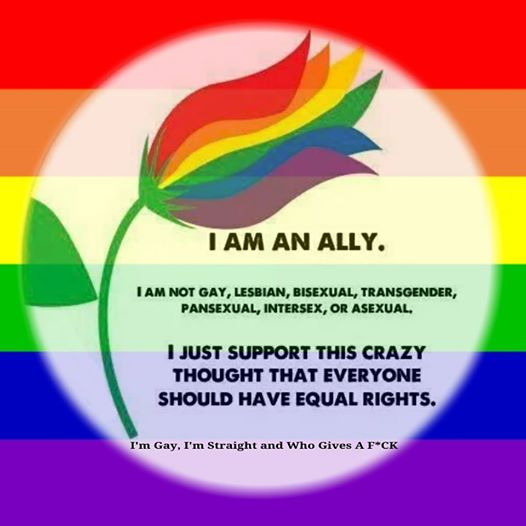
The Strategic Value of Allyship in Personal Branding
A personal brand is not merely a collection of skills or a resume; it is the reputation you cultivate and the values you represent. When an individual labels themselves a “proud ally,” they are signaling to their network, clients, and prospective employers that they possess a high level of emotional intelligence and a commitment to inclusive growth.
Defining the Brand Identity
To be a proud ally means you have transitioned from passive support to active advocacy. In a branding sense, this means your public-facing persona is anchored in the belief that your success is tied to the success of those you support. This creates a “halo effect” around your professional identity. When you champion underrepresented groups or advocate for systemic changes within your industry, you are not just being supportive; you are demonstrating leadership. Potential partners gravitate toward individuals who show they have the courage to take a stand, as it signals reliability and a long-term focus on sustainable progress.
Aligning Values with Visibility
Authenticity is the currency of modern branding. A “proud ally” brand identity requires alignment between your internal convictions and your external output. If you position yourself as an ally, your content, your networking choices, and your professional endorsements must reflect that. Strategic visibility—such as speaking on inclusive practices, mentoring diverse talent, or partnering with brands that share your values—transforms the abstract concept of “allyship” into a tangible, measurable asset in your brand portfolio.
Developing an Advocacy-Based Brand Strategy
Building a brand around allyship is not about performative gestures; it is about strategic integration. To effectively leverage this identity, you must move beyond occasional social media posts and embed these principles into the core of your professional infrastructure.
Curating Your Professional Narrative
Your brand narrative should clearly articulate why you are an ally and what that means for the people who engage with you. This involves crafting a compelling “why” statement. Instead of merely saying “I am an ally,” frame your value proposition around the results of that advocacy. For instance: “I bridge the gap between diverse talent and corporate opportunity by advocating for inclusive recruitment processes.” By linking your allyship to specific, measurable outcomes, you move the conversation from sentiment to expertise.
Strategic Networking and Partnerships
A brand is defined by the company it keeps. As a proud ally, your networking strategy should be intentional. Seek out partnerships with organizations, non-profits, and thought leaders who are already working in the spaces you wish to support. By associating your personal brand with established, respected entities in the DEI (Diversity, Equity, and Inclusion) or social impact space, you gain social proof. This is not about self-interest, but about creating an ecosystem where your professional brand serves as a bridge for others to access opportunities they might otherwise miss.
The Pitfalls of Performative Allyship
In the era of cancel culture and heightened social awareness, “performing” allyship without genuine substance can be disastrous for a personal brand. Understanding what being a proud ally does not mean is just as critical as understanding its definition.
Avoiding the “Brandwashing” Trap
“Brandwashing” occurs when an individual or company leverages the optics of allyship to garner favor without actually implementing the necessary changes in their behavior or business practices. From a branding perspective, this is a fatal flaw. Audiences today are highly adept at detecting inconsistency. If your public profile projects an image of an ally but your private professional conduct—such as your hiring habits, internal communication style, or choice of vendors—contradicts this, you risk a total collapse of brand credibility.
Substance Over Optics
To ensure your brand remains resilient, focus on tangible impact. If you are a proud ally, your brand strategy should include:
- Actionable Content: Share insights, resources, and educational materials that help your network learn and grow.
- Active Mentorship: Devote time to lifting others up. Your brand becomes stronger when your mentees succeed.
- Consistent Advocacy: Don’t just speak up when it is trendy. Build a history of support that spans years, not just news cycles.
A brand built on sustained action is far harder to deconstruct than one built on temporary aesthetic adjustments.
Measuring the ROI of a Value-Driven Brand
While allyship is fundamentally about human connection and equity, it also provides measurable returns for your personal brand. When you operate as a proud ally, you are essentially engaging in a form of long-term relationship marketing that prioritizes community trust over short-term transaction.
Community Trust and Loyalty
When you demonstrate genuine allyship, you build a loyal community. People want to work with those who make them feel seen, heard, and valued. This leads to higher retention rates for your projects, better collaborations, and a more robust referral network. In professional terms, this is “social capital.” By investing in the success of others, you are building an insurance policy for your own career; you are creating a network of people who trust your integrity and are willing to vouch for your character.
Differentiation in a Crowded Market
Most professional brands in your niche are likely focusing on the same technical skills and performance metrics. By positioning yourself as a proud ally, you add a unique dimension to your brand that competitors may lack. This human element is what makes you memorable. When a prospective client or employer has to choose between two equally qualified candidates, they will often choose the one whose brand identity aligns with their own personal or corporate values. Your status as an ally becomes a key differentiator that provides you with a competitive edge, allowing you to charge a premium for your work or gain access to exclusive professional circles.
The Future of the “Proud Ally” Brand Identity
As we look toward the future, the definition of what it means to be a “proud ally” will continue to broaden. It is no longer just about the traditional markers of social justice; it is about being an advocate for human-centric business models.
Moving Toward Holistic Advocacy
The next phase of brand evolution involves moving toward “holistic advocacy.” This means supporting not just the people in your industry, but the sustainability of the industry itself. A proud ally in the modern sense is one who advocates for better work-life balance, fair compensation, mental health awareness, and ethical AI usage. By expanding your definition of allyship to include these broader professional concerns, you cement your role as a forward-thinking leader who cares about the ecosystem as a whole.

Conclusion: Authenticity as Your Ultimate Asset
Ultimately, the answer to “what does proud ally mean” is found in the intersection of your character and your professional output. It is a commitment to being a conduit for equity and a megaphone for those who need to be heard. When done with intention and consistency, it is perhaps the most powerful branding strategy available. It builds a legacy of influence that transcends mere financial gain, ensuring that your personal brand is synonymous with progress, integrity, and human potential. By staying true to these principles, you do not just build a brand—you build a reputation that lasts.
aViewFromTheCave is a participant in the Amazon Services LLC Associates Program, an affiliate advertising program designed to provide a means for sites to earn advertising fees by advertising and linking to Amazon.com. Amazon, the Amazon logo, AmazonSupply, and the AmazonSupply logo are trademarks of Amazon.com, Inc. or its affiliates. As an Amazon Associate we earn affiliate commissions from qualifying purchases.