
In the landscape of large-scale infrastructure, complex construction, and massive public-sector undertakings, the traditional client-contractor relationship is evolving. Organizations are increasingly shifting away from fragmented management structures toward a consolidated, high-level oversight model. At the heart of this transformation is the Project Delivery Partner (PDP). A Project Delivery Partner is not merely a consultant or a project manager; they act as an extension of the client’s own organization, assuming responsibility for the successful delivery of a project through a collaborative, risk-sharing, and highly integrated approach.
By embedding experts directly into the client’s team, a PDP model ensures that strategic objectives are translated into actionable execution. This relationship moves beyond transactional engagements, fostering a long-term partnership that bridges the gap between ambitious project visions and the operational realities of delivery.
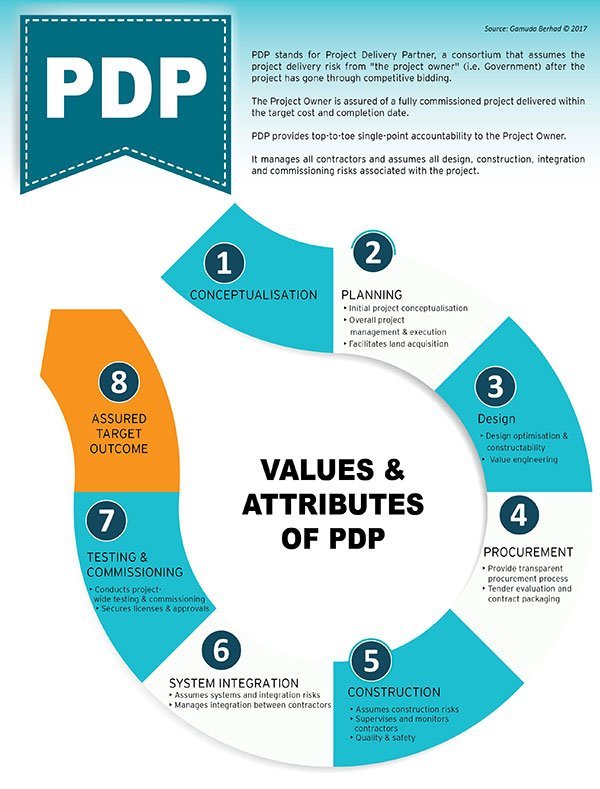
The Strategic Role of the Project Delivery Partner
The primary function of a Project Delivery Partner is to provide the leadership, governance, and technical capability required to deliver projects that are too complex or broad in scope for a client to manage entirely in-house. When a public body or a private corporation embarks on a multi-billion dollar program, they often lack the internal bench strength to manage dozens of sub-contractors, navigate shifting regulatory landscapes, and maintain rigorous financial oversight simultaneously.
Bridging the Capacity Gap
Many organizations face the “client capability gap.” This occurs when an entity has the capital and the strategic desire to complete a project but lacks the specialized, end-to-end management infrastructure to oversee it. The PDP fills this vacuum by deploying senior personnel who bring experience from previous mega-projects. These experts don’t just offer advice; they take ownership of specific workstreams, manage procurement processes, and enforce health, safety, and environmental standards as if they were the client’s own executive team.
Governance and Assurance
Beyond capacity, the PDP serves as the ultimate guardian of project governance. They implement robust control frameworks that provide the client with real-time visibility into project progress. Through sophisticated reporting systems, the PDP monitors KPIs, tracks budget adherence, and manages risk registers. By centralizing this data, the PDP provides the client with the “one version of the truth” necessary to make informed, high-stakes decisions at critical project milestones.
Why the PDP Model is Transforming Corporate Strategy
The adoption of a Project Delivery Partner model is a strategic move, often driven by the need to manage systemic risk and optimize capital efficiency. In industries such as rail, energy, and urban redevelopment, the costs of delay or failure are catastrophic. The PDP structure is designed to mitigate these risks by shifting the focus from individual contract management to program-level integration.
Risk Allocation and Shared Accountability
In a traditional procurement model, risk is often pushed down to the supply chain, leading to adversarial relationships and litigation when things go wrong. The PDP model encourages a different philosophy: integrated risk management. The PDP works alongside the client to identify risks early, allocate them to the party best equipped to handle them, and develop contingency plans that protect the overall program timeline. This collaborative mindset changes the culture of a project, fostering transparency rather than blame-shifting.

Driving Value Through Lifecycle Thinking
A PDP is focused on more than just the “go-live” date. They are tasked with looking at the total cost of ownership. By considering maintenance, operational efficiency, and long-term asset performance during the design and construction phases, the PDP ensures that the final deliverable provides value for decades, not just years. This lifecycle perspective aligns the goals of the delivery team with the business objectives of the client, ensuring that the finished asset is not only completed on time and on budget but is also commercially and operationally viable.
Integrating Technical and Commercial Expertise
The success of a Project Delivery Partner relies on their ability to marry technical engineering prowess with commercial acumen. It is a dual-discipline role that requires a deep understanding of both the physical site and the financial bottom line.
Managing Complex Supply Chains
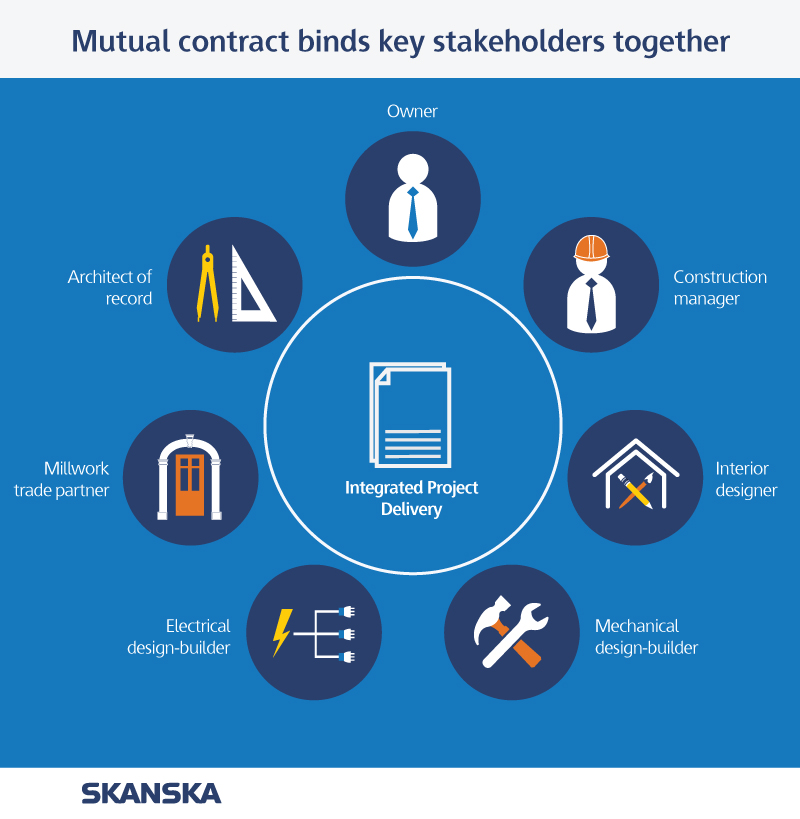
Modern projects often involve a tiered supply chain featuring hundreds of diverse vendors. Managing these relationships requires sophisticated procurement strategies and proactive vendor management. The PDP acts as the “prime contractor” of oversight, coordinating the efforts of designers, engineers, construction firms, and tech vendors. They ensure that all parties are aligned with the project’s overarching schedule and quality standards, effectively acting as the central nervous system of the project’s supply network.
Financial Stewardship and Cost Control
The financial health of a project is the most critical metric for any stakeholder. A Project Delivery Partner is heavily involved in cost estimation, budget forecasting, and value engineering. Because they are often incentivized based on performance targets, they are motivated to identify cost-saving opportunities without compromising safety or integrity. By managing the flow of capital and ensuring that project spending remains within the agreed-upon frameworks, the PDP provides the financial assurance that investors and boards demand.
Defining Success: The Evolution of the Partnership
As the complexity of global infrastructure grows, the role of the Project Delivery Partner continues to expand. We are moving toward a future where data-driven decision-making and digital transformation are non-negotiable aspects of project delivery. The modern PDP is no longer just a project manager; they are a partner in digital transformation, helping clients leverage Building Information Modeling (BIM), AI-driven predictive analytics, and automated project controls to deliver results with unprecedented precision.
The Human Element: Cultural Integration
Despite the focus on technical capabilities, the most important aspect of a successful PDP engagement is cultural alignment. The partner must be able to work seamlessly within the client’s organization. This requires a high degree of emotional intelligence and adaptability. The best PDP teams are those that can effectively “disappear” into the client’s structure, acting as a unified force rather than an external observer. When the team on the ground can no longer distinguish between a direct client employee and a PDP consultant, the partnership has reached its peak potential.
A Long-Term Commitment
Finally, the Project Delivery Partner model represents a shift toward a long-term mindset. It acknowledges that building large-scale assets is a marathon, not a sprint. By maintaining continuity of leadership and strategy throughout the project lifecycle—from feasibility studies to commissioning and handover—the PDP provides the stability that is often lost in fragmented, short-term project structures.
In conclusion, the Project Delivery Partner is a sophisticated response to the challenges of an increasingly complex world. They provide the leadership, the systems, and the accountability needed to transform ambitious concepts into tangible reality. For organizations facing the daunting task of delivering high-stakes infrastructure, the PDP model offers a pathway to not just complete a project, but to do so with excellence, efficiency, and enduring value. By delegating the heavy lifting of project management to a dedicated, high-capability partner, clients are freed to focus on their core mission, confident that their project is in the hands of experts committed to their success.
aViewFromTheCave is a participant in the Amazon Services LLC Associates Program, an affiliate advertising program designed to provide a means for sites to earn advertising fees by advertising and linking to Amazon.com. Amazon, the Amazon logo, AmazonSupply, and the AmazonSupply logo are trademarks of Amazon.com, Inc. or its affiliates. As an Amazon Associate we earn affiliate commissions from qualifying purchases.