
In the modern automotive landscape, the complexity of vehicles has shifted from purely mechanical engineering to a sophisticated fusion of hardware and advanced computing. At the heart of this transition lies the Powertrain Control Module (PCM), often referred to as the “brain” of the vehicle. For automotive enthusiasts, technicians, and everyday drivers, understanding the PCM is essential to grasping how modern cars manage performance, efficiency, and environmental compliance.
Defining the Powertrain Control Module: The Command Center
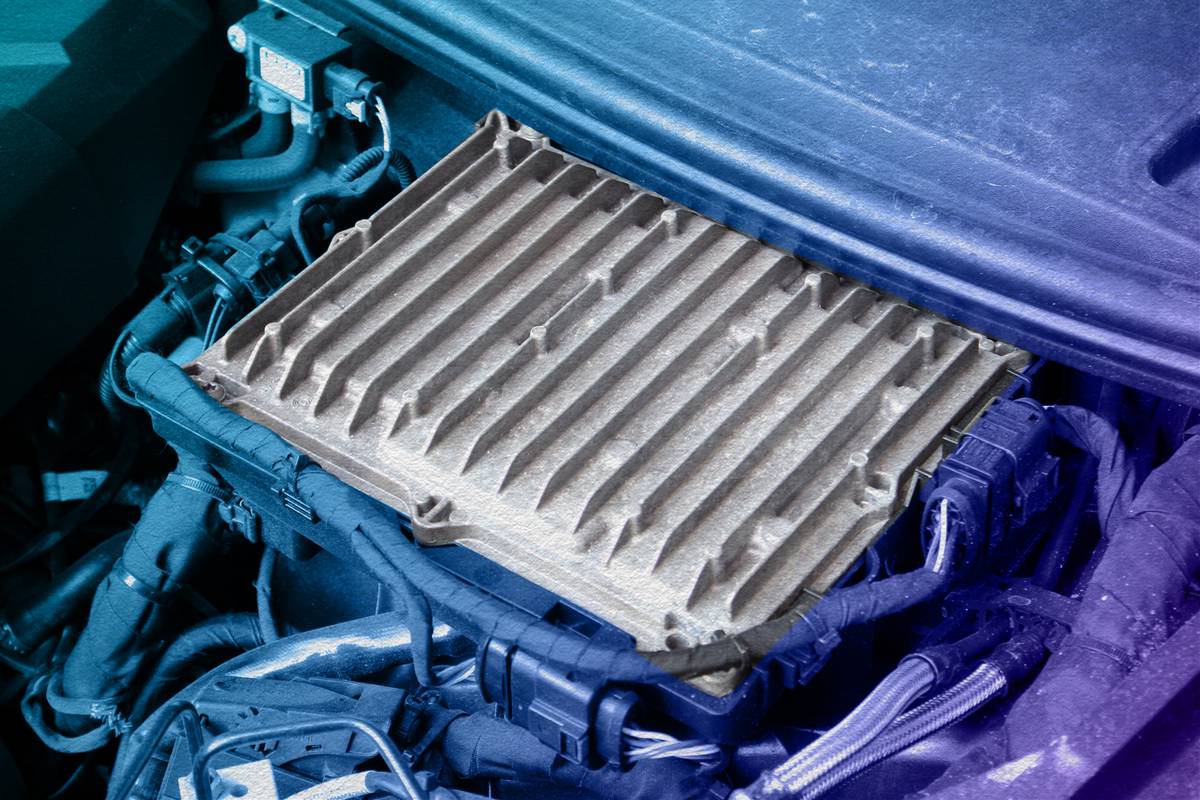
The Powertrain Control Module is a specialized type of Electronic Control Unit (ECU) that serves as the central nervous system for a vehicle’s engine and transmission operations. While older vehicles relied on mechanical linkages, carburetors, and vacuum-operated distributors, modern vehicles utilize the PCM to process thousands of data points every second.

The Role of Sensors and Actuators
The PCM functions through a continuous loop of data collection and command execution. It begins by gathering real-time input from an array of sensors throughout the vehicle. These include the Mass Air Flow (MAF) sensor, which measures the amount of air entering the engine; the Oxygen (O2) sensors, which monitor exhaust gases; the Crankshaft Position Sensor, which tracks the engine’s RPM; and various temperature sensors.
Once this data reaches the PCM, its internal microprocessor evaluates the information against pre-programmed “maps” or software algorithms. Based on this analysis, the PCM sends electrical signals to various actuators. For example, it decides exactly how long a fuel injector should stay open, the precise millisecond to trigger a spark plug, and how to adjust the transmission shift points to optimize gear ratios. This cycle happens so rapidly that the vehicle can respond to changing road conditions or driver inputs almost instantaneously.
Integration of Engine and Transmission
It is important to note that in many modern vehicles, the PCM represents a consolidation of the Engine Control Module (ECM) and the Transmission Control Module (TCM). By housing both functions within a single housing, manufacturers have reduced wiring harness complexity, improved communication speeds between engine and transmission, and lowered the overall weight of the vehicle. This integration allows for seamless torque management, where the engine power output is momentarily reduced during a gear shift to ensure a smoother transition and reduce wear on drivetrain components.
The Technical Architecture and Software Sophistication
The PCM is not merely a circuit board; it is a powerful embedded computer system. Just as your smartphone or laptop relies on an operating system, the PCM runs on proprietary firmware designed specifically for the unique characteristics of a vehicle’s powertrain.
Adaptive Learning and Calibration
One of the most remarkable features of a modern PCM is its ability to perform “adaptive learning.” The software is designed to recognize subtle changes in the vehicle’s state over time. As components like the throttle body accumulate carbon deposits or as the engine experiences minor mechanical wear, the PCM compensates by adjusting its baseline parameters—such as idle air control or fuel trim levels—to ensure the vehicle continues to operate within its design specifications.
This adaptive capability is why technicians must often perform a “relearn” procedure after replacing major components. When a new sensor or a replacement PCM is installed, the computer must clear its old, potentially inaccurate “learned” values and begin calibrating itself to the new hardware to restore optimal performance.

OBD-II and Diagnostic Protocols
The PCM serves as the primary gateway for vehicle diagnostics. Through the On-Board Diagnostics II (OBD-II) port, technicians and owners can interface with the PCM using scan tools to retrieve Diagnostic Trouble Codes (DTCs). These codes act as the language through which the PCM communicates internal malfunctions.
When the PCM detects an inconsistency—such as an engine misfire or an emissions system failure—it triggers the “Check Engine” light on the dashboard. This action is a protective measure. The PCM logs the specific error code, freezes the sensor data at the moment of the fault (known as “freeze-frame data”), and alerts the driver. This functionality is critical for both emission compliance and preventative maintenance, as it allows for the diagnosis of problems long before they lead to catastrophic mechanical failure.
Challenges in Modern Automotive Computing: Security and Upgrades
As vehicles become increasingly connected—often referred to as “Software-Defined Vehicles”—the role of the PCM has expanded, bringing with it new challenges related to cybersecurity and software management.
The Rise of Over-the-Air (OTA) Updates
In the past, updating the PCM software required a visit to a dealership, where a technician would manually flash the module using proprietary equipment. Today, manufacturers are increasingly moving toward Over-the-Air (OTA) updates. This shift mimics the software update process on modern computers, allowing automakers to deploy patches that improve fuel efficiency, fix bugs in the transmission logic, or even enhance engine performance after the vehicle has been purchased.
While convenient, OTA updates necessitate robust encryption. Since the PCM controls vital powertrain functions, it has become a focal point for automotive security research. Ensuring that the code sent to the vehicle is authentic and secure is paramount to preventing unauthorized access to a vehicle’s core operations.
PCM Failure and Troubleshooting
Despite their durability, PCMs are susceptible to failure. Common causes include electrical surges, excessive heat, moisture intrusion, and severe vibration. Because the PCM is a sophisticated electronic component, diagnosing a faulty module can be difficult. It is frequently misdiagnosed because other faulty sensors or wiring issues can mimic a PCM failure.
A “bricked” or malfunctioning PCM can lead to a host of symptoms: the vehicle may refuse to start, exhibit erratic shifting, suffer from severe engine performance drops, or trigger a cascade of false dashboard warning lights. Professional diagnosis typically involves checking power and ground supplies to the unit before concluding that the module itself requires replacement. Because each PCM is programmed with the vehicle’s unique Vehicle Identification Number (VIN) and immobilization security keys, a simple swap is rarely possible. The new module must be synchronized with the vehicle’s existing security system using advanced diagnostic software.
The Future of the PCM in an Electrified World
The definition of the PCM is currently undergoing another transformation as the automotive industry transitions toward Electric Vehicles (EVs). In a battery-electric vehicle, there is no internal combustion engine, yet the concept of the PCM lives on, albeit in a different form.
In EVs, the module responsible for power distribution is often referred to as the Vehicle Control Unit (VCU) or the Powertrain Domain Controller. Instead of managing fuel injection or spark timing, this unit manages the high-voltage battery discharge, the inverter that converts DC to AC for the electric motors, and the regenerative braking systems.
The core philosophy remains unchanged: a central computer must aggregate data, evaluate it against performance parameters, and command the powertrain to operate efficiently and safely. As we look toward the future, the integration of Artificial Intelligence and machine learning at the PCM level promises to further optimize energy usage, predict mechanical failures before they happen, and provide a driving experience that is more responsive and intuitive than ever before. Whether powering a traditional internal combustion engine or a high-capacity electric battery, the PCM remains the most vital technological component of the modern machine.
aViewFromTheCave is a participant in the Amazon Services LLC Associates Program, an affiliate advertising program designed to provide a means for sites to earn advertising fees by advertising and linking to Amazon.com. Amazon, the Amazon logo, AmazonSupply, and the AmazonSupply logo are trademarks of Amazon.com, Inc. or its affiliates. As an Amazon Associate we earn affiliate commissions from qualifying purchases.