
The Culinary Value Proposition: Understanding the Hepatopancreas
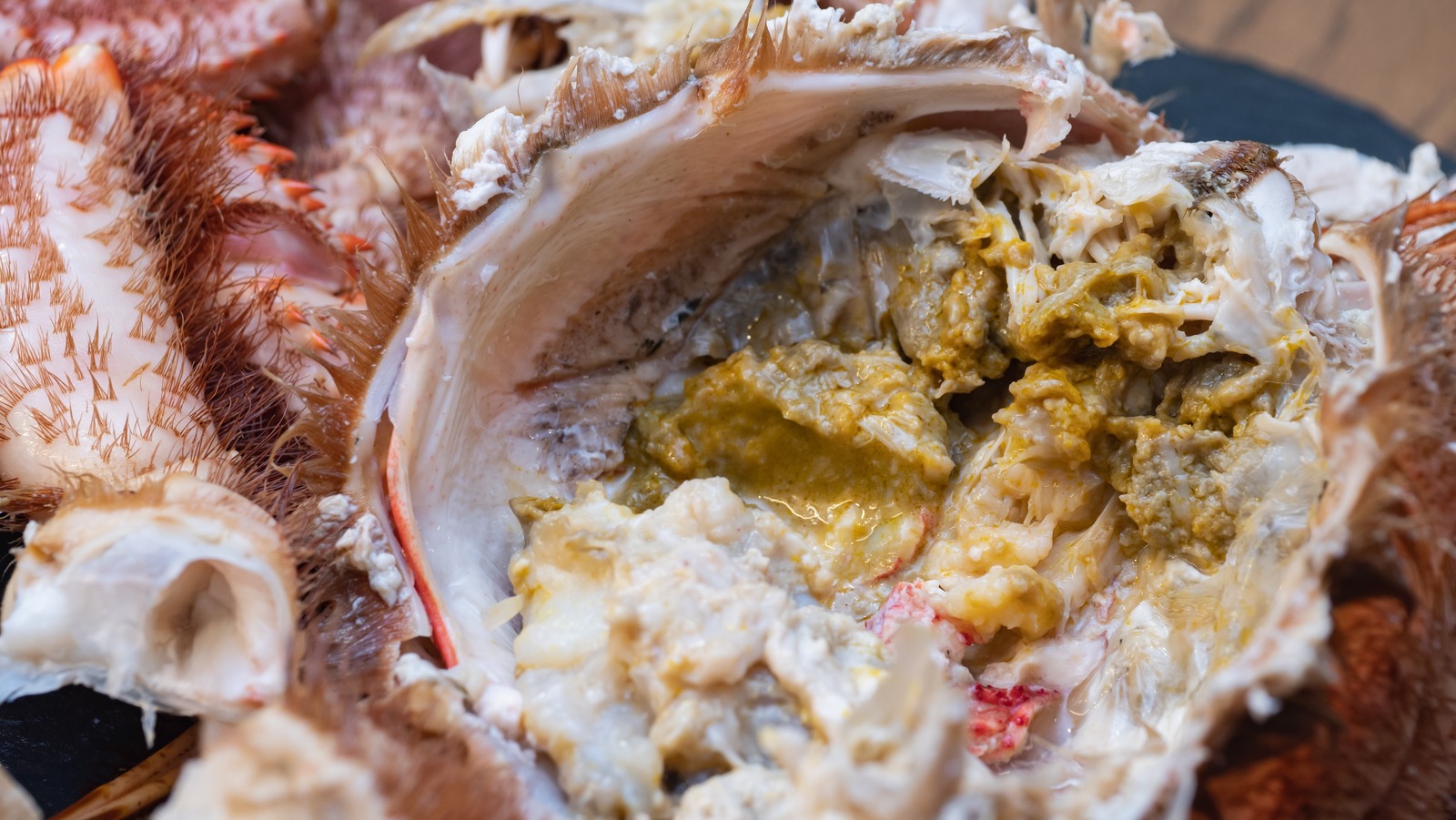
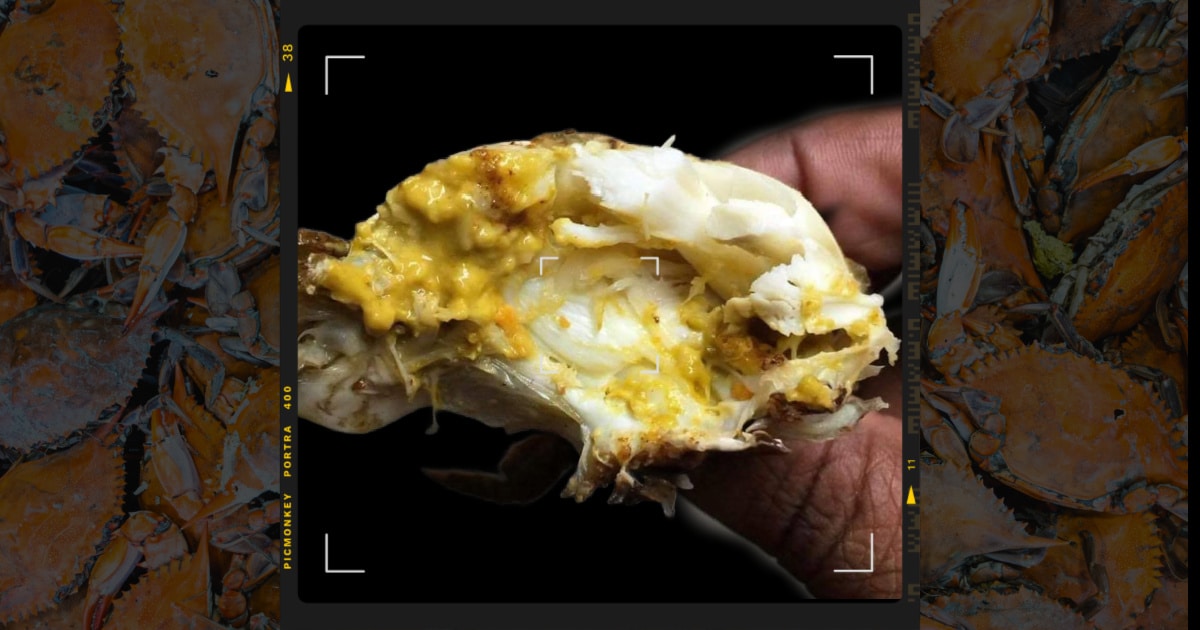
In the world of luxury seafood, the term “mustard” refers to the yellowish-green substance found inside the cavity of a cooked crab. While casual diners might mistake it for waste or an unappealing byproduct, culinary experts and seafood connoisseurs recognize it as a high-value asset. Scientifically, this substance is the crab’s hepatopancreas—an organ that functions similarly to a combination of the liver and pancreas in mammals.
For the seafood industry, understanding the “mustard” is not just about biology; it is about brand positioning and product differentiation. Just as a high-end steakhouse must educate its clientele on the marbling of a ribeye, premium seafood purveyors must articulate the value of the hepatopancreas to elevate the consumer experience. It is the repository of the crab’s flavor profile, containing concentrated fats and enzymes that define the richness of the meat.
The Role of Flavor Profiling in Brand Identity
When a brand markets a crab product, the presence and quality of the mustard are indicators of freshness and vitality. From a business strategy perspective, how a company explains the mustard to its customers can drastically alter perceived value. It is the difference between selling a commodity and selling an artisanal experience. Brands that lean into the “mustard as a delicacy” narrative often see higher margins because they are selling an experience rooted in authenticity and culinary expertise.
Nutritional Density and Market Demand
From a financial and nutritional standpoint, the mustard is the most energy-dense part of the crab. Because it stores glycogen, minerals, and essential fats, it provides a unique mouthfeel that meat alone cannot replicate. In markets where whole-crab consumption is the standard—such as parts of Asia and high-end coastal restaurants in North America—the mustard is highly sought after for its umami intensity.
Strategic Sourcing and Quality Control
For businesses within the seafood supply chain, the consistency of the hepatopancreas is a key performance indicator. A crab with a high-quality, rich, and custard-like mustard suggests a healthy environment and proper harvesting timing. Conversely, if the mustard is discolored or has an off-putting texture, it can indicate contamination or poor health, which poses a significant risk to brand reputation.
Implementing strict quality control measures regarding the internal condition of the catch is essential for maintaining premium pricing. Companies that provide transparency about their harvesting methods—ensuring the crabs are caught during peak seasons when the hepatopancreas is at its most flavorful—are able to command a “quality premium” in the marketplace. This is a classic example of brand strategy: leveraging the product’s natural attributes to justify a higher price point than competitors who operate on volume rather than quality.
Consumer Education as a Marketing Tool
One of the greatest hurdles for seafood brands is the “ick factor” associated with the appearance of the mustard. Many novice consumers, conditioned by sanitized, processed food environments, find the appearance of the hepatopancreas unappetizing. This is where strategic marketing and content creation come into play.
Bridging the Knowledge Gap
Brands can transform potential customer hesitation into engagement by developing educational content. By positioning the mustard as the “chef’s secret ingredient” or the “soul of the crab,” businesses can shift the consumer mindset. Effective digital marketing strategies often include:
- Instructional Videos: Demonstrating how to properly incorporate the mustard into sauces, dips, or as a garnish for the meat.
- Flavor Pairing Guides: Suggesting ingredients that complement the richness of the mustard, such as lemon, chili, or garlic butter.
- Sustainability Narratives: Explaining how consuming the whole animal (including the hepatopancreas) is a more sustainable, “nose-to-tail” approach to seafood consumption.
By treating the mustard not as a mysterious organ, but as a culinary goldmine, companies build trust. Customers who feel they have learned something new about their food are more likely to return, fostering brand loyalty.
Risk Management: Food Safety and Regulatory Compliance
While the mustard is a culinary treasure, it is also the area where the crab stores toxins if they are present in the environment. This represents a significant business risk. Heavy metals, such as cadmium, can accumulate in the hepatopancreas. For companies operating in the seafood sector, navigating these safety regulations is paramount to maintaining a viable business model.
Ensuring Business Sustainability
Corporate identity in the seafood industry is inextricably linked to safety records. A brand that is associated with safety recalls or health concerns faces immediate, and often permanent, financial damage. Consequently, businesses must invest in rigorous testing protocols. Transparency regarding these tests—publishing reports on the purity of the catch—acts as a robust marketing tool that assures investors and consumers alike that the brand is built on a foundation of integrity.
When a brand successfully markets the mustard as both a luxury item and a safe, high-quality product, they create a moat around their business. Competitors who ignore the complexities of the hepatopancreas and focus only on the meat are left vulnerable to brands that offer the “whole experience.” This comprehensive approach to product management—balancing flavor, nutrition, education, and safety—is what defines market leaders in the luxury seafood space.
The Future of the “Mustard” Market
As the global food market continues to shift toward artisanal and whole-food consumption, the cultural appreciation for the hepatopancreas is likely to grow. We are seeing a move away from hyper-processed fillets toward experiences that connect the consumer to the origin of the product.

Leveraging Emerging Trends
For forward-thinking businesses, there is potential in extracting and processing the mustard for use in high-end culinary products, such as crab butter or specialty pâtés. This creates a secondary revenue stream from what was previously considered a niche part of the crab, effectively increasing the “yield” per unit and improving overall profit margins.
Furthermore, the rise of food influencers and the “foodie” digital culture provides a ready-made platform for brands to showcase the mustard. By tapping into these trends, companies can turn a biological organ into a viral culinary asset. Whether it is through social media tutorials on how to prepare the perfect crab dip or partnerships with high-profile chefs who champion the “mustard,” the opportunity for brand differentiation is immense.
In summary, the mustard in crabs is far more than a simple biological organ; it is a critical touchpoint for branding, quality assurance, and profitability. Companies that understand its value, communicate it effectively to their target audience, and manage the associated risks with precision will continue to outperform the market. In the competitive landscape of premium food, the ability to turn a misunderstood or overlooked component into a highlight of the dining experience is the hallmark of a sophisticated brand strategy. As consumer sophistication increases, those who master the art of the hepatopancreas will hold the key to sustained growth and market authority.
aViewFromTheCave is a participant in the Amazon Services LLC Associates Program, an affiliate advertising program designed to provide a means for sites to earn advertising fees by advertising and linking to Amazon.com. Amazon, the Amazon logo, AmazonSupply, and the AmazonSupply logo are trademarks of Amazon.com, Inc. or its affiliates. As an Amazon Associate we earn affiliate commissions from qualifying purchases.