
In the hyper-competitive landscape of the quick-service restaurant industry, brand exclusivity is the gold standard for driving foot traffic and fostering customer loyalty. Few collaborations illustrate this strategic imperative as clearly as the partnership between PepsiCo and Buffalo Wild Wings, which birthed the proprietary soft drink known as Mountain Dew Legend. More than just a new flavor profile, this product serves as a masterclass in experiential marketing and brand-specific equity, transforming a simple beverage into a cornerstone of the “dine-in” experience.
The Strategic Anatomy of Exclusive Brand Collaborations
The introduction of Mountain Dew Legend represents a sophisticated pivot in corporate strategy. By moving away from the “one-size-fits-all” distribution model that defined the 20th-century soda industry, PepsiCo is leveraging the scarcity principle to create value. When a product is tethered to a specific physical location—in this case, the nationwide chain of Buffalo Wild Wings—it creates a destination-based incentive that transcends the nutritional value of the drink itself.
Leveraging the Power of Scarcity
Exclusivity creates a psychological trigger. Consumers are inherently drawn to offerings they cannot find in a traditional grocery store aisle. For a legacy brand like Mountain Dew, which has spent decades cultivating a diverse portfolio of flavors, Legend acts as a “halo product.” It doesn’t just compete with other soft drinks; it competes for the customer’s decision to choose Buffalo Wild Wings over a competitor that carries a standard fountain lineup.
Strengthening Corporate Ecosystems
From a marketing design perspective, the rollout of Legend signifies a deepening integration between food and beverage conglomerates. By aligning the “Legend” branding with the sports-bar aesthetic of Buffalo Wild Wings, PepsiCo ensures that the beverage feels like a native extension of the environment. The synergy here is undeniable: the bold, aggressive flavor profile of the drink is engineered to complement the salty, savory, and spicy notes of the restaurant’s signature chicken wings, effectively creating a “pairing” experience similar to a sommelier’s work with wine, but calibrated for the mass-market casual dining sector.
Flavor Engineering as Brand Identity
Developing a proprietary flavor for a specific retail partner is a high-stakes investment. Unlike a standard product launch, where the goal is mass-market penetration, the goal of a fountain-exclusive beverage is retention and differentiation. Mountain Dew Legend utilizes a complex flavor profile—a blend of blackberry, ginger, and citrus—that is intentionally distinct from the classic neon-yellow original.
Creating a Unique Sensory Signature
The specific choice of ingredients is a calculated strategic move. Blackberry offers a sophisticated, premium association, while ginger provides the “bite” that keeps the palate engaged throughout a long meal or a multi-hour sporting event. By distinguishing Legend from the standard Mountain Dew, PepsiCo prevents cannibalization of its core products. The regular Mountain Dew drinker still buys their six-packs at the grocery store, while the Legend drinker views the restaurant visit as an opportunity to consume a variant that they physically cannot replicate at home.
Aligning with Modern Consumer Expectations
The modern consumer is increasingly driven by “curated” experiences. Social media platforms thrive on the “new” and the “exclusive.” When a customer shares a photo of their meal accompanied by a cup of Mountain Dew Legend, they are inadvertently acting as a brand ambassador, signaling that they have gained access to a product not readily available to the general public. This creates a powerful feedback loop for both PepsiCo and Buffalo Wild Wings, turning beverage consumption into a social currency.
The Role of Marketing and Brand Positioning

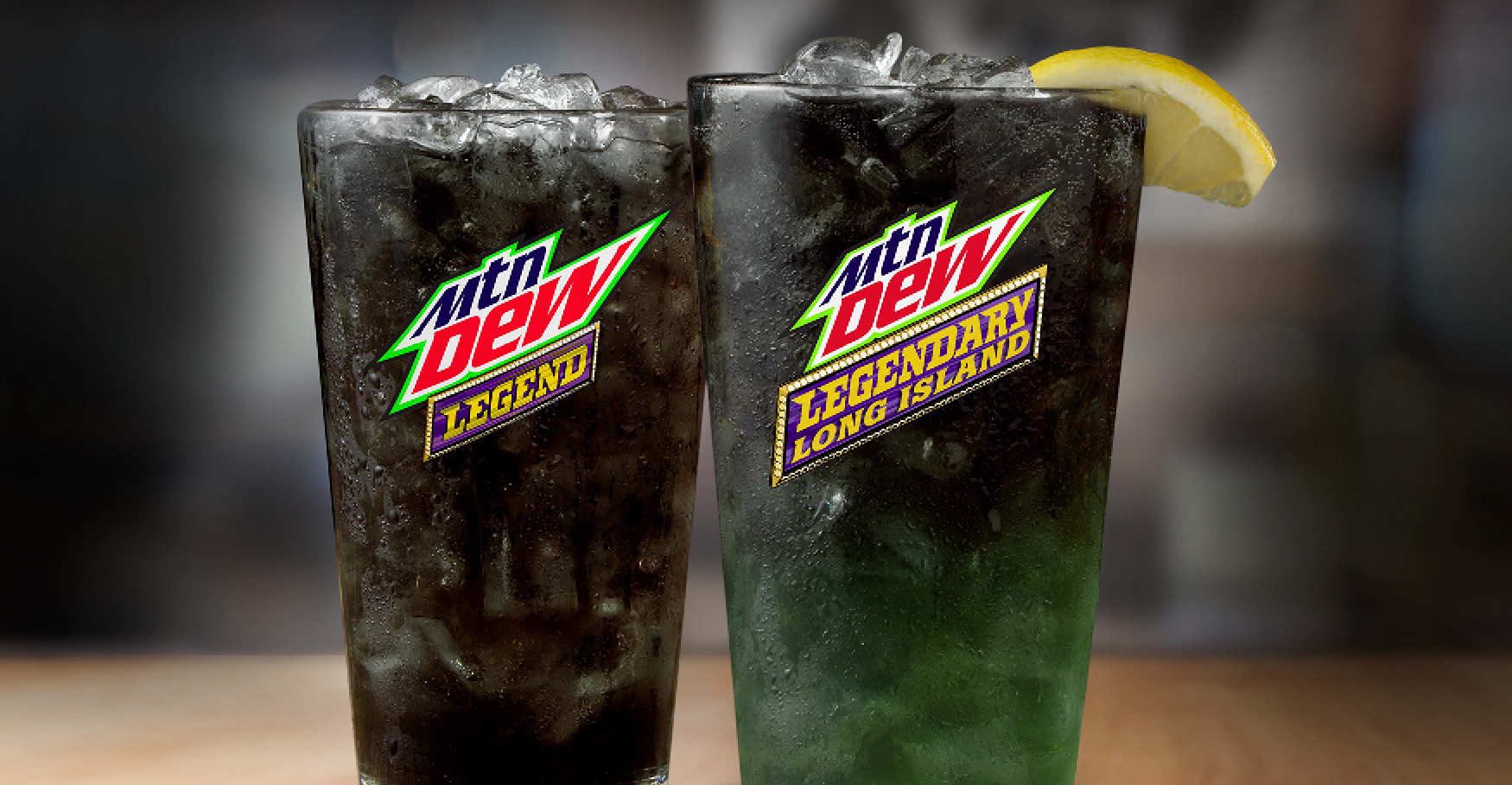
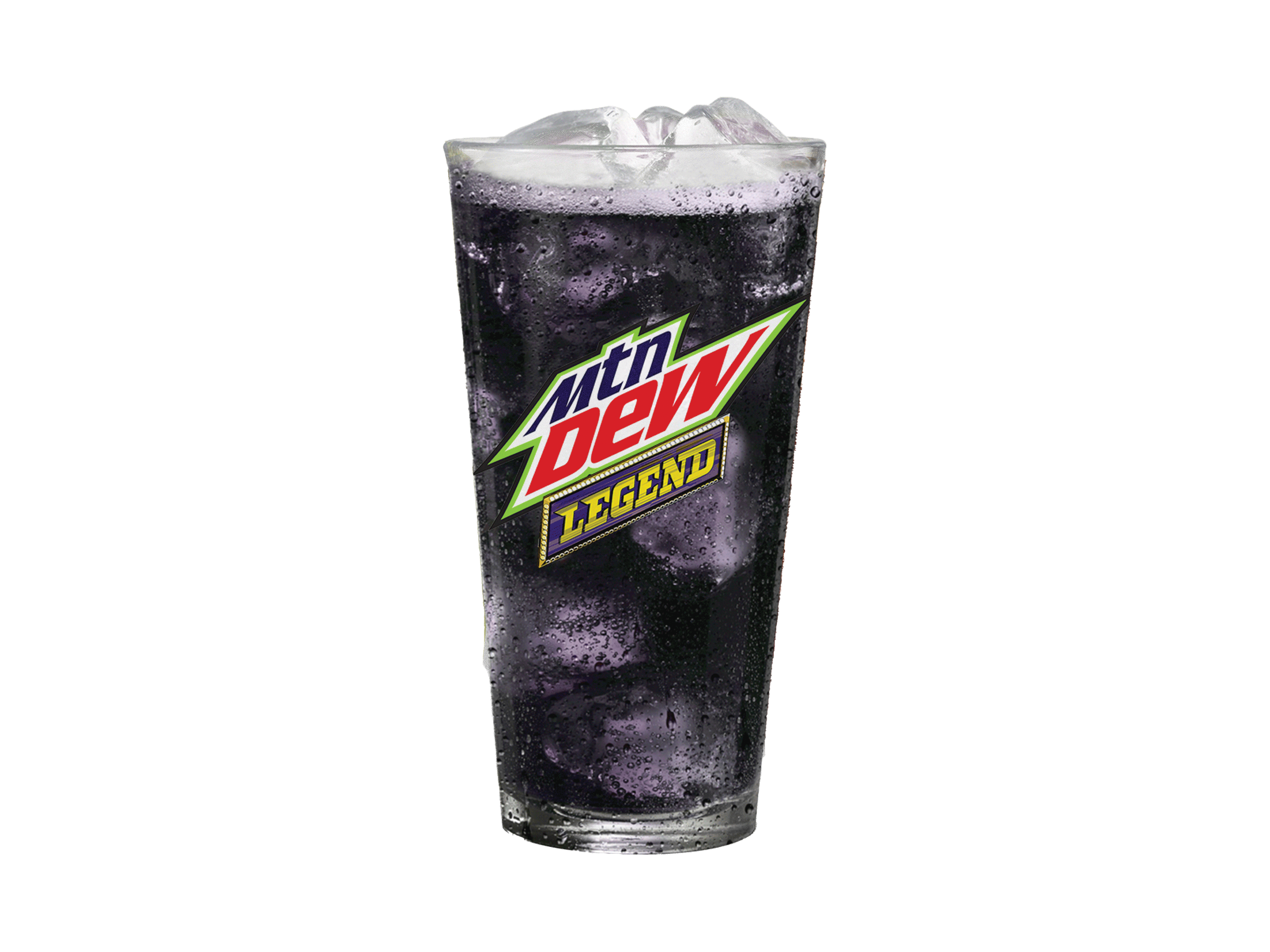
The branding of Mountain Dew Legend is an exercise in continuity and evolution. The logo utilizes the familiar, rugged typography that loyalists associate with the brand, yet it incorporates elements that feel more “nightlife-adjacent.” This is critical for the restaurant environment, where the demographic often leans toward younger adults who are dining in the evenings.
Crafting the “Legend” Narrative
The name “Legend” itself is a stroke of strategic marketing genius. It implies a sense of mythos—an item that has been crafted to be the pinnacle of a flavor journey. This branding strategy avoids the trap of simply calling it a “new flavor.” By branding it as a “Legend,” the marketing copy elevates the drink to a status of importance. It suggests that the flavor is not just a combination of ingredients, but an achievement of the brand’s R&D department.
Integrating Brand Identity into the Customer Journey
Marketing this product doesn’t happen in a vacuum. It is integrated into the menu design, the table signage, and the digital advertising campaigns of Buffalo Wild Wings. When a customer walks into the restaurant, they are greeted by visual cues that highlight Legend as a premium pairing. This type of corporate identity design is crucial because it ensures that the partnership feels intentional. If the product were merely a button on the soda fountain without marketing support, it would fail to achieve its primary objective: driving brand awareness for the specific collaborative effort.
Measuring Success: The Future of Fountain Exclusives
For analysts and brand strategists, the success of Mountain Dew Legend is measured in more than just gallons sold. It is measured in “share of throat”—the amount of space a specific drink occupies in the consumer’s lifestyle—and in the health of the partnership between the manufacturer and the retailer.
Data-Driven Product Development
The success of such an endeavor relies heavily on the feedback loop between the fountain machine’s performance and the restaurant’s operational data. Are customers who order the wings more likely to pair them with Legend? Does the presence of an exclusive drink increase the average check size or the length of time a customer stays in the venue? PepsiCo uses this data to refine future iterations of their brand partnerships, ensuring that every exclusive release is more surgical and effective than the last.
The Long-Term Impact on Market Positioning
Mountain Dew Legend acts as a defensive moat for Buffalo Wild Wings. In a world where food delivery apps and grocery store ready-to-eat meals are encroaching on the dine-in experience, physical restaurants must offer something that cannot be delivered to a doorstep in a cardboard box. An exclusive, proprietary, and uniquely flavored beverage creates a tangible reason for the consumer to occupy a seat in the restaurant.
Furthermore, for PepsiCo, this strategy allows them to keep the Mountain Dew brand at the cutting edge of cultural relevance. It prevents the brand from becoming stagnant by constantly introducing new, limited, or exclusive variants that capture the attention of the media and the consumer alike. As the industry continues to evolve toward more personalized and localized dining experiences, the importance of these collaborative brand identities will only grow.
Conclusion: A New Standard for Brand Strategy
Mountain Dew Legend is more than just a carbonated beverage; it is a tactical tool designed to harmonize brand equity with physical retail environments. By carefully balancing the heritage of the Mountain Dew name with the specific operational and marketing needs of Buffalo Wild Wings, PepsiCo has created a blueprint for future brand collaborations. It demonstrates that in the modern economy, the value of a brand is not just in its logo or its history, but in its ability to adapt, evolve, and provide unique experiences that cannot be commoditized.
As companies look toward the future, the lessons provided by the rollout of Mountain Dew Legend will become increasingly vital. Success in the current landscape requires a deep understanding of consumer psychology, a commitment to product quality, and the strategic foresight to integrate products into environments where they can truly shine. Through this lens, Mountain Dew Legend stands not as a temporary novelty, but as a significant milestone in the evolution of corporate marketing and brand synergy.
aViewFromTheCave is a participant in the Amazon Services LLC Associates Program, an affiliate advertising program designed to provide a means for sites to earn advertising fees by advertising and linking to Amazon.com. Amazon, the Amazon logo, AmazonSupply, and the AmazonSupply logo are trademarks of Amazon.com, Inc. or its affiliates. As an Amazon Associate we earn affiliate commissions from qualifying purchases.