
Mizithra is more than just a culinary ingredient; it is a profound representation of Mediterranean heritage and a testament to the economic ingenuity of pastoral traditions. To understand Mizithra within the context of the business of food—specifically the niche of specialty food marketing and brand positioning—one must look beyond the flavor profile. For food entrepreneurs, restaurateurs, and culinary brand strategists, Mizithra serves as a masterclass in how traditional products can be rebranded, premiumized, and scaled for a global consumer base that increasingly demands authenticity.
The Economic Roots of Mizithra: From Byproduct to Premium Product
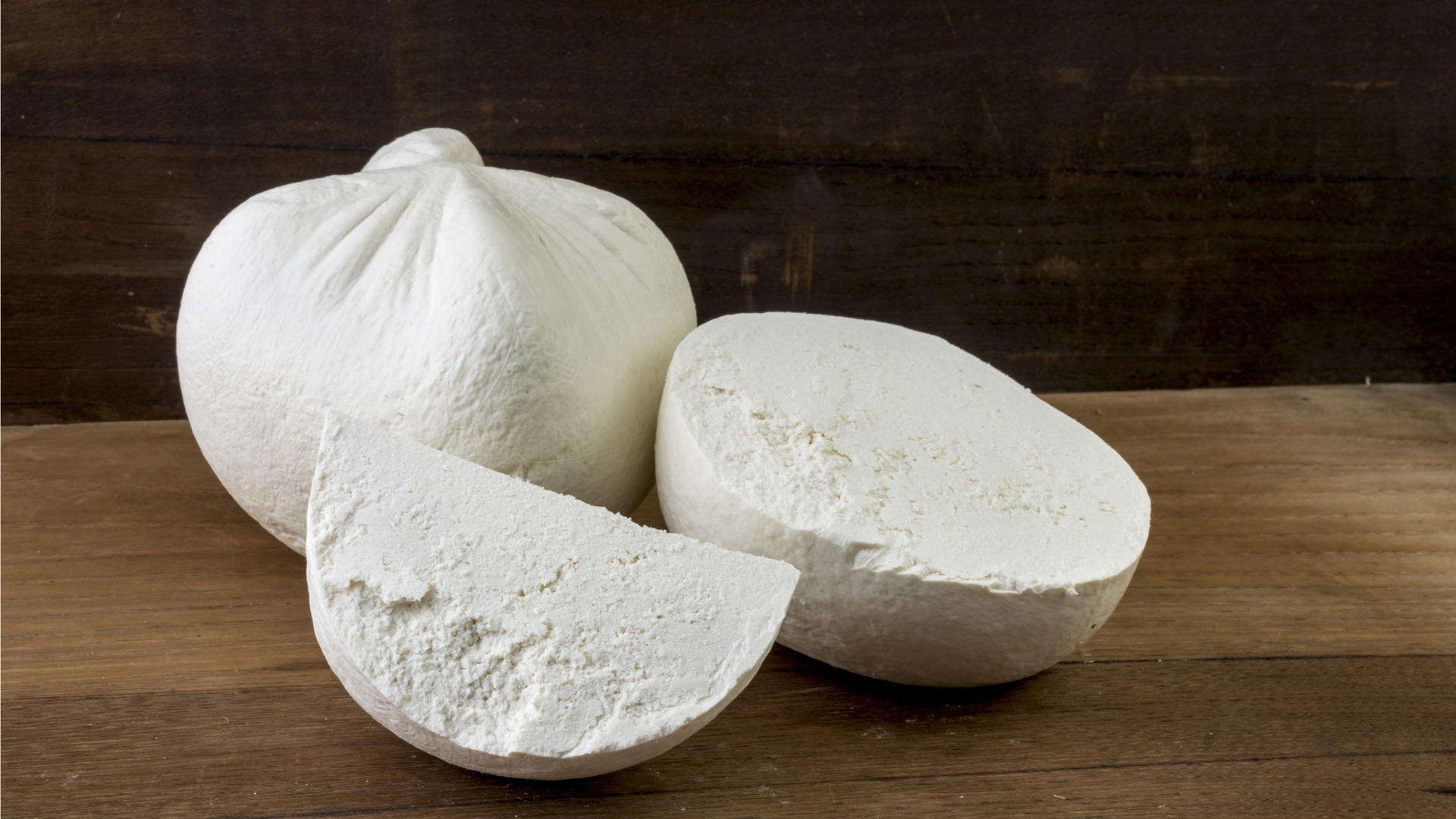
In the broader landscape of the food industry, Mizithra occupies a fascinating position as a “value-added byproduct.” Historically, it was born from the necessity of efficiency in Greek dairies. When cheesemakers produced hard cheeses like Graviera or Kefalotyri, the leftover whey was not discarded; instead, it was processed further to create Mizithra.

From a business standpoint, this is an exemplary model of waste reduction and margin optimization. By repurposing raw materials that would otherwise be classified as production loss, artisans transformed a secondary stream into a high-demand commodity. This historical reality provides a compelling narrative for modern food brands looking to lean into sustainability. Consumers today are actively seeking out brands that utilize “circular economy” practices, and Mizithra’s very existence is built upon that principle. Positioning this cheese in a commercial portfolio allows a brand to tap into the sustainability-conscious market without sacrificing the product’s traditional, premium appeal.
Strategic Sourcing and Supply Chain Integrity
For brands aiming to import or distribute authentic Mizithra, the supply chain is the brand’s most vital asset. Authentic Mizithra, particularly the aged or “xynomizithra” varieties, is deeply tied to regional provenance. In the world of specialty food branding, origin is currency. By establishing direct-to-farm partnerships in regions like Crete or the Peloponnese, distributors move beyond being mere vendors to becoming curators of heritage. This creates a moat around the brand, as competitors selling mass-produced imitations cannot replicate the provenance-backed storytelling that drives consumer trust.
Branding the “Unknown”: Positioning Mizithra in Competitive Markets
Introducing a niche product like Mizithra to a broader audience requires a deliberate brand strategy. The challenge lies in translating a regional staple into a household necessity. When marketing Mizithra, the strategy must pivot between its two distinct forms: fresh (unsalted) and aged (salted/hard).
The fresh variety, soft and creamy, competes in the lucrative “fresh cheese” sector alongside ricotta and mascarpone. However, its distinct lactic tang provides a competitive edge, offering a more complex flavor profile than its generic counterparts. Brands that successfully position Mizithra as a “premium alternative to ricotta” for Mediterranean-inspired recipes leverage the consumer’s existing knowledge while introducing a superior, more artisanal option.
Crafting the Narrative for the Modern Culinary Consumer
Effective branding for Mizithra should focus on “Culinary Elevation.” Instead of selling it as a simple ingredient, marketing campaigns should frame it as a finishing touch. The “aged” variety, often grated over pasta or used in savory pastries, is the perfect vehicle for this strategy.
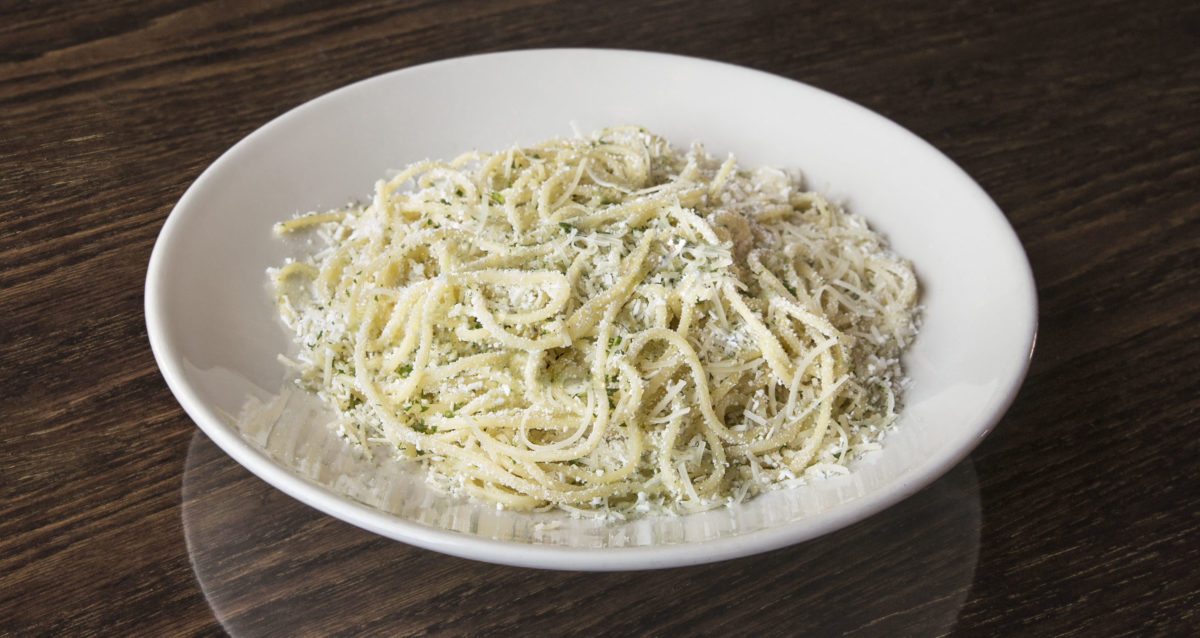
When a brand positions Mizithra as the essential secret ingredient—the “chef’s finish”—it changes the consumer perception from a commodity to an experience. This is a classic psychological pricing tactic: products marketed as “finishing ingredients” command higher margins than those marketed as “cooking bases.” By showcasing how a simple dusting of aged Mizithra elevates a home-cooked meal to a restaurant-quality dish, brands create an aspirational value that drives recurring purchases.
Market Analysis: The Scaling Potential of Niche Dairy
The growth of the global specialty cheese market is largely driven by consumers seeking “exploration through food.” Mizithra sits at the intersection of this trend. For food entrepreneurs looking to capitalize on this, the strategy must be rooted in education-based marketing.
The primary barrier to entry for Mizithra is consumer awareness. If a potential buyer does not know what it is or how it functions in a recipe, they will not buy it. Therefore, successful brands are those that invest in content marketing—demonstrating usage through video tutorials, pairing guides, and collaborations with influencers in the culinary space. This is a high-ROI strategy because it simultaneously educates the consumer and builds brand loyalty through helpful utility.
Digital Expansion and E-commerce Strategy
The rise of niche e-commerce platforms has been a boon for products like Mizithra. Digital shelf space allows a brand to bypass traditional retail gatekeepers, provided the brand can tell its story effectively through high-quality photography and descriptive, search-optimized copy.
A sophisticated digital strategy for a cheese brand involves:
- Content-Rich Product Pages: Moving beyond simple descriptions to include the “story of the whey”—the history, the process, and the specific region of origin.
- Subscription Models: Since Mizithra is a perishable good, implementing a subscription service for home delivery secures consistent recurring revenue—the holy grail of any food business.
- Data-Driven Pairing Recommendations: Using AI-powered recommendation engines to suggest wines, crackers, or specific pasta types to go with the cheese increases the average order value and deepens the user’s engagement with the brand.
The Future of Traditional Products in a Corporate World
As we look toward the future, the integration of artisanal products like Mizithra into larger corporate portfolios will likely continue. The key for investors and food companies is to maintain the “aura” of the artisan while utilizing the distribution power of the corporation.
The risk of scaling such products is the dilution of quality. In the luxury food space, once the perceived quality drops, the brand value erodes rapidly. Therefore, the most successful brands will be those that protect the production integrity of their Mizithra. This might mean maintaining smaller, regional production batches even as the distribution reaches national or international levels. It is a balancing act of volume versus value, where maintaining the “authentic” label is the most important factor in sustaining long-term premium pricing.
Building a Legacy Through Authenticity
Ultimately, the business of Mizithra is a lesson in the power of authenticity. In an era where consumers are bombarded by mass-produced, industrial food products, there is a massive hunger for things that have a story. Whether it is the history of the shepherd’s cottage or the specific microclimate of the Greek island where the milk was collected, these details build a narrative that a generic brand cannot buy.
For professionals in the food industry, Mizithra represents a low-risk, high-reward opportunity to capture the “foodie” market segment. It is a product that is not just edible, but experiential. By treating it with the strategic rigor of a premium brand, businesses can turn a traditional byproduct into a cornerstone of a high-value culinary brand. The success of such a venture lies in the balance of honoring the history of the product while leveraging the tools of modern digital marketing, supply chain efficiency, and consumer-centric branding. In the world of specialty cheese, the story is just as important as the taste, and Mizithra offers a story that is as rich and enduring as the land it comes from.
aViewFromTheCave is a participant in the Amazon Services LLC Associates Program, an affiliate advertising program designed to provide a means for sites to earn advertising fees by advertising and linking to Amazon.com. Amazon, the Amazon logo, AmazonSupply, and the AmazonSupply logo are trademarks of Amazon.com, Inc. or its affiliates. As an Amazon Associate we earn affiliate commissions from qualifying purchases.