
Mastering the grill is the ultimate convergence of art and science, and nowhere is this more evident than in the ability to control heat. While many novice grillers gravitate toward the roaring inferno of high heat to achieve a quick sear, the true mark of a pitmaster lies in their proficiency with medium heat. Understanding how to create, maintain, and utilize medium heat is not just about avoiding burned food; it is about precision cooking, rendering fat, and developing complex flavor profiles through the Maillard reaction without compromising the integrity of your ingredients.
Defining the Temperature Landscape
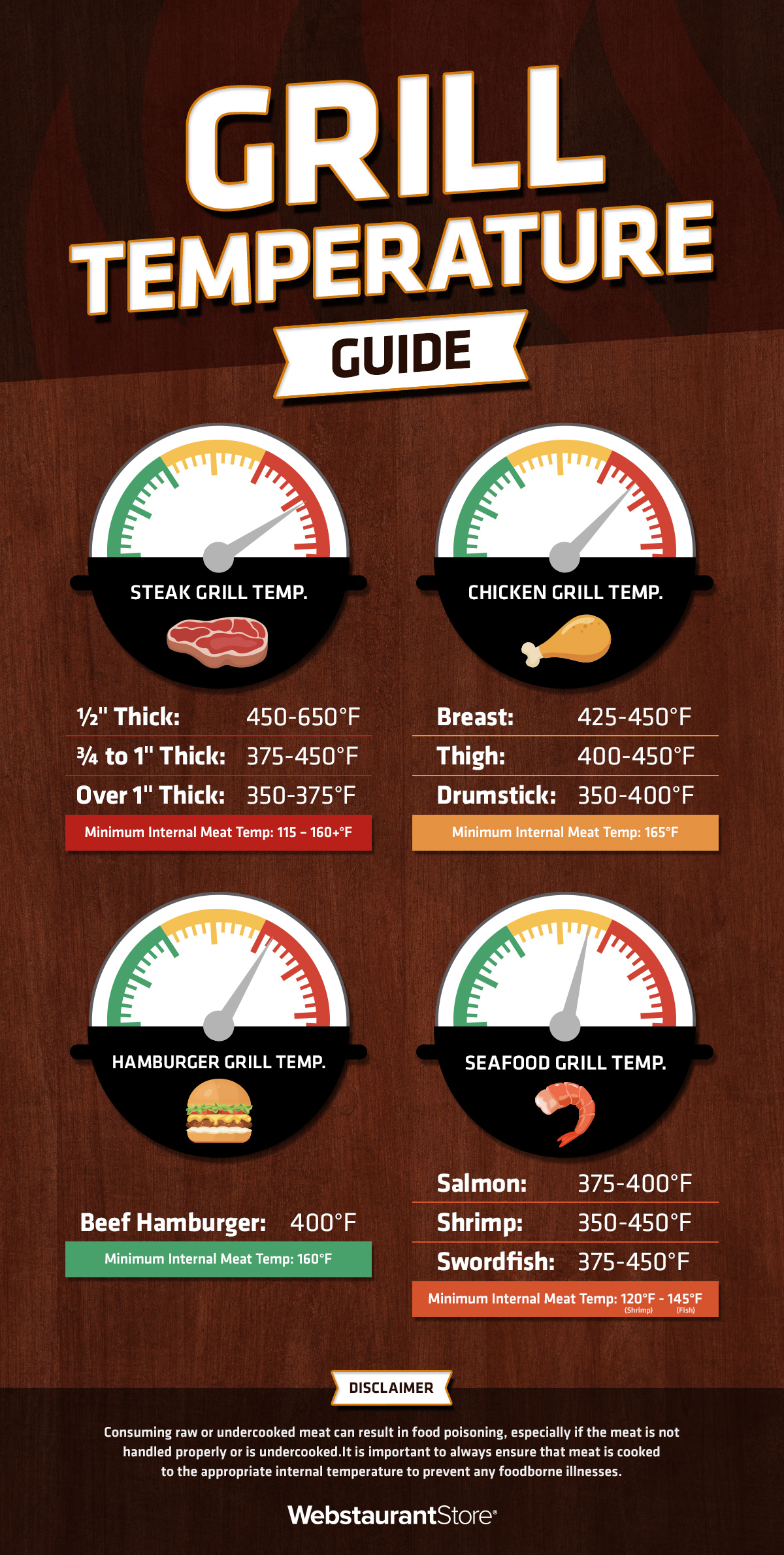
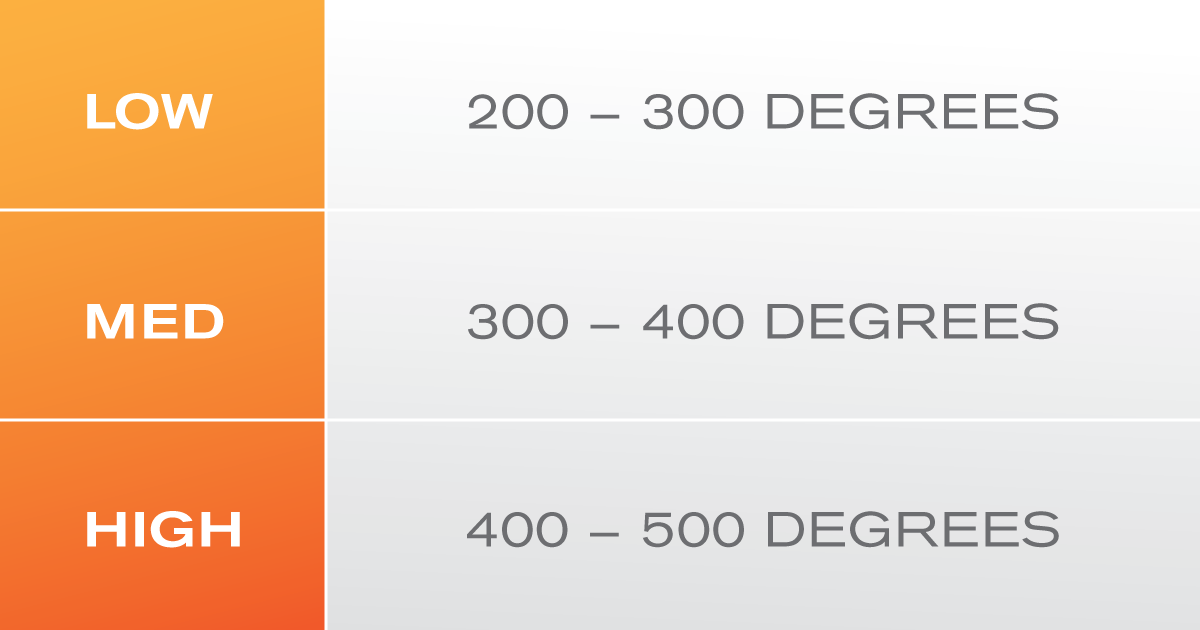
To understand medium heat, one must first establish the framework of grilling temperatures. When we talk about medium heat, we are generally referring to a surface temperature range of approximately 350°F to 400°F (175°C to 205°C).
The Hand Test: A Manual Calibration
Before the ubiquity of digital thermometers, pitmasters relied on the “hand test” to gauge heat levels. To determine medium heat using this traditional method, hold your hand approximately five inches above the cooking grate. If you can hold it there for four to five seconds before the heat becomes unbearable, you are in the medium heat zone. If you have to pull your hand away after two seconds, you are in high-heat territory. If you can hold it for seven seconds, you are at low heat. This technique remains a vital tool for those moments when you are grilling away from the convenience of a modern digital gauge.
Digital Precision
For the professional or the dedicated home chef, digital accuracy is non-negotiable. Whether you are using an infrared surface thermometer pointed directly at the grates or a grate-level probe attached to your smart controller, aiming for the 350°F to 400°F window is the gold standard. This temperature range is high enough to caramelize sugars and sear proteins, but gentle enough to cook items through to the center before the exterior becomes bitter or charred.
The Science of Medium Heat
Why is medium heat often cited as the “sweet spot” for the majority of grilling tasks? The answer lies in the thermodynamics of heat transfer and chemical reactions.
The Maillard Reaction and Caramelization
The Maillard reaction is a chemical process between amino acids and reducing sugars that gives browned food its distinctive flavor. While high heat produces this reaction rapidly, it often happens too quickly, resulting in carbonized, acrid surfaces. Medium heat allows for a more controlled progression of this reaction. It provides sufficient energy to brown the surface beautifully while giving the heat enough time to penetrate the interior of the protein or vegetable, ensuring an even cook from edge to edge.
Rendering Fats and Collagen
Unlike a quick sear, medium heat offers the time necessary for structural changes within the food. If you are grilling a thicker cut of meat, such as a pork chop or a bone-in chicken breast, high heat will incinerate the skin or exterior fat before the inner collagen can break down or the internal temperature can reach safety. Medium heat serves as the ideal environment for “slow-and-steady” cooking, allowing intramuscular fat to render and baste the meat from the inside out, resulting in a juicier, more succulent final product.
Strategic Execution: Gas vs. Charcoal
Achieving and maintaining medium heat requires different strategies depending on whether you are working with a propane grill or a traditional charcoal setup.
The Gas Grill Approach
Gas grills offer the advantage of precision control via dials. To achieve medium heat on a gas grill:
- Ignition: Turn all burners to high for approximately 10 to 15 minutes to preheat the grates and the firebox.
- Adjustment: Once the target temperature is reached, turn all burners down to the medium setting (usually the halfway mark on the knob).
- Zone Cooking: For greater versatility, leave one section of the grill on medium-low and another on medium-high. This creates a thermal gradient, allowing you to move food from a hotter zone to a cooler one if it begins to brown too quickly.
The Charcoal Mastery
Charcoal grilling is inherently more dynamic. Because you cannot simply turn a dial, you must rely on the distribution of your fuel.
- The Two-Zone Method: To create a medium-heat environment on a charcoal grill, arrange your coals in a single layer over only half of the grill’s floor. This leaves the other half of the grate for indirect, lower-heat cooking.
- Coal Density: For a medium heat across the entire surface, spread a single, even layer of lit charcoal across the bottom of the grill. Ensure the coals are ashed over—a gray, powdery coating indicates that the coals have passed their initial flare-up stage and are radiating steady, consistent heat.
- Venting for Control: Use the intake and exhaust vents to regulate the airflow. Closing the vents slightly reduces the oxygen reaching the coals, which lowers the temperature. Opening them wide increases airflow and heat. Mastering the balance of vent position is the ultimate skill in charcoal temperature regulation.
Best Practices for Ingredients
Not all foods benefit from the same temperature, but medium heat is the most versatile setting in your culinary arsenal.
Proteins That Shine at Medium
Items that benefit from medium heat include thicker steaks (1.5 inches or more), bone-in chicken pieces, sausages, and dense fish steaks like swordfish or halibut. Because these items have more mass, they require a sustained, moderate heat source to reach their ideal internal temperature without drying out the exterior. For example, a thick-cut pork chop cooked at 375°F will develop a mahogany crust while remaining tender and juicy throughout.
Vegetable Perfection
Vegetables, such as zucchini, bell peppers, asparagus, and onions, are often subjected to flames that are too intense. Medium heat allows the sugars in vegetables to caramelize thoroughly without the interior becoming mushy or the exterior turning into ash. When grilling vegetables at medium heat, you are essentially roasting them over an open fire, which concentrates their natural flavors and provides a superior texture.
Preventing Flare-Ups
One of the most significant challenges at any temperature is the flare-up caused by fat dripping onto the heat source. At medium heat, flare-ups are easier to manage than at high heat. By keeping your grill clean and trimming excess fat from your proteins, you maintain a stable environment. If a flare-up does occur, move the food to the indirect or cooler side of the grill until the flames subside. Never use water to extinguish a flare-up, as this will create a cloud of ash and steam that will ruin the texture and flavor of your food.

Elevating Your Grill Game
Becoming proficient with medium heat changes your relationship with the grill. It moves you away from the frantic, high-stakes environment of “high-heat searing” and into a more thoughtful, composed style of cooking.
When you prioritize medium heat, you spend less time hovering over the grill in a panic and more time managing the progress of your meal. You gain the ability to incorporate glazes and barbecue sauces without them immediately burning, as the moderate temperature allows them to tack up and create a delicious lacquer rather than a scorched mess.
Ultimately, the mastery of medium heat is about understanding the limitations of your equipment and the needs of your ingredients. It is the middle ground where flavor development and cooking precision meet. Whether you are hosting a weekend gathering or simply preparing a weeknight dinner, treating your grill as an oven with the added benefit of smoke and flame—governed by the consistency of medium heat—will invariably lead to better results, more satisfied guests, and a deeper appreciation for the culinary craft. Take the time to calibrate your grill, monitor your temperatures, and embrace the power of the middle ground. Your food will reward you for it.
aViewFromTheCave is a participant in the Amazon Services LLC Associates Program, an affiliate advertising program designed to provide a means for sites to earn advertising fees by advertising and linking to Amazon.com. Amazon, the Amazon logo, AmazonSupply, and the AmazonSupply logo are trademarks of Amazon.com, Inc. or its affiliates. As an Amazon Associate we earn affiliate commissions from qualifying purchases.