
When analyzing the beverage market through the lens of brand strategy and consumer perception, few products illustrate the power of differentiation as effectively as coconut water and coconut milk. To the uninitiated consumer, these two liquids—both derived from the same botanical source—might seem interchangeable. However, from a corporate identity and market positioning standpoint, they occupy entirely different segments of the grocery ecosystem. Understanding the nuance between these two products is not merely a lesson in nutrition; it is a masterclass in how brands leverage product characteristics to target specific consumer needs and lifestyle demographics.
The Production Dichotomy: Defining the Brand Identity
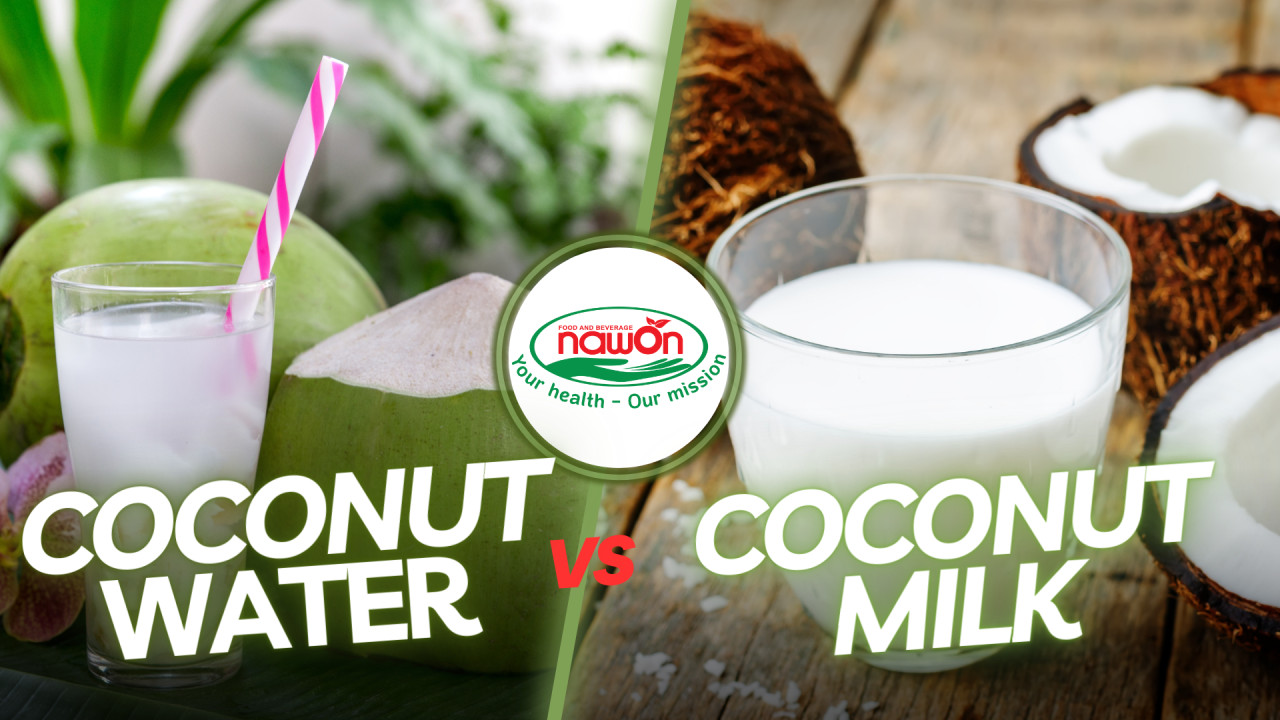
At the foundational level, the divergence between coconut water and coconut milk is a matter of origin and extraction, which directly dictates the brand’s value proposition. Coconut water is the clear, electrolyte-rich liquid found inside young, green coconuts. It is essentially nature’s ready-to-drink functional beverage. Conversely, coconut milk is a processed product, created by grating the white meat of a mature brown coconut, soaking it in hot water, and then straining the mixture to produce a creamy, high-fat emulsion.
From a brand strategy perspective, these distinct production methods serve as the “Product” pillar in the traditional marketing mix. Coconut water is positioned as an “all-natural” harvest, emphasizing purity, hydration, and an active lifestyle. Its brand narrative is built on simplicity and transparency. Coconut milk, by contrast, is positioned as a “culinary solution.” It is the base for curries, soups, and desserts. The marketing narrative here shifts from performance and health to versatility, richness, and gastronomic inspiration. By leveraging these inherent differences, brands can effectively segment their audiences—targeting the marathon runner with coconut water and the home cook with coconut milk.
Positioning in the Competitive Marketplace
The competitive landscape for these products highlights a brilliant execution of category management. Coconut water brands—such as Vita Coco or Zico—have historically fought for shelf space alongside sports drinks and enhanced waters. Their strategic intent is to disrupt the beverage aisle by framing their product as a “healthier” alternative to synthetic electrolytes. The branding here relies on sleek packaging, endorsements by wellness influencers, and a value proposition centered on recovery and replenishment.
Coconut milk brands operate in a different sector entirely. In many retail environments, coconut milk is bifurcated into two specific sub-categories: culinary coconut milk (canned, high fat) and plant-based dairy alternatives (carton, fortified). The latter is a direct competitor to almond, soy, and oat milk. The branding for plant-based coconut milk is focused on inclusivity—marketed to the lactose-intolerant, the vegan, and the environmentally conscious consumer. This strategic alignment allows coconut milk to secure a permanent spot in the “dairy-free” section of the store, effectively capturing recurring revenue from consumers who have moved away from traditional cow’s milk.
Visual Identity and Packaging Psychology
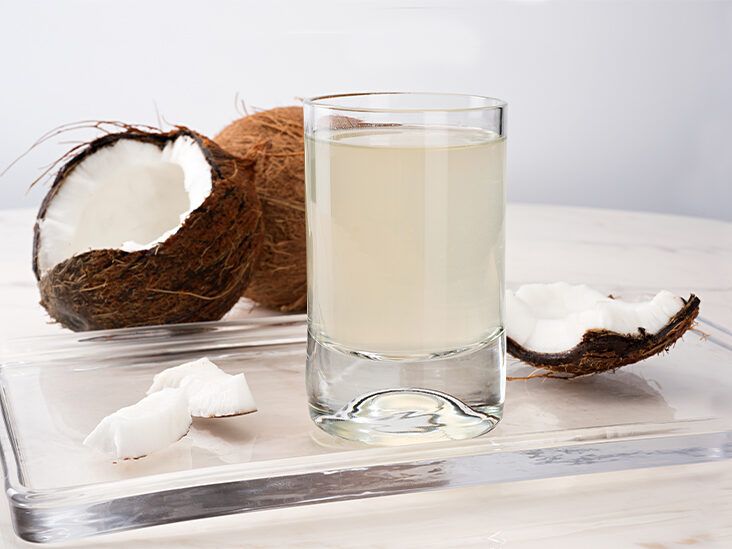
The design language used for these two products reveals a conscious effort to guide consumer behavior. Coconut water packaging typically utilizes cool tones—blues, greens, and whites—to evoke a sense of freshness and hydration. The clear, minimalist branding suggests that the product is light, clean, and unadulterated.
In contrast, coconut milk packaging leans heavily into warm, vibrant imagery. Canned coconut milk often features deep oranges, yellows, and imagery of exotic dishes, signaling flavor, depth, and cultural authenticity. For the shelf-stable cartons of coconut beverage, the aesthetic shifts to mimic dairy, using clean typography and imagery of creamy splashes to reassure the consumer of the product’s texture and mouthfeel. This intentional use of semiotics ensures that the customer understands the intended use case within seconds of making eye contact with the product on the shelf.
Consumer Psychographics and Behavioral Targeting
To understand why a consumer reaches for one over the other, one must examine the psychographics associated with each product. The coconut water consumer is typically driven by “functional wellness.” They are looking for a quick fix for dehydration or a natural energy boost. Their buying decision is based on a desire for convenience and clean-label verification. Brands that excel here emphasize “zero added sugar” and “electrolytes” on their packaging, signaling to the consumer that they are making an intelligent, health-conscious choice.
The coconut milk consumer is driven by “lifestyle integration.” Whether they are using it to cook a Thai green curry or adding it to their morning coffee, they are looking for functional utility in the kitchen. Their purchasing habits are tied to meal planning and dietary restrictions. Here, the brand strategy revolves around education. Brands spend significant resources providing recipes and usage guides, understanding that their success is tied to the consumer’s ability to seamlessly integrate the product into their established cooking routines. This is a classic example of “usage-based” marketing, where the brand provides the tools to solve a specific problem—how to make a meal dairy-free or richer—thereby building long-term brand loyalty.
Financial Viability and Market Outlook
From an investment and business finance perspective, the two products occupy distinct rungs of the value chain. Coconut water is a high-volume, high-turnover consumer packaged good (CPG). The margins are often compressed due to intense competition and the high costs of sourcing and shipping fresh coconuts from tropical regions. However, the sheer size of the “hydration” market offers significant scaling potential for large beverage conglomerates.
Coconut milk, particularly in the plant-based dairy sector, represents a more stable, recurring revenue stream. As the global transition toward plant-based diets continues, the “milk alternative” category has seen consistent year-over-year growth. For a company, coconut milk acts as a portfolio diversifier. It allows a brand to mitigate the risks associated with the volatility of the sports-drink market by tapping into the steady demand of the home-cooking and coffee-shop industries.
Furthermore, the rise of “premiumization” has impacted both sectors. We now see artisanal, cold-pressed coconut water targeting the high-end boutique fitness market, while premium organic coconut creams target the luxury culinary segment. Both approaches utilize a similar brand strategy: elevating the commodity product to a status symbol, allowing for higher price points and increased brand equity.

The Power of Product Differentiation
Ultimately, the difference between coconut water and coconut milk serves as an instructive case study for anyone involved in brand management. It proves that even when two products share a common source, the narrative, the visual language, and the target demographic can—and should—be radically different.
Coconut water is marketed as a personal wellness companion, a clean-label beverage designed to optimize the individual. Coconut milk is marketed as a communal culinary tool, an essential ingredient designed to enhance the experience of food. By maintaining this clear distinction, brands have successfully captured two separate slices of the consumer’s lifestyle. For the savvy marketer, the lesson is clear: your product’s identity is not defined by what it is, but by the specific need it solves and the story you choose to tell about its purpose in the consumer’s life. As the market for plant-based products continues to expand, the companies that will win are those that most effectively articulate these distinct identities, ensuring the consumer knows exactly which coconut product fits their current need, whether they are reaching for a post-workout recovery drink or a secret ingredient for dinner.
aViewFromTheCave is a participant in the Amazon Services LLC Associates Program, an affiliate advertising program designed to provide a means for sites to earn advertising fees by advertising and linking to Amazon.com. Amazon, the Amazon logo, AmazonSupply, and the AmazonSupply logo are trademarks of Amazon.com, Inc. or its affiliates. As an Amazon Associate we earn affiliate commissions from qualifying purchases.