
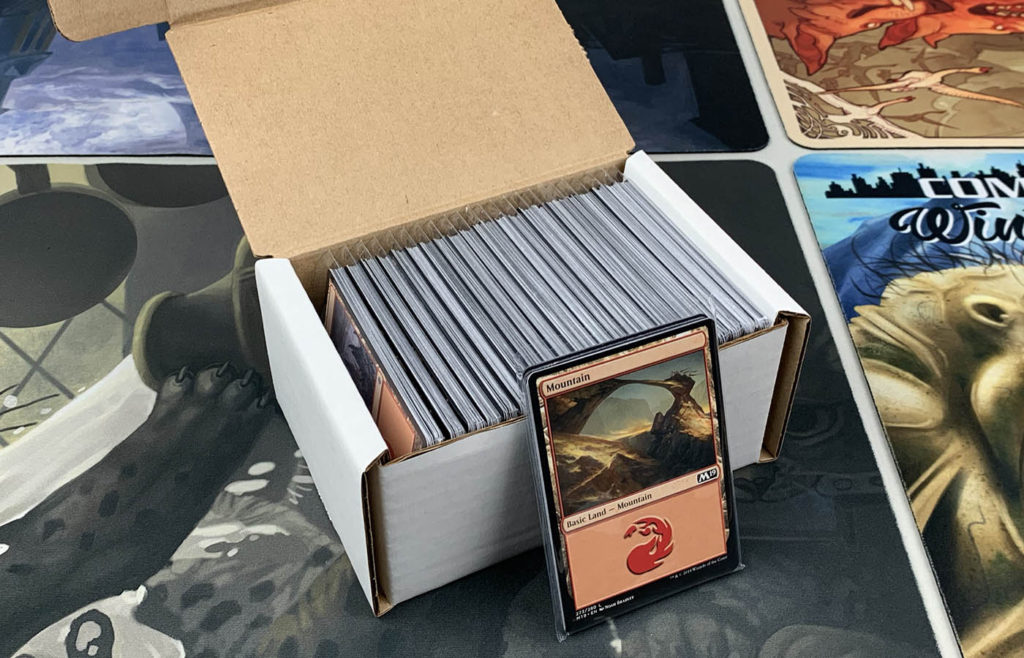
In the vast ecosystem of Magic: The Gathering, the Cube format represents the pinnacle of curation, design, and strategic depth. While standard formats like Commander or Modern rely on purchasing pre-constructed decks or building around the shifting metas of set releases, Cube is a self-contained, limited-environment format. It functions as a personalized “set” that an owner builds, maintains, and drafts repeatedly. For those who view Magic through the lens of resource allocation, asset management, and high-stakes collection building, Cube is the ultimate endgame. It is a hobby that bridges the gap between sophisticated game design and long-term financial strategy.
The Economics of Curated Collections
From a financial perspective, a Cube is a significant capital investment. Unlike a deck built for a tournament that may lose relevance when a ban list updates or a set rotates, a high-quality Cube is a living asset. The value of a Cube is derived not just from the individual price of the cards included—often featuring high-value staples, “Power Nine” variants, or rare foils—but from the synergy and playability of the environment itself.
Managing Your Card Asset Portfolio
Building a Cube requires a keen understanding of market trends and card valuation. Owners must treat their collection like a portfolio, balancing “blue-chip” staples like Mana Crypt or Fetch Lands with utility cards that maintain their value due to constant demand. Unlike trading cards for a single deck, Cube owners are essentially managing a small, liquid business. When a card in your Cube spikes in value, you are holding an appreciating asset that you simultaneously utilize for utility. This creates a unique dynamic where the barrier to entry is high, but the long-term utility is unmatched by any other format in the game.
Liquidity and Depreciation
One of the most attractive aspects of Cube from a fiscal standpoint is its liquidity. Because Cube cards are generally high-demand staples, they are among the most liquid assets in the TCG marketplace. If an owner decides to pivot their collection or “cash out,” they are not left with a pile of obsolete cards that have rotated out of Standard play. They hold a repository of format-agnostic powerhouses that remain sought after by players across the globe. This inherent value retention makes Cube one of the few “investments” in gaming that actually serves a recreational purpose while holding onto its baseline monetary worth.
Strategic Design: The Architecture of an Environment
Designing a Cube is essentially an exercise in product management. A successful Cube must be balanced, engaging, and scalable. Much like a business strategy, the design phase involves defining the objective, identifying the target audience (the players), and iterating based on performance metrics (draft data and player feedback).
Balancing the Ecosystem
The core of a Cube is its “Draftability.” If the environment is too chaotic, the game ceases to be fun. If it is too rigid, it loses replayability. Designers must treat their card pool like an economy. If one color (e.g., Blue) is objectively stronger than the others, it creates a market imbalance. Players will gravitate toward that “product,” making other options worthless. Maintaining color balance and power parity is the “market regulation” of your Cube. It ensures that every session feels fresh and that the “currency” (the cards chosen in the draft) remains competitive.
Iterative Improvement and Market Fit
A Cube is never truly “finished.” It is subject to constant optimization. When a new set is released, the Cube owner acts as a curator, analyzing new cards to determine if they provide better utility than the existing stock. Does this new creature card provide more “ROI” for a red-aggro archetype than the current one? Is the mana curve optimized to ensure that every player has a viable path to victory? This process of constant refinement—often referred to as “tuning”—is essentially A/B testing on a game-design level. By tracking which archetypes are consistently underperforming, the owner can adjust the card list to force the meta toward equilibrium.

The Social and Professional Value of Hosting
Beyond the raw financial or design elements, Cube offers unique networking potential. For many, Cube is a centerpiece for building community. Hosting a Cube draft is akin to organizing a high-level masterclass in strategy. It attracts players who value high-level decision-making over mindless spending on “pay-to-win” decks.
Networking through Play
In the professional world, we often talk about “value-add” interactions. A Cube night is exactly that. It brings together a group of people who are likely interested in similar analytical or strategic pursuits. The environment encourages collaboration, negotiation, and long-term thinking. Whether played among friends, colleagues, or within a larger gaming club, the social capital generated through a well-run Cube is immense. It positions the owner as the authority on the game, the curator of a premium experience, and the facilitator of meaningful connection.
Scaling the Experience
Many Cube owners eventually transition from casual hosts to community leaders. Some leverage their Cube collections to run local tournaments or draft events, creating a localized economy. This can involve entry fees, prize pools, or even rental models for those looking to experience a high-tier environment without the upfront investment of buying the cards. By managing the “logistics” of a draft night—ensuring the supply of sleeves, playmats, and draft materials—the owner learns the practical skills of event management and service delivery.
Maximizing Your Return on Investment
For those serious about the Cube format, the objective is to maximize the “fun-per-dollar” ratio. This requires a disciplined approach to collection building.
Strategic Acquisition
Avoid the trap of “hype buying.” Just as in the stock market, buying into a new card when it is at its peak price is a recipe for losing equity. Cube owners should utilize market tools—price trackers, historical data, and release calendars—to acquire cards when their value is suppressed. Often, the best time to acquire a staple for your Cube is during a rotation, a reprint, or a lull in competitive play. By treating your Cube as a long-term acquisition strategy, you can build a formidable environment at a fraction of the cost of those who panic-buy the latest “chase” cards.
The Power of Proxies vs. Authenticity
There is a fierce debate in the community regarding “proxy” (non-authentic or printed) cards. From a financial management perspective, this is a decision of resource allocation. If your goal is to experience the highest form of gameplay without tying up thousands of dollars in cardboard, proxies are a valid financial strategy. They allow you to test an environment’s viability before committing to the purchase of high-value assets. However, if your Cube serves as a store of value, authentic cards remain the gold standard. Decide early if your goal is the experience of the game (the strategy/niche) or the preservation of wealth (the collection/asset).

Conclusion: The Ultimate Format
Cube MTG is the intersection of high-level hobbyism and strategic asset management. It demands more from its participants than almost any other format, requiring a deep knowledge of game theory, market volatility, and community engagement. It is not just about playing cards; it is about crafting a world. For the player who thrives on efficiency, curation, and the satisfaction of building something lasting and valuable, there is no format that rewards the effort as thoroughly as Cube. Whether you are building your first collection or maintaining a master-tier environment, you are engaging in a sophisticated project that will pay dividends in both social connection and personal fulfillment for years to come.
aViewFromTheCave is a participant in the Amazon Services LLC Associates Program, an affiliate advertising program designed to provide a means for sites to earn advertising fees by advertising and linking to Amazon.com. Amazon, the Amazon logo, AmazonSupply, and the AmazonSupply logo are trademarks of Amazon.com, Inc. or its affiliates. As an Amazon Associate we earn affiliate commissions from qualifying purchases.