
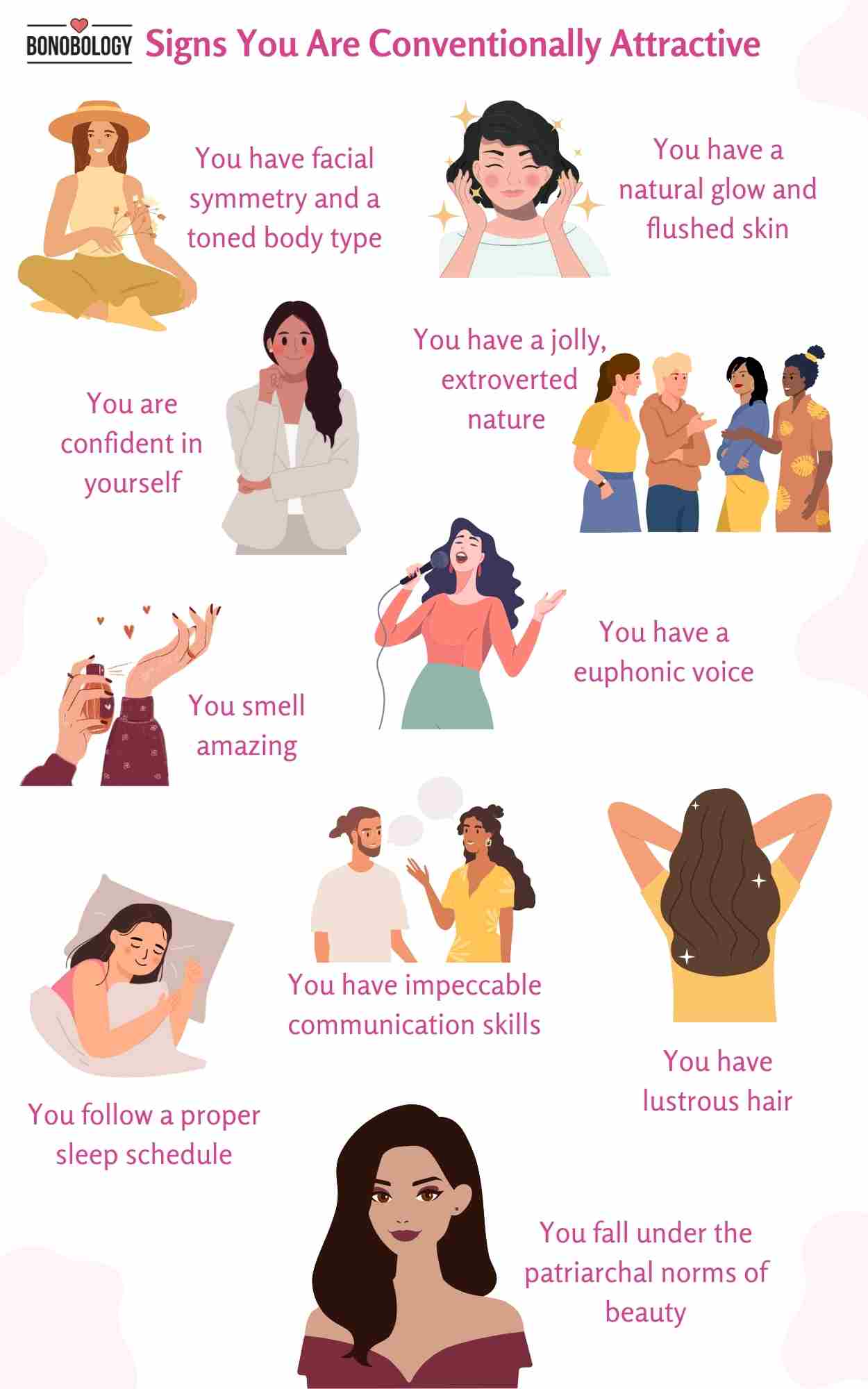
The concept of “conventional attractiveness” functions as a powerful, albeit invisible, currency in the world of personal branding and corporate identity. While the subjective nature of beauty is often celebrated in art and philosophy, the marketplace operates on a different set of empirical patterns. In professional settings, conventional attractiveness—defined as a set of aesthetic traits that align with prevailing cultural norms—acts as a non-verbal heuristic, influencing how individuals are perceived, valued, and positioned within a competitive landscape. Understanding this phenomenon is essential for professionals and brands aiming to cultivate a deliberate public image.
The Psychology of the Halo Effect in Branding
At the core of conventional attractiveness lies the “halo effect,” a cognitive bias wherein the perception of one positive trait leads observers to assume other positive traits are also present. In the context of personal branding, this means that individuals who adhere to conventional beauty standards are often subconsciously ascribed higher levels of competence, intelligence, and trustworthiness.
The Role of Aesthetic Symmetry
Human evolutionary psychology has long associated facial symmetry and balanced proportions with health and genetic fitness. In professional branding, this translates into a preference for structured, clean, and harmonious visual communication. Whether it is the layout of a personal portfolio or the grooming standards of an executive, the brain interprets symmetry as a signal of order and reliability. Brands that leverage these aesthetic principles often experience higher conversion rates because they remove the cognitive friction associated with perceived disorder.
The Power of Conformity and Familiarity
Conventional attractiveness is, by definition, the average. It represents the “mean” of what a society deems desirable at a given time. Because the human brain is wired to find comfort in the familiar, conventional aesthetics create an immediate sense of ease. When a personal brand aligns with these established norms, it lowers the barrier to entry for the audience. By occupying the space of “conventional,” one minimizes the risk of polarizing the target demographic, making it easier to build broad-based rapport.
The Aesthetics of Authority: Professional Presentation
In the corporate world, conventional attractiveness is frequently conflated with professional excellence. This is not necessarily a reflection of inherent talent, but rather a reflection of the “signal-to-noise” ratio in communication. A brand that presents itself through a lens of conventional attractiveness is often perceived as having higher executive presence.
Visual Consistency and Brand Identity
Corporate identity is rarely about chaotic innovation; it is about controlled, intentional design. A professional’s personal brand—what they wear, how their headshots are styled, and the design language of their digital footprint—acts as a visual shorthand for their work ethic. High-contrast, well-lit, and minimalist aesthetics are currently considered the “conventional” standard for high-status professionals. By adopting these visual markers, individuals position themselves as members of a specific professional class, signaling that they understand the implicit rules of the game.

The Impact of Grooming and Style
Beyond natural features, grooming is the most actionable component of conventional attractiveness. In professional branding, grooming is a form of risk management. It signals an attention to detail and a respect for the cultural context of the workplace. When an individual maintains a style that is polished, current, and consistent with the expectations of their industry, they are essentially curating a brand identity that emphasizes stability and readiness. This is why “business professional” attire remains a fixture—it is the conventional standard that has been optimized for perceived authority.
The Economics of Attractiveness in Marketing
Marketing is the art of influencing perception, and conventional attractiveness is one of the most efficient tools in the marketer’s arsenal. When brands utilize imagery that aligns with societal ideals of beauty, they are tapping into a pre-existing emotional resonance that bypasses logical skepticism.
Leveraging Beauty to Lower Acquisition Costs
There is a clear economic incentive for brands to associate their products with conventional beauty. When a target audience views an advertisement featuring a model or spokesperson who embodies conventional attractiveness, they are more likely to experience a “transfer of sentiment.” The positive emotions elicited by the aesthetic appeal of the person are projected onto the product itself. This lowers the psychological cost of the sale, as the customer feels they are buying into an elevated state of existence, rather than a mere commodity.
The Trap of Homogenization
While conventional attractiveness is a reliable path to broad appeal, it presents a significant branding risk: the trap of homogenization. If every brand and every professional adopts the same standard of beauty, the marketplace becomes a sea of “sameness.” In highly saturated niches, conventional attractiveness can eventually become a liability. When every competitor looks identical, the consumer’s brain ceases to pay attention. This is where strategic disruption comes into play. Elite branding experts understand that while one must understand the conventional, true market leadership often requires a calculated departure from it—a move that maintains professional standards while adding a “pattern interrupt” to capture attention.
Navigating the Ethics of Image Management
Because conventional attractiveness carries such heavy weight in career advancement and market success, the pressure to conform can be immense. For those managing a personal brand, this raises ethical questions regarding authenticity versus performance.
Performance vs. Authenticity
A brand is, by its very nature, a curated experience. It is not a complete record of a person’s life, but a selection of highlights designed to achieve a goal. Engaging with conventional attractiveness is a decision to prioritize effective communication over total transparency. As long as the aesthetic performance does not contradict the underlying quality of the product or service, it is considered a legitimate marketing strategy. The challenge for the modern professional is to inhabit the “conventional” space enough to be taken seriously, while maintaining enough unique identity to remain memorable.

Designing for Longevity
Finally, the definition of “conventional” is a moving target. What was attractive in the 1980s or 1990s—in terms of corporate branding—is significantly different from what is considered attractive in the current digital-first era. An effective brand strategy must be agile enough to evolve with the times. Relying too heavily on a rigid definition of attractiveness will eventually lead to irrelevance. Brands that stand the test of time are those that understand the fundamental principles of symmetry, clarity, and authority, while updating the aesthetic “packaging” to suit contemporary cultural preferences.
By analyzing the intersection of biology, psychology, and market trends, it becomes clear that conventional attractiveness is not just a social construct—it is a sophisticated branding tool. When harnessed intentionally, it functions as a bridge, connecting the individual or organization to the audience with minimal friction. The key to mastering this element of branding lies in the balance between meeting expectations and providing enough distinction to command long-term loyalty. The most successful brands do not just look good; they look “right” to the specific audience they are meant to influence.
aViewFromTheCave is a participant in the Amazon Services LLC Associates Program, an affiliate advertising program designed to provide a means for sites to earn advertising fees by advertising and linking to Amazon.com. Amazon, the Amazon logo, AmazonSupply, and the AmazonSupply logo are trademarks of Amazon.com, Inc. or its affiliates. As an Amazon Associate we earn affiliate commissions from qualifying purchases.