
Congestive Heart Failure (CHF) is a complex medical condition that presents significant challenges for canine health. While often discussed in clinical veterinary terms, from a financial perspective, managing a chronic condition of this magnitude requires a strategic approach to personal finance, long-term budgeting, and the optimization of pet-related expenditures. For dog owners, understanding the fiscal implications of CHF is as critical as understanding the biological ones, as the cost of diagnostic testing, specialty medications, and emergency interventions can escalate rapidly.
The Financial Impact of Chronic Canine Care
When a veterinarian delivers a diagnosis of Congestive Heart Failure, the conversation often shifts quickly from prognosis to budget. The financial landscape of managing a heart condition in a dog involves several layers of expenses that can strain a household’s liquid assets if not managed through a proactive financial strategy.

The Cost of Diagnostic Precision
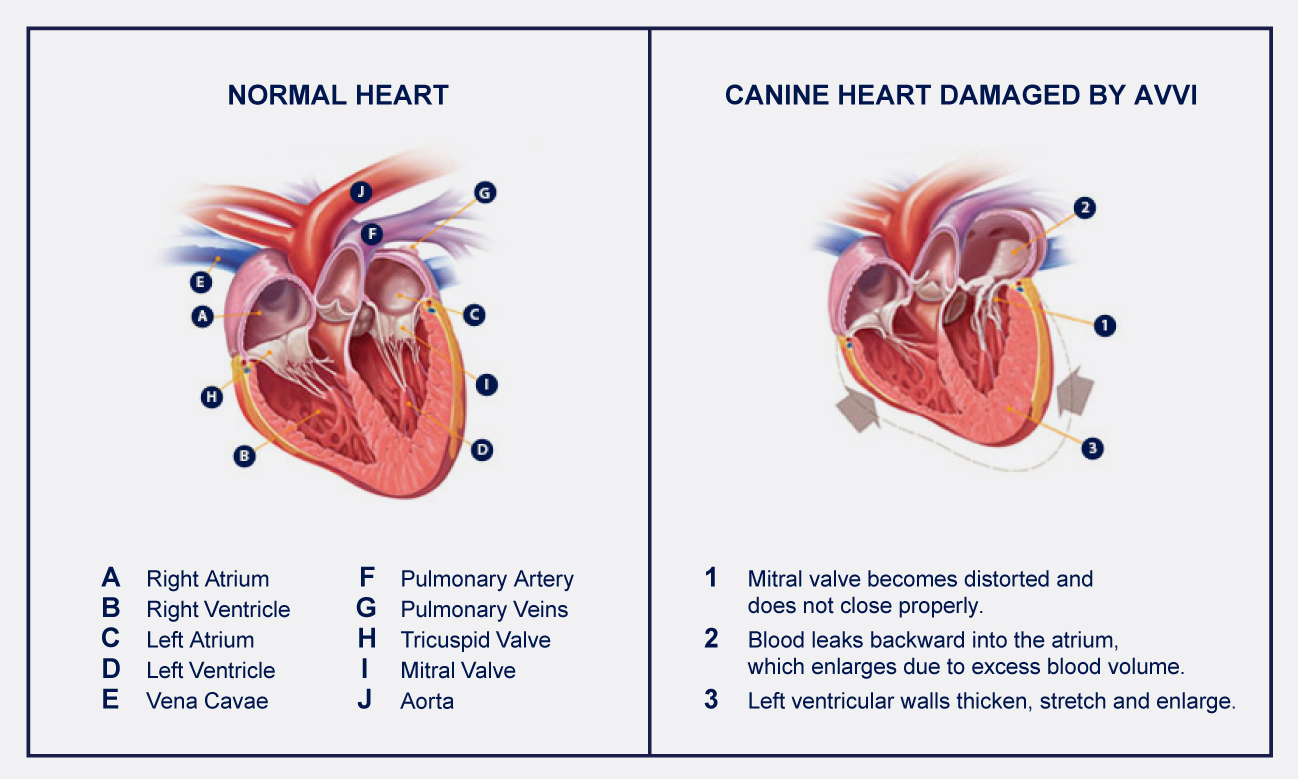
Initial diagnosis often requires a “gold standard” approach. To accurately stage the severity of the heart failure, veterinarians rely on thoracic radiographs, electrocardiograms (ECG), and, most importantly, echocardiograms. These diagnostic tools are essential for determining the specific type of heart disease—such as Mitral Valve Disease or Dilated Cardiomyopathy—but they are also high-ticket items. An echocardiogram performed by a board-certified veterinary cardiologist can range from $500 to over $1,000 per session. Establishing an emergency fund specifically designated for veterinary diagnostics is a common best practice in personal financial planning for pet owners.
Recurring Pharmaceutical Expenditures
CHF is a chronic condition, meaning it is managed rather than cured. The prescription regimen typically includes diuretics like furosemide, ACE inhibitors, and inotropic agents like pimobendan. Pimobendan, while highly effective, is a significant ongoing expense. Over the lifetime of a dog, these pharmacy costs can add up to thousands of dollars. Savvy owners often look into compounding pharmacies or wholesale veterinary supply programs to mitigate these costs, effectively treating the pet’s medical care as a line item in their monthly household budget rather than an incidental expense.
Strategic Budgeting and Insurance Integration
Managing the high costs of CHF requires a transition from reactive spending—where money is pulled from savings during a crisis—to proactive financial risk management. This involves leveraging financial tools and insurance products to buffer against the volatility of unpredictable health outcomes.
The Role of Pet Health Insurance
The timing of pet insurance is the single most important factor in the financial viability of treating CHF. Because heart conditions are typically classified as “pre-existing” by insurance providers, securing a policy before the diagnosis is the only way to ensure coverage for chronic medication and specialty care. For those who already have coverage, the strategy shifts to maximizing the policy benefits. Understanding the deductible structure, reimbursement percentages, and annual caps of an existing policy is essential to preventing “out-of-network” financial shocks.
Establishing a Dedicated Veterinary Sinking Fund
For dog owners whose pets are already diagnosed or who do not have insurance, a “sinking fund” approach is the most effective way to handle the inevitable costs of CHF. By allocating a fixed monthly amount into a high-yield savings account, owners create a self-insurance mechanism. This removes the emotional burden of financing sudden changes in medication dosages or unexpected hospital stays. When the veterinary bill arrives, it is paid from a pre-funded vehicle rather than forcing a liquidation of long-term investments or relying on high-interest credit cards.
Economic Value and Long-Term Asset Management
In the realm of personal finance, a pet is often viewed as a “depreciating asset” from a purely accounting standpoint, but the reality for most owners is that the dog represents a significant emotional investment that requires a sustainable financial framework. Balancing the cost of high-quality care with other financial goals—such as retirement contributions or mortgage payments—is a delicate act of triage.
Evaluating Veterinary Options
There is a significant price delta between general practitioners and veterinary cardiologists. While the specialist is often necessary for the initial staging of CHF, many owners find they can optimize their budget by utilizing the specialist for high-level diagnostics and treatment planning, while relying on their primary veterinarian for routine blood work and medication refills. This “hybrid” approach to veterinary care can result in substantial savings without compromising the standard of care provided to the animal.
The Opportunity Cost of Care
Owners must also factor in the “time value of money” when choosing between aggressive, expensive surgical interventions—such as mitral valve repair, which is available at only a few specialized centers—and palliative pharmacological management. These surgeries can cost upwards of $30,000 to $50,000. When making these decisions, it is vital to analyze the financial impact against the owner’s overall financial health. Consulting with a financial advisor about how such large, one-time expenditures affect long-term goals is a prudent step that is rarely discussed in veterinary circles but is common in high-stakes financial planning.
Mitigating Financial Risk Through Preventive Health
While CHF is often genetic or age-related, the financial burden can be somewhat mitigated through early intervention and consistent monitoring. Financial risk management in pet ownership is largely about avoiding the catastrophic costs associated with “crash” hospitalizations.
The ROI of Routine Monitoring
The most expensive aspect of CHF is the emergency visit—the late-night trip to the ER because a dog is in respiratory distress. These visits are the “black swan” events of pet finance. By investing in routine blood pressure checks and monitoring respiratory rates at home, owners can often detect the onset of fluid accumulation early. Adjusting medication dosages based on early warning signs is significantly cheaper than a three-day stint in an oxygen cage. From a financial perspective, monitoring is a low-cost, high-return activity that protects the owner from the volatility of emergency-room pricing.

Supply Chain Management for Owners
Finally, the cost of managing CHF is susceptible to supply chain fluctuations. Pimobendan and other critical drugs are subject to market demand. Astute owners manage their “inventory” by staying ahead of refill cycles, utilizing three-month prescriptions when possible to minimize the impact of fluctuating dispensing fees, and comparing the pricing between local pharmacies and online veterinary retailers. Treating these health supplies with the same procurement mindset used in business operations can lead to double-digit percentage savings over the course of a year.
In conclusion, while Congestive Heart Failure in dogs is a medical diagnosis, the management of the disease is a financial exercise. By applying principles of risk management, strategic budgeting, and systematic procurement, pet owners can provide the care their companions deserve without compromising their own financial stability. Navigating the cost of CHF is not merely about finding the cheapest path; it is about allocating resources efficiently to ensure the longest, highest-quality period of care possible within a sustainable framework.
aViewFromTheCave is a participant in the Amazon Services LLC Associates Program, an affiliate advertising program designed to provide a means for sites to earn advertising fees by advertising and linking to Amazon.com. Amazon, the Amazon logo, AmazonSupply, and the AmazonSupply logo are trademarks of Amazon.com, Inc. or its affiliates. As an Amazon Associate we earn affiliate commissions from qualifying purchases.