
In the competitive landscape of food and beverage marketing, few products possess the heritage, recognition, and structural durability of the Concord grape. While the fruit itself is a botanical specimen, the “Concord Grape” entity serves as a masterclass in brand longevity, market positioning, and the evolution of a corporate identity rooted in early American agricultural history. To understand the Concord grape from a brand strategy perspective is to understand how a single commodity can be transformed into a cultural touchstone that defies the typical life cycle of consumer goods.

The Genesis of a Brand Identity
The story of the Concord grape is not merely one of horticulture; it is a case study in effective product differentiation. Developed in 1849 by Ephraim Wales Bull in Concord, Massachusetts, the variety was intentionally engineered to thrive in the harsh New England climate. From a branding perspective, this represents the ultimate “unique selling proposition” (USP).
Product-Market Fit in the 19th Century
Bull’s objective was not just to grow a grape, but to solve a market failure. European grape varieties were failing in the American soil, creating a supply chain void. By creating a hardy, aromatic, and distinctively flavored grape, Bull identified a gap in the market and filled it with a product that offered a consistent, reliable experience. In branding terms, the Concord grape established “product authority” from its inception. It was the first “native” premium grape, a narrative that marketers would later leverage to build feelings of trust, tradition, and patriotic resonance.
Establishing the Visual and Sensory Identity
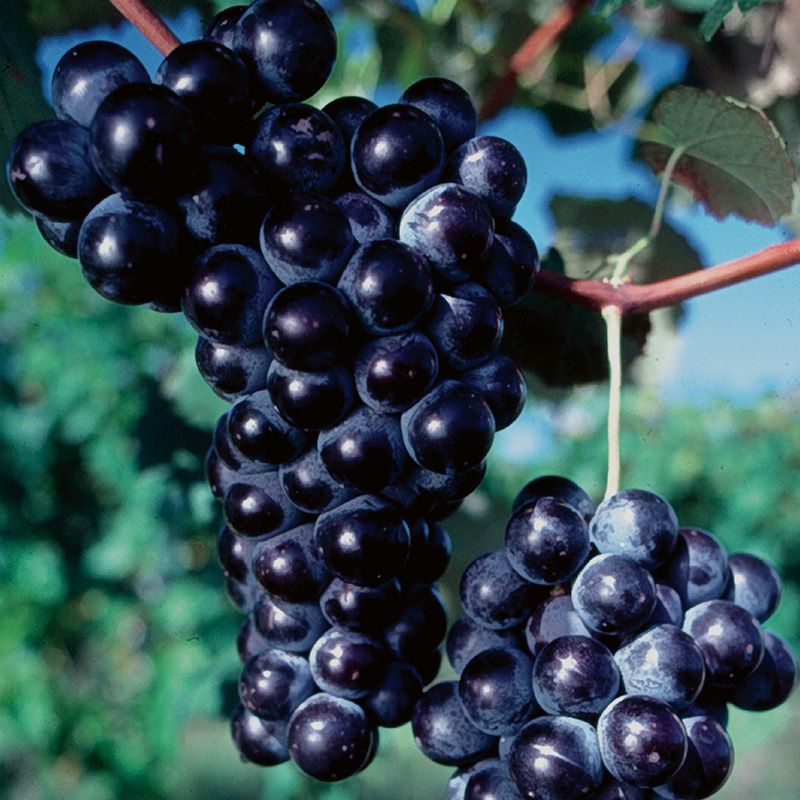
The Concord grape is defined by its deep purple hue, its “slip-skin” quality, and its intense, musky flavor profile. In the world of corporate identity, these traits serve as the brand’s visual and sensory assets. Companies like Welch’s—the primary custodian of the Concord grape brand—have spent over a century ensuring that the deep purple color of the juice serves as an instant cognitive trigger. When a consumer sees that specific shade of violet-purple, they do not just see fruit; they see a pre-programmed brand association of health, breakfast, and nostalgia. This is branding at its most effective: creating a proprietary visual language that competitors cannot easily replicate.
The Evolution of Marketing and Cultural Positioning
For a product to survive for over 170 years, it must adapt its positioning to reflect the values of the era. The marketing of the Concord grape is a roadmap through the changing tides of consumer behavior in the United States.
The Temperance Movement as a Strategic Pivot
One of the most brilliant instances of brand repositioning occurred in the late 19th century. Thomas Bramwell Welch, a dentist and prohibitionist, sought a non-alcoholic alternative to wine for sacramental use. By pasteurizing the juice of the Concord grape, he effectively turned a perishable commodity into a shelf-stable brand. This pivot from “fruit” to “beverage” was a masterstroke of market expansion. It moved the Concord grape from the produce aisle to the pantry, securing its place in the daily consumption habits of families across the country.
From Commodity to Lifestyle Asset
As the 20th century progressed, the marketing strategy shifted from utility to lifestyle. Through television advertising, the Concord grape became synonymous with the “American Breakfast.” It was positioned not just as a drink, but as a prerequisite for a healthy, productive day. This is a classic example of “habit-stacking” in marketing: attaching a brand to an existing daily routine so that the brand becomes invisible but essential. The Concord grape ceased to be a luxury or a seasonal treat; it became a staple utility, akin to bread or milk.
Sustainability and Corporate Resilience
In modern branding, corporate social responsibility (CSR) and sustainability have become central pillars of strategy. The Concord grape provides a fascinating case study in how heritage brands manage modern expectations.
Managing the Supply Chain as Brand Equity
Unlike many food products that can be mass-produced in factories, the Concord grape requires specific agricultural conditions and deep ties to multi-generational farming families. Brands like the Welch’s cooperative have leaned into this, emphasizing the “family-owned” nature of their supply chain. By highlighting the faces of the farmers and the history of the land, the brand reinforces its commitment to longevity. In an era where consumers are increasingly skeptical of industrial food processes, the Concord grape relies on its “farm-to-table” narrative to build authenticity—a critical component of modern brand equity.
Defensive Branding in a Competitive Market
The challenge for the Concord grape today is the saturation of the beverage market. With the rise of craft juices, health-focused wellness drinks, and concerns over sugar content, the Concord brand has had to pivot once again. We see this in the shift toward smaller portion sizes, the emphasis on the natural antioxidants (polyphenols) found in dark grapes, and the push into premium product lines. This is a defensive branding strategy: protecting the core essence of the product while stripping away the negative connotations of the past (i.e., high sugar content) to align with the current health-conscious consumer.
The Future of the Heritage Brand
As we look toward the future, the Concord grape faces the perennial challenge of every legacy brand: relevance. How does a 19th-century innovation remain a fixture in a 21st-century digital landscape?
Digital Transformation and Direct-to-Consumer Engagement
The next frontier for the Concord grape is digital integration. Modern brand strategy demands a move away from passive media (traditional television) toward interactive, community-driven digital spaces. We are seeing a shift toward content marketing that educates consumers on the versatility of the Concord grape—beyond just juice, extending into culinary applications, pairings, and health supplements. By shifting the narrative from a “beverage brand” to a “lifestyle and wellness ingredient,” the Concord grape is attempting to reclaim the narrative of innovation.
The Role of Nostalgia in Gen Z Marketing
Interestingly, the Concord grape is uniquely positioned to benefit from the current “retro-trend” cycle. Younger generations, often nostalgic for a perceived “simpler time,” are drawn to brands with deep, authentic backstories. By leaning into its heritage rather than trying to look like a hyper-modern tech startup, the Concord grape retains a competitive advantage. It is a brand that doesn’t need to chase trends; it simply needs to be rediscovered.

Conclusion: The Strategic Lesson of the Grape
The Concord grape remains a vital entity because it has successfully navigated the transition from a botanical curiosity to a reliable consumer staple, and finally, into a cultural icon. The lesson for any modern marketer or brand strategist is clear: value is rarely found in the product alone. Value is found in the consistency of the experience, the strength of the narrative, and the ability to pivot the brand’s positioning without diluting its core identity. Whether through the lens of agriculture or consumer psychology, the Concord grape stands as a testament to the fact that when a brand is built on a foundation of genuine utility and consistent storytelling, it can survive, adapt, and remain a perennial leader in the marketplace. It is not just about what the Concord grape is; it is about how it has been woven into the fabric of the consumer experience, ensuring its place on the table for generations to come.
aViewFromTheCave is a participant in the Amazon Services LLC Associates Program, an affiliate advertising program designed to provide a means for sites to earn advertising fees by advertising and linking to Amazon.com. Amazon, the Amazon logo, AmazonSupply, and the AmazonSupply logo are trademarks of Amazon.com, Inc. or its affiliates. As an Amazon Associate we earn affiliate commissions from qualifying purchases.