
The buzzing of bees and the flutter of butterflies are often the first images that come to mind when we think of pollination. Yet, as twilight descends and the world quiets down, another crucial group of pollinators takes to the skies: bats. While their nocturnal habits might shroud them in mystery, bats play an indispensable role in the ecosystems they inhabit, contributing to the reproduction of a surprising array of plants. This exploration delves into the fascinating world of bat pollination, revealing the plants they champion and the vital ecological services they provide, all through the lens of innovation, branding, and financial interdependence.
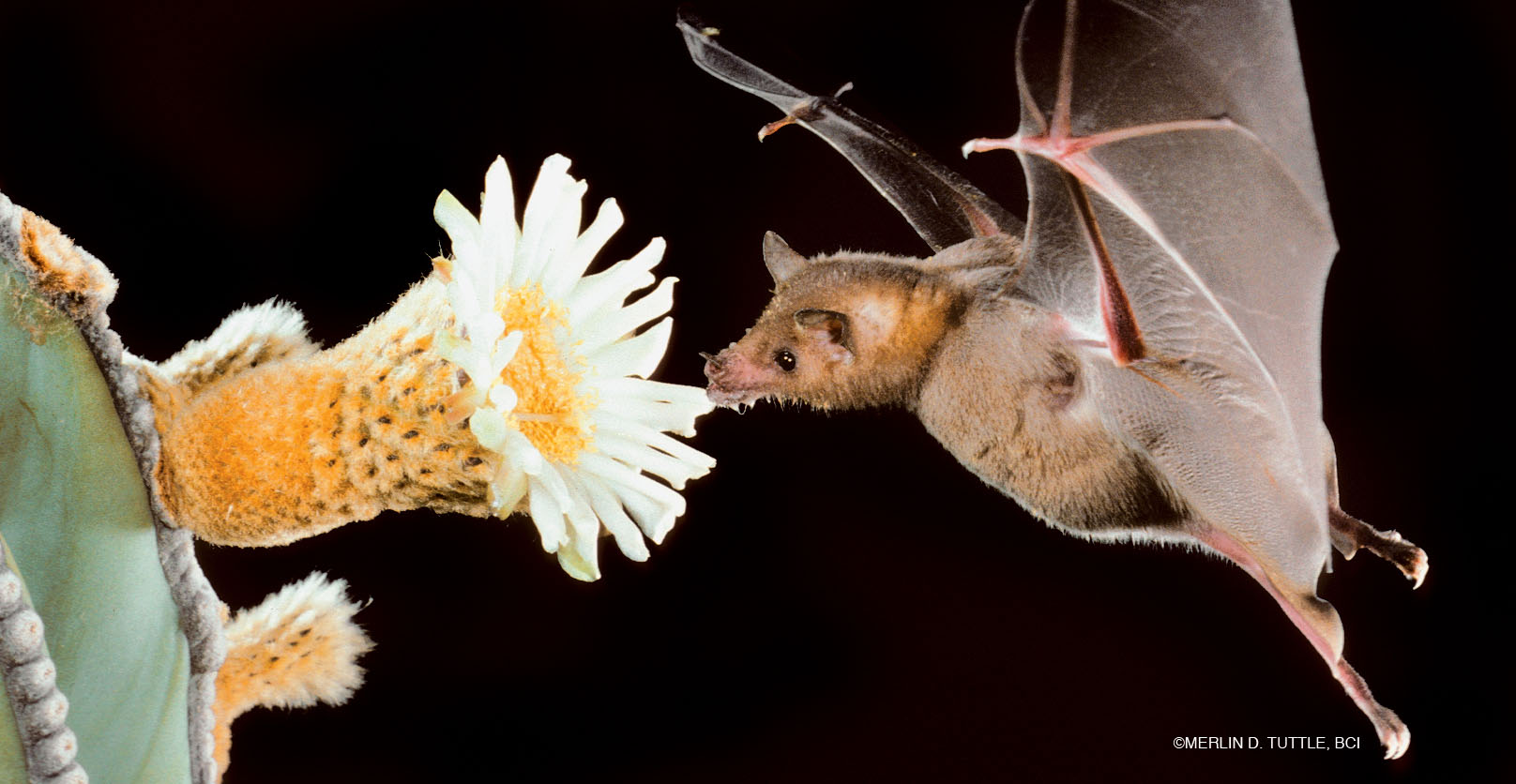
The Unsung Heroes of the Night: Understanding Bat Pollination
Bats, often misunderstood and even feared, are incredibly diverse creatures, with over 1,400 species worldwide. While a significant portion of their diet consists of insects, a remarkable number of bat species are frugivores (fruit-eaters) or nectarivores (nectar-eaters). It is these nectar- and fruit-feeding bats that are the primary pollinators. As they forage for sustenance, they inadvertently transfer pollen from one flower to another, facilitating plant reproduction.
How Bats Become Pollinators: A Co-evolutionary Dance
The relationship between bats and the plants they pollinate is a testament to the power of co-evolution. Over millennia, specific floral traits have evolved to attract these nocturnal visitors. These adaptations often include:
- Nocturnal Blooming: Flowers that bats pollinate typically open their petals at night, releasing their intoxicating fragrances when bats are most active.
- Fragrance: Many bat-pollinated flowers emit strong, musky, or fruity scents that are attractive to bats. This scent acts as a beacon in the darkness, guiding bats to their food source.
- Color: While bats have limited color vision, they are often attracted to pale or white flowers that are more visible in moonlight.
- Structure: The shape and size of the flowers are often adapted to the physical characteristics of their specific bat pollinators. Long, tubular flowers are common, allowing bats with long snouts and tongues to access the nectar.
- Abundant Nectar and Pollen: To reward their nocturnal couriers, these flowers produce copious amounts of energy-rich nectar and protein-rich pollen.
As bats feed on nectar and pollen, their fur and faces become dusted with pollen grains. When they move to another flower of the same species, some of these pollen grains are deposited, leading to cross-pollination. Similarly, when bats consume fruits, they often ingest seeds. While many seeds pass through their digestive systems and are dispersed in their droppings (seed dispersal), in some instances, the act of consuming the fruit and subsequent digestion can even aid in seed germination.
The Diverse Palette of Bat-Pollinated Flora: From Tropical Delights to Essential Staples
The range of plants that rely on bats for pollination is astonishingly broad, spanning diverse ecosystems and encompassing plants crucial for human consumption and ecological health.
Tropical Treasures and Global Staples
In tropical regions, bat pollination is absolutely critical for the survival of many iconic species. Perhaps one of the most well-known examples is the banana. While commercial bananas are often propagated vegetatively, wild banana species and many of their ancestors rely heavily on bats for pollination to produce fruit and seeds. Without bat pollination, the genetic diversity and long-term survival of these vital food sources would be severely threatened.
Another incredibly important plant that owes its existence to bat pollination is the durian, often referred to as the “king of fruits” in Southeast Asia. Its large, pungent fruits are a delicacy, and the specialized flowers that produce them are adapted for pollination by large fruit bats.
The agave plant, the source of tequila and mezcal, is also a significant beneficiary of bat pollination, particularly species of nectar-feeding bats. These bats are crucial for the reproduction of wild agave populations, ensuring the genetic diversity of this important agricultural crop.
Beyond the Tropics: Unexpected Allies
The influence of bat pollination extends beyond tropical rainforests. In North America, for instance, various species of cacti are pollinated by bats. These cacti produce large, often white flowers that open at night, providing a vital nectar source for bats. This pollination is essential for the reproduction and spread of these iconic desert plants, which in turn support a multitude of other desert life.
Even certain species of eucalyptus in Australia have evolved to be pollinated by bats. These trees are fundamental to the Australian ecosystem, providing habitat and food for countless species, and their reproductive success is partly due to their nocturnal visitors.
The Crucial Role in Ecosystem Services
Beyond specific fruit and beverage crops, bat pollination contributes to broader ecosystem health by supporting the reproduction of numerous wild plants. These plants provide:
- Food sources: For other animals, from insects to birds and mammals.
- Habitat: Creating shelter and nesting sites.
- Soil stabilization: Preventing erosion through their root systems.
- Biodiversity: Contributing to the overall richness and resilience of ecosystems.
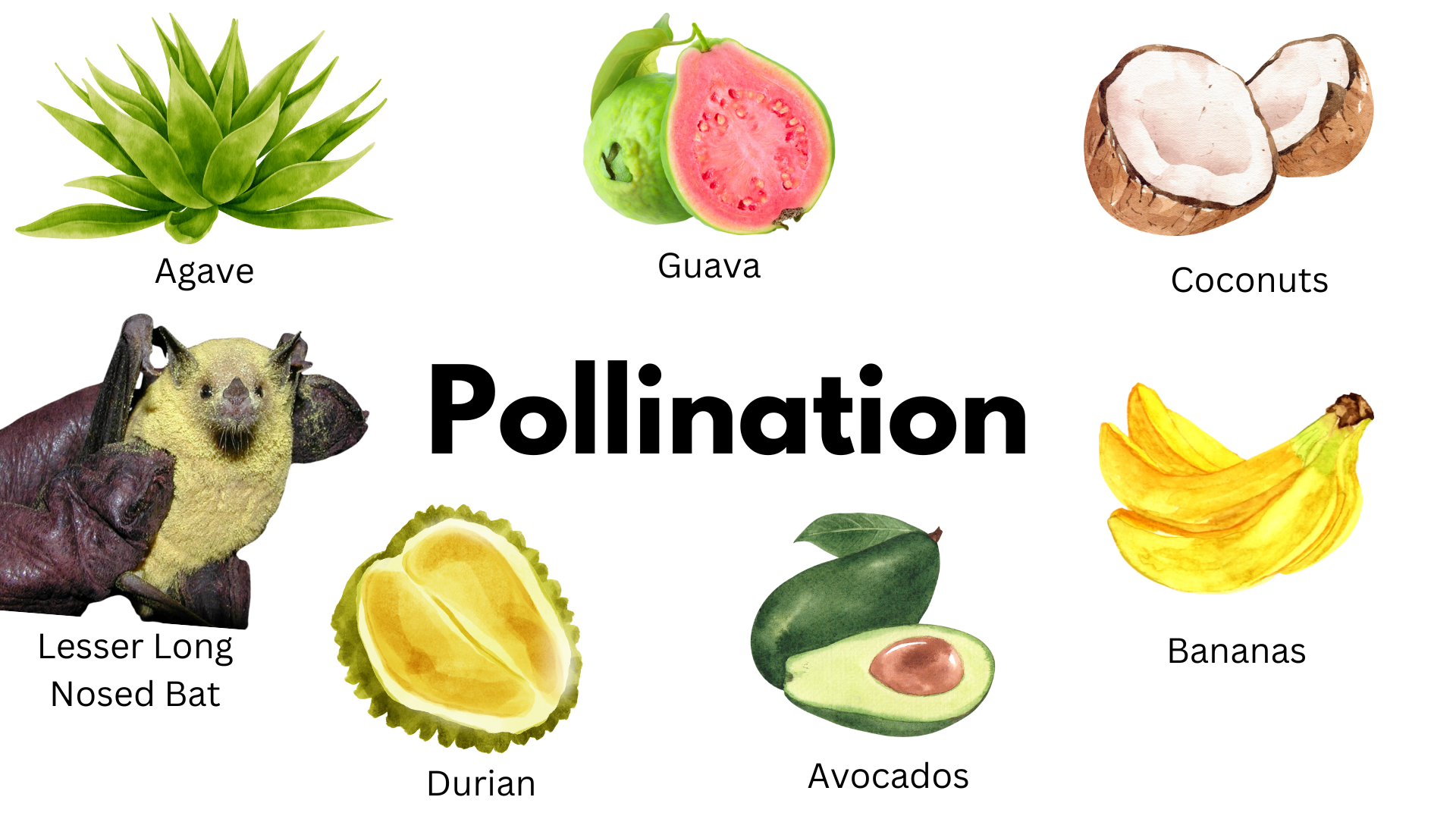
The interdependence is clear: healthy bat populations lead to successful plant reproduction, which in turn supports thriving ecosystems that benefit a wide array of life, including, ultimately, human well-being.
The Business of Pollination: Branding, Innovation, and Financial Impact
The act of pollination, often seen as a purely natural phenomenon, has significant implications that resonate with the core principles of business, branding, and financial considerations. Understanding these connections can illuminate the broader value of these often-overlooked creatures.
Branding the Unseen: The “Bat Pollination” Brand
In the realm of branding, the concept of “bat pollination” can be leveraged to create unique value propositions. Imagine brands that champion sustainability and natural processes. A coffee company could highlight that certain wild coffee species, foundational to its blends, are pollinated by bats, emphasizing a commitment to biodiversity and ethical sourcing. A tequila brand could weave stories of the “bat-kissed” agave, imbuing its product with a sense of natural mystique and a direct connection to the wild.
This “bat pollination” brand isn’t just about marketing; it’s about telling a compelling story that resonates with consumers who are increasingly seeking authenticity and environmental responsibility. It’s about associating a product with a natural, vital process that is often unseen and unacknowledged. This narrative can differentiate brands in crowded markets and build deeper emotional connections with customers. The brand identity becomes synonymous with supporting ecological health and the intricate web of life.
Innovation in Conservation: Tech-Driven Solutions for Bat Support
The tech sector can play a pivotal role in understanding and supporting bat pollination. From the development of advanced acoustic monitoring devices that can identify bat species by their calls, to AI-powered algorithms that can map bat migration routes and foraging areas, technology offers powerful tools for conservation.
- AI in Habitat Mapping: Machine learning models can analyze satellite imagery and environmental data to identify critical bat habitats and the plant species they rely on for pollination. This allows for targeted conservation efforts and the protection of vital ecological corridors.
- Sensor Technology: Developing affordable, durable sensors that can be placed in bat roosts or near flowering plants can provide invaluable data on bat activity, nectar production, and pollen transfer. This real-time data can inform conservation strategies and agricultural practices.
- App Development for Citizen Science: User-friendly mobile applications can empower the public to contribute to bat research by reporting sightings, recording bat calls, or even identifying bat-pollinated plants. This crowdsourced data can significantly expand the reach and scope of scientific research.
- Biotechnology for Plant Resilience: While not directly related to pollination itself, advancements in biotechnology could theoretically lead to the development of plant varieties that are more resilient to environmental changes, thus indirectly supporting the ecosystems that bats depend on.
Innovation isn’t just about creating new gadgets; it’s about applying technological solutions to solve real-world problems, and the conservation of pollinators is a critical one.
The Financial Footprint of Nocturnal Partners: Economic Value and Investment
The financial implications of bat pollination are substantial, though often underestimated. The crops that rely on bats for reproduction represent significant economic value globally.
- Agricultural Yields: The productivity of crops like bananas, agave, and certain fruits is directly influenced by the health of bat populations. A decline in bat numbers could lead to reduced yields, increased production costs, and higher prices for consumers.
- Ecotourism and Agritourism: Regions with healthy bat populations and diverse bat-pollinated flora can become attractive destinations for ecotourism. Visitors are drawn to experience the unique biodiversity and learn about the natural processes at play. This can create revenue streams for local communities.
- Investment in Conservation: Recognizing the economic value of bat pollination can justify investment in conservation initiatives. This includes funding research, protecting habitats, and implementing policies that support bat populations. Such investments can be seen as a form of ecological insurance, safeguarding future agricultural productivity and ecosystem services.
- Sustainable Business Models: Businesses that actively support bat conservation can develop sustainable business models. This could involve partnering with conservation organizations, implementing pollinator-friendly farming practices, or contributing a portion of profits to bat research.
The financial argument for bat conservation is not just about altruism; it’s a pragmatic recognition of the essential economic services these creatures provide. Investing in their future is an investment in our own.
Challenges and the Path Forward: Ensuring a Future for Bat Pollination
Despite their vital role, bat populations worldwide are facing numerous threats, including habitat loss, pesticide use, disease, and climate change. The decline of these nocturnal pollinators has far-reaching consequences for both natural ecosystems and human interests.
Addressing the Threats: A Multi-faceted Approach
Combating these threats requires a concerted and multi-faceted approach:
- Habitat Protection and Restoration: Preserving and restoring natural habitats, including forests, caves, and agricultural landscapes that provide roosting sites and foraging grounds, is paramount. This includes protecting the plants that bats rely on.
- Sustainable Agricultural Practices: Reducing the reliance on harmful pesticides and herbicides that can directly poison bats or their insect prey is crucial. Promoting organic farming and integrated pest management strategies can create safer environments.
- Public Education and Awareness: Dispelling myths and fostering a greater appreciation for bats and their ecological contributions is essential for gaining public support for conservation efforts. Educational campaigns can highlight their role as pollinators and insectivores.
- Policy and Legislation: Implementing strong policies and legislation that protect bat species and their habitats, and regulate land use to minimize negative impacts, is vital.
- Scientific Research: Continued research into bat ecology, pollination networks, and the impacts of environmental changes is necessary to inform effective conservation strategies.

The Interconnectedness of All Life
The story of bat pollination is a powerful reminder of the intricate interconnectedness of all life on Earth. From the smallest flower to the largest ecosystem, each component plays a crucial role. By understanding and appreciating the contributions of bats, we can foster a deeper respect for the natural world and commit to protecting these essential, albeit often unseen, partners in pollination. Their nocturnal flights ensure the continuation of countless plant species, underpinning our food security, our economies, and the very health of our planet. The question of “what do bats pollinate” leads us not just to a list of plants, but to a profound understanding of ecological interdependence and the vital role of even the most mysterious creatures in maintaining the balance of our world.
aViewFromTheCave is a participant in the Amazon Services LLC Associates Program, an affiliate advertising program designed to provide a means for sites to earn advertising fees by advertising and linking to Amazon.com. Amazon, the Amazon logo, AmazonSupply, and the AmazonSupply logo are trademarks of Amazon.com, Inc. or its affiliates. As an Amazon Associate we earn affiliate commissions from qualifying purchases.