
The culinary world is often divided into two distinct camps: those who obsess over expensive, tender cuts like filet mignon, and those who understand the true economic and gastronomic power of the “working” muscles. Chuck steak, sourced from the shoulder region of the bovine, sits firmly in the latter category. It is the workhorse of the kitchen, characterized by significant connective tissue and intramuscular fat. While it lacks the delicate texture of a loin steak, it possesses a depth of flavor that is arguably superior to its more expensive counterparts. For the home cook or professional chef, chuck steak represents one of the best value-to-performance ratios in the culinary market.
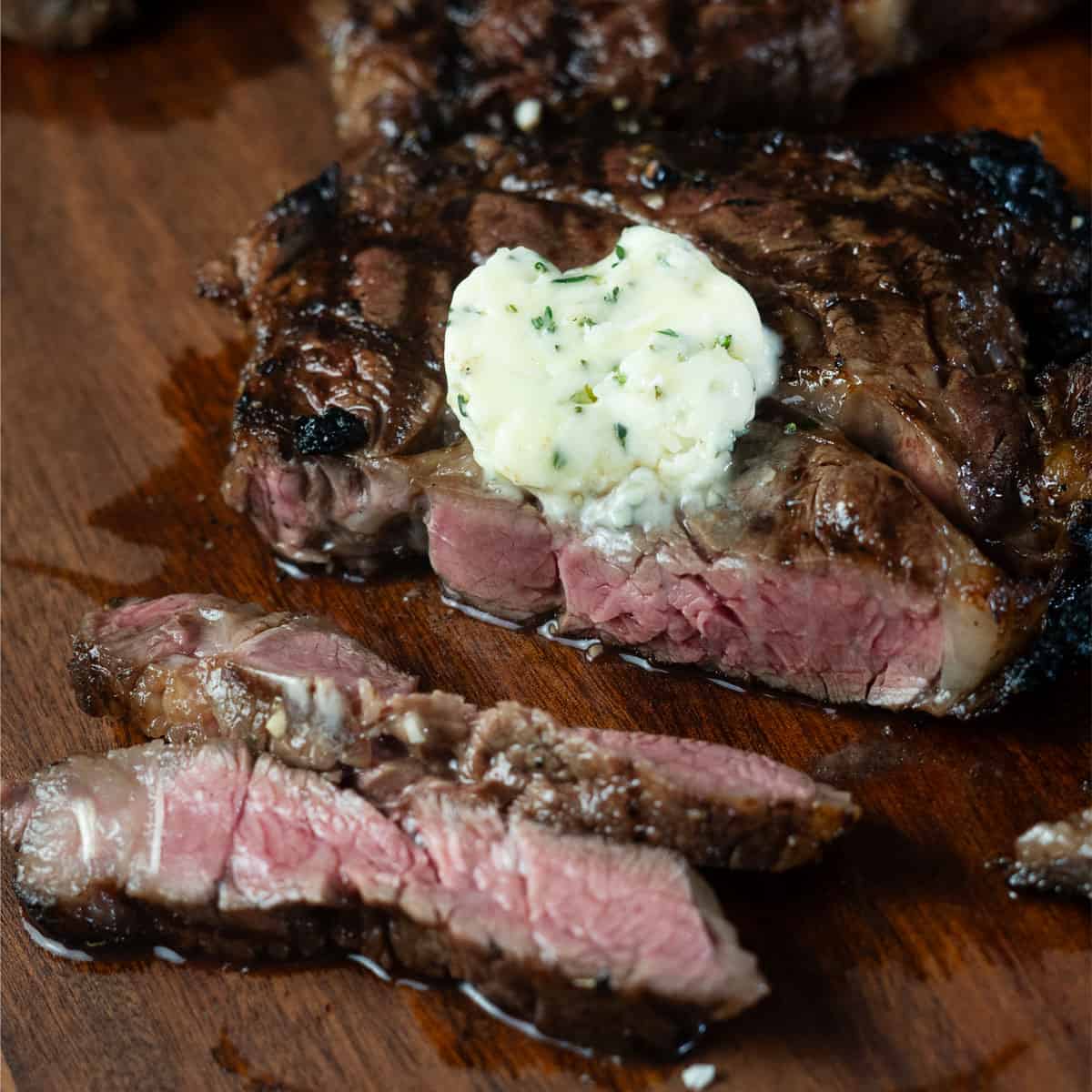
The Science of the Shoulder: Why Chuck Steak Excels
To understand what chuck steak is good for, one must first understand its anatomy. Because the chuck comes from the shoulder—a heavily exercised muscle group—it is rich in collagen. Collagen is a structural protein that turns into gelatin when subjected to long, moist-heat cooking methods. This transformation is the primary reason why chuck steak is the gold standard for slow-cooked dishes.
The Role of Collagen and Intramuscular Fat
While a prime ribeye relies on internal marbling for its tenderness, chuck relies on the breakdown of its dense connective tissue. When braised, the collagen dissolves, bathing the meat in a rich, velvety liquid that enhances the mouthfeel of the entire dish. Furthermore, the intramuscular fat in chuck steak provides the necessary moisture to prevent the meat from drying out during the extended periods required to break down its tougher fibers.
Flavor Development Through Maillard Reaction
Chuck steak has a much higher hemoglobin content than muscles that get less exercise. This contributes to a robust, “beefy” flavor profile. When seared, the surface area of a chuck cut undergoes the Maillard reaction—a chemical process that produces a deep, savory crust—more effectively than leaner cuts. This ensures that even before the slow-cooking process begins, the meat is packed with savory potential.
Optimal Preparation Methods for Chuck Steak
Given its physiological structure, chuck steak requires specific culinary techniques to maximize its potential. The goal is to move from a state of resistance to a state of melt-in-the-mouth tenderness.
The Art of the Braise
Braising is the undisputed king of chuck preparation. By simmering the meat in a liquid—be it red wine, beef stock, or a tomato-based reduction—the chef creates a controlled environment where heat and moisture work in tandem.
- The Searing Phase: Before adding liquid, the meat must be patted dry and seared over high heat. This creates the foundational flavor base.
- The Liquid Ratio: The liquid should cover about two-thirds of the meat, allowing the exposed top portion to braise in the steam while the bottom simmers in the liquid.
- Temperature Control: Low and slow is the mantra. A constant temperature of 275°F to 300°F in the oven is ideal for achieving the desired transformation over three to four hours.
Sous Vide: Precision in Texture
For those seeking a more modern approach, the sous vide method offers a way to turn chuck steak into a “steak-like” experience. By cooking the chuck at 135°F for 24 to 48 hours, the collagen breaks down without the muscle fibers becoming overcooked or dry. The result is a piece of meat that has the tenderness of a filet mignon but retains the complex, beefy flavor profile of a chuck roast.
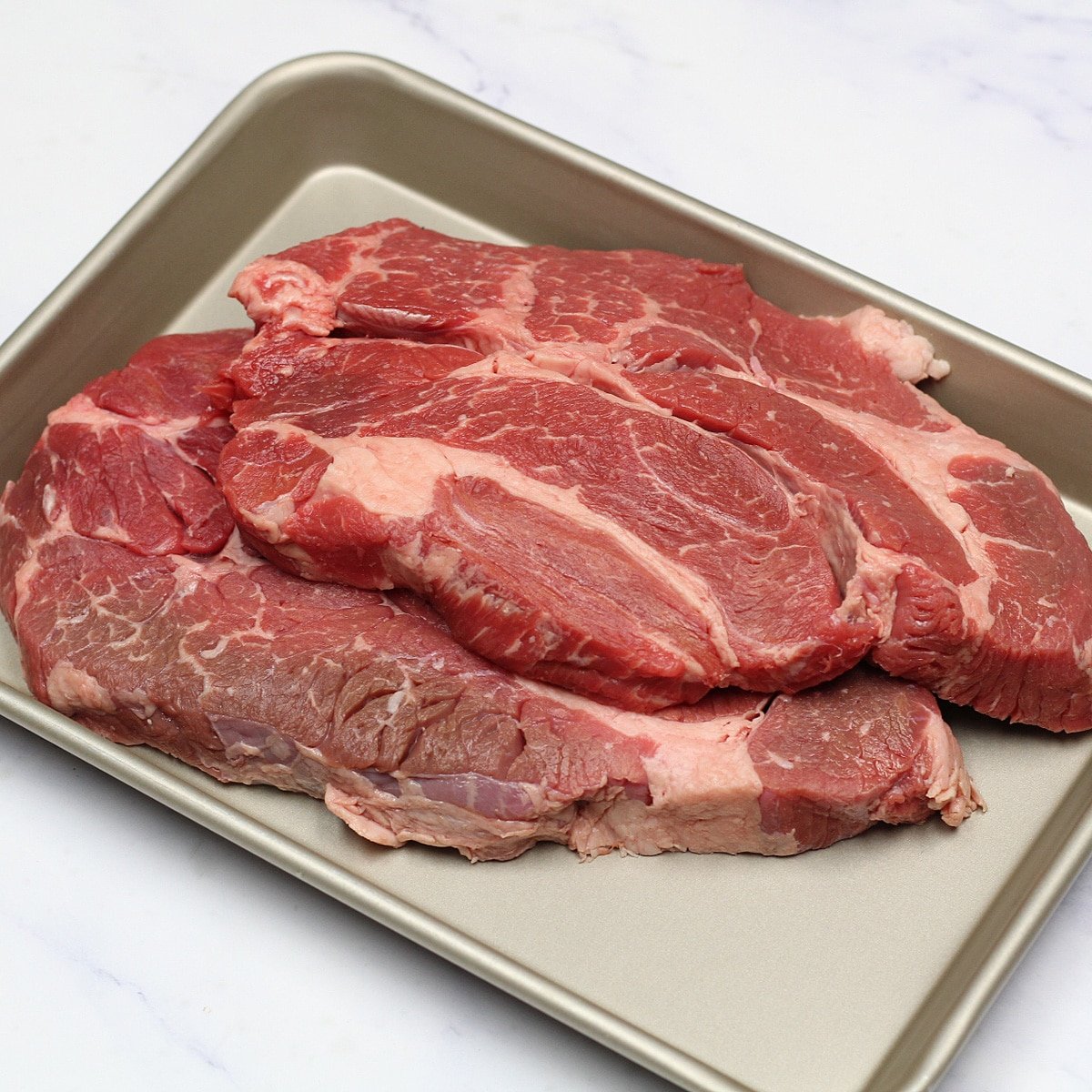
Culinary Applications: Beyond the Pot Roast
While the classic pot roast is the most common use for chuck, its versatility extends far beyond simple comfort food. Because it is inexpensive and flavorful, it is the preferred cut for dishes where the beef needs to stand up to bold spices and long cooking times.
The World’s Best Burger Blend
Few people realize that the secret to a high-end restaurant burger is the inclusion of chuck. Because of its perfect lean-to-fat ratio (typically 80/20), chuck steak provides the necessary juiciness for a patty that doesn’t crumble on the grill. When butchers create “house blends” for premium burger joints, ground chuck is almost always the base. It creates a patty with structural integrity and a profound, savory finish.
Stews and Curries
In cultures that prioritize long-simmered dishes, such as in various parts of Asia and the Caribbean, chuck steak is the cut of choice for curries and spicy stews. The meat’s ability to absorb the aromatics of a complex sauce is unmatched. Whether it is a traditional Beef Bourguignon or a Jamaican beef stew, the chuck absorbs the spices, while its gelatinous qualities thicken the sauce naturally, creating a cohesive and flavorful bowl.
Shredded Beef and Tacos
Chuck steak is also the ideal candidate for shredded beef. After a long braise, the meat becomes loose and tender enough to pull apart with a fork. This makes it perfect for:
- Birria Tacos: Where the shredded meat is fried in its own rendered fat and served with a rich consommé.
- Beef Barbacoa: A slow-cooked preparation often flavored with chipotle and lime, providing a tart and spicy contrast to the richness of the beef.
- Beef Sandwiches: The classic “French Dip” or a high-end brisket-style sandwich relies on the shredded texture of the chuck to hold onto jus or barbecue sauce.
Economic and Strategic Value in the Kitchen
From a financial perspective, chuck steak is a tool for household management. In a market where high-end steak prices continue to rise, mastering the chuck allows the home cook to serve restaurant-quality meals at a fraction of the cost.
Budgeting and Meal Planning
Purchasing a whole chuck roast and breaking it down into smaller portions—stew meat, a small roast, and trimmings for ground beef—is a smart financial move. This approach to “whole-cut” utilization not only reduces food waste but also allows for multiple meals from a single, budget-friendly purchase. It is a lesson in value-based culinary planning: investing time in preparation replaces the need to invest money in premium cuts.
The Chef’s Secret Weapon
In professional kitchens, chuck steak is often kept in the inventory as a “filler” of high quality. Chefs know that if they need a rich base for a demi-glace or a hearty filling for a hand-held pastry, the chuck is the reliable option. Its consistent performance makes it a staple for menu items that require depth of flavor and texture, proving that true culinary talent is defined by how one treats the tougher cuts, not just how one grills a loin.
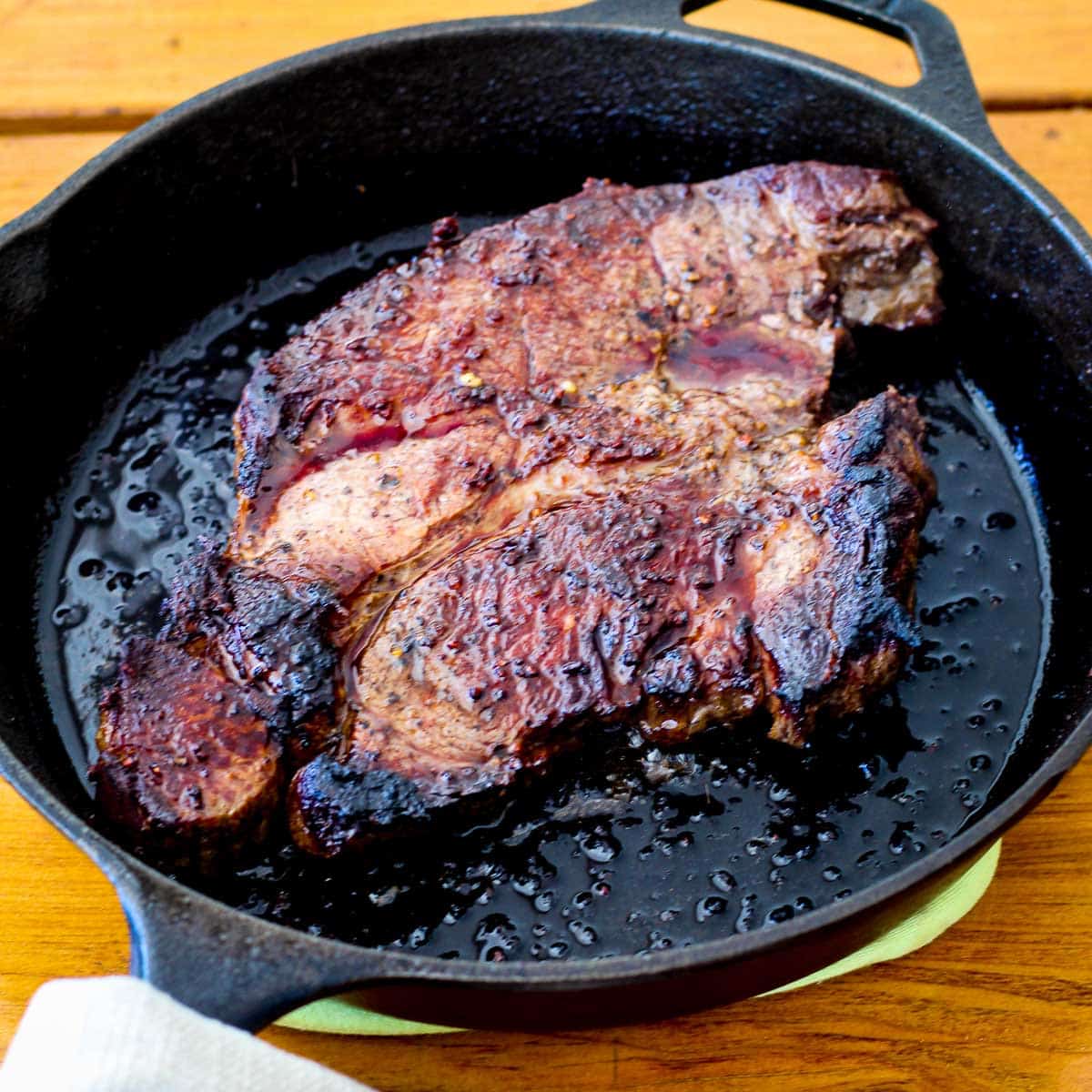
Conclusion: Elevating the Humble Cut
Ultimately, chuck steak is a testament to the fact that high-quality cooking does not always require high-cost ingredients. It requires an understanding of how heat, time, and technique interact with the fibers of the meat. By embracing the characteristics of the chuck—the fat, the connective tissue, and the robust flavor—one can unlock a spectrum of dishes that offer more comfort, more depth, and more satisfaction than almost any other cut in the animal. It is a reminder that in the culinary arts, utility and flavor are often found in the most unassuming places, waiting for the right cook to bring them to their full potential.
aViewFromTheCave is a participant in the Amazon Services LLC Associates Program, an affiliate advertising program designed to provide a means for sites to earn advertising fees by advertising and linking to Amazon.com. Amazon, the Amazon logo, AmazonSupply, and the AmazonSupply logo are trademarks of Amazon.com, Inc. or its affiliates. As an Amazon Associate we earn affiliate commissions from qualifying purchases.