
When you begin researching motorcycles, whether you are shopping for your first commuter bike or dreaming of a high-performance sportbike, the term “cc” is ubiquitous. It is the shorthand used to categorize motorcycles, dictate insurance premiums, and define the very personality of a machine. But what does it actually mean, and why is it the primary metric for defining motorcycle capability? Understanding engine displacement is essential for anyone interested in the technical aspects of modern machinery and automotive engineering.
The Technical Definition: Displacement and Combustion Chambers
At its core, “cc” stands for cubic centimeters. It is a unit of volume used to measure the engine displacement of a motorcycle. Engine displacement refers to the total volume of all cylinders in an internal combustion engine that the pistons move through during a single cycle.
The Science of Cylinder Volume
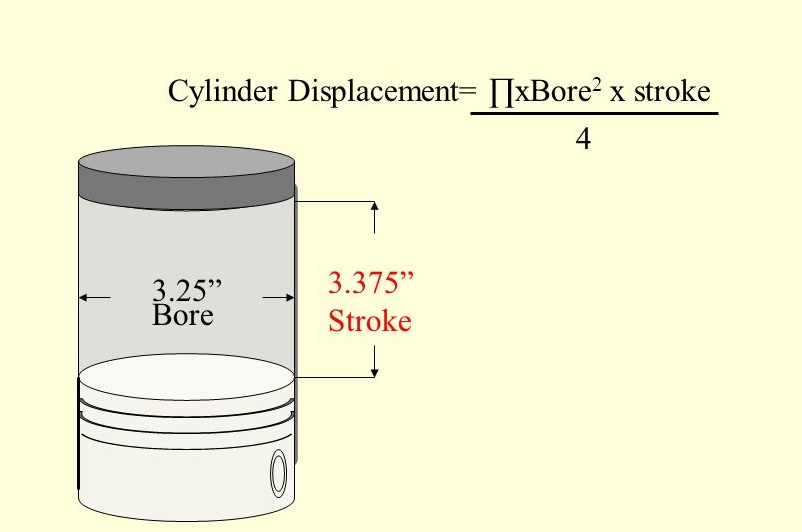
To understand how this volume is calculated, one must look inside the engine block. A motorcycle engine consists of cylinders—hollow chambers where the combustion process takes place. Within each cylinder, a piston moves up and down. Displacement is calculated by multiplying the area of the cylinder bore by the length of the stroke (the distance the piston travels from the top to the bottom) and then multiplying that by the number of cylinders the engine possesses.
For example, a 500cc engine means that the total combined volume of all its cylinders is 500 cubic centimeters. This is the space available for the air-fuel mixture to be compressed and ignited. The larger this volume, the more air and fuel can be burned in a single power stroke, which generally leads to more energy being released.
Combustion and Energy Output
The “cc” measurement acts as a primary indicator of an engine’s potential. Because internal combustion engines function by burning a mixture of fuel and air to create an explosion that forces the piston down, the capacity of the combustion chamber determines the scale of that explosion. A higher cc count allows for a larger intake of the fuel-air mixture, which, theoretically, results in greater torque and horsepower. This is why displacement is often the first technical specification listed for any motorcycle.
Why CC Matters: Performance Characteristics
While “cc” is a simple measurement of volume, it influences the way a bike feels, handles, and performs on the road. However, it is a common misconception to believe that a higher cc count automatically equals a faster or better bike. The relationship between displacement and performance is nuanced, involving factors like engine architecture and intended use.
Torque vs. Horsepower
Displacement is the primary driver of torque—the “twisting” force that gets a motorcycle moving from a standstill. A 1200cc cruiser engine will typically provide significantly more low-end grunt than a 300cc sportbike engine, allowing the rider to accelerate with less need to shift gears. Horsepower, on the other hand, is a product of both torque and the speed at which the engine rotates (RPMs).
Small-displacement engines, such as those in the 150cc to 400cc range, often rely on high RPMs to generate power. These engines are lightweight and nimble, making them ideal for urban commuting and learning. Conversely, large-displacement engines (800cc and above) offer a more relaxed, powerful delivery that is better suited for long-distance highway touring, where maintaining speed with minimal engine strain is preferred.
Weight, Handling, and Balance
There is an inevitable correlation between engine displacement and the physical footprint of the motorcycle. Larger engines are physically larger, heavier, and require more substantial cooling systems, stronger frames, and beefier transmission components.

A 1000cc superbike might offer incredible acceleration, but the trade-off is often a heavier chassis that requires more physical input from the rider during cornering. A 250cc or 400cc bike, by contrast, benefits from a much lower weight, allowing for flickable, agile handling that is often more rewarding for beginners or riders navigating tight, technical roads. In the world of technology and mechanical design, the “cc” rating is a benchmark for the engineering trade-offs made between power, weight, and maneuverability.
Engine Configuration and the Efficiency Factor
It is vital to note that two engines with identical 600cc displacement ratings can behave in entirely different ways. The “cc” measurement tells you the size of the box, but not necessarily what is happening inside that box. This is where modern automotive technology—such as intake design, compression ratios, and fuel injection—comes into play.
Single, Twin, and Four-Cylinder Designs
The number of cylinders makes a drastic difference in how a specific displacement is delivered. A 600cc single-cylinder engine will have a distinct, thumping power delivery with significant torque at low RPMs, but it may vibrate significantly at higher speeds. A 600cc inline-four engine, conversely, will be incredibly smooth and capable of screaming to high RPMs, producing peak power that a single-cylinder engine could never touch.
The displacement is merely a starting point. Engineers use varying cylinder configurations to tailor a bike’s character. Multi-cylinder engines typically offer smoother power delivery and higher top-end speeds, while single or twin-cylinder engines are often lighter and offer punchy, predictable torque curves.
Advancements in Technology
In modern motorcycle design, manufacturers are increasingly achieving more performance out of smaller displacement engines. Through the use of advanced computer-aided engine management, variable valve timing, and turbocharging, a modern 600cc engine can easily outperform a 1000cc engine from thirty years ago.
This technological evolution is changing the way we perceive “cc.” We are currently in an era where “downsizing” is becoming common; bikes are becoming lighter and more efficient, utilizing sophisticated electronics to extract maximum performance from smaller combustion chambers. This shift is driven by a focus on weight reduction and compliance with global emissions standards, proving that while displacement is a fundamental measure, the technology supporting it is what defines the riding experience.
Navigating the Motorcycle Market: Choosing the Right CC
Choosing the “right” cc for a motorcycle is not a one-size-fits-all endeavor. It depends entirely on your experience level, the type of terrain you intend to cover, and your personal riding style.
The Beginner Perspective
For new riders, the consensus in the motorcycle community is to avoid jumping straight to a high-cc machine. A bike in the 250cc to 500cc range is generally recommended because these machines are more forgiving of throttle errors and easier to manage at low speeds. Because they are lighter, they build confidence, allowing the rider to focus on fundamental skills like braking, cornering, and lane positioning rather than managing an overwhelming amount of power.
The Experienced Rider
As riders progress, their preference for displacement often shifts toward the type of riding they perform. A rider who spends their weekends on track days might prefer a high-revving 600cc sportbike, while a rider who prefers transcontinental touring will almost certainly lean toward a large-displacement 1200cc or 1800cc motorcycle. At this level, the displacement provides the “effortless” power needed to cruise at high speeds without the engine laboring, contributing to a more comfortable and less fatiguing long-distance experience.
Beyond the Number
Ultimately, the “cc” is a technical metric, not a definitive grade of quality. A bike should be evaluated on the entirety of its engineering—how the engine, chassis, suspension, and electronics work in concert. A motorcycle with a smaller displacement engine might be the most technologically advanced and exhilarating bike for a specific rider, while a massive, high-displacement cruiser might be the perfect tool for another.
When you look at a spec sheet, look past the cubic centimeters. Investigate the horsepower, the torque curve, the weight of the bike, and the intended purpose of the platform. Understanding displacement is the foundation of motorcycle literacy, but recognizing how that displacement is harnessed is the key to choosing a machine that truly complements your lifestyle and riding aspirations. In the fast-paced world of motorcycling, knowledge of these mechanical principles ensures you aren’t just buying a bike, but rather investing in a tool of precision engineering.
aViewFromTheCave is a participant in the Amazon Services LLC Associates Program, an affiliate advertising program designed to provide a means for sites to earn advertising fees by advertising and linking to Amazon.com. Amazon, the Amazon logo, AmazonSupply, and the AmazonSupply logo are trademarks of Amazon.com, Inc. or its affiliates. As an Amazon Associate we earn affiliate commissions from qualifying purchases.