
In the fast-evolving landscape of global trade and supply chain management, efficiency and compliance are the twin pillars of success. For businesses operating within the import sector of Canada, the Canada Border Services Agency (CBSA) has introduced a transformative digital initiative known as the CBSA Assessment and Revenue Management (CARM) project. Understanding CARM is no longer optional for companies aiming to remain competitive; it is a fundamental requirement for navigating the modern customs landscape.
The Evolution of Customs Compliance: What is CARM?
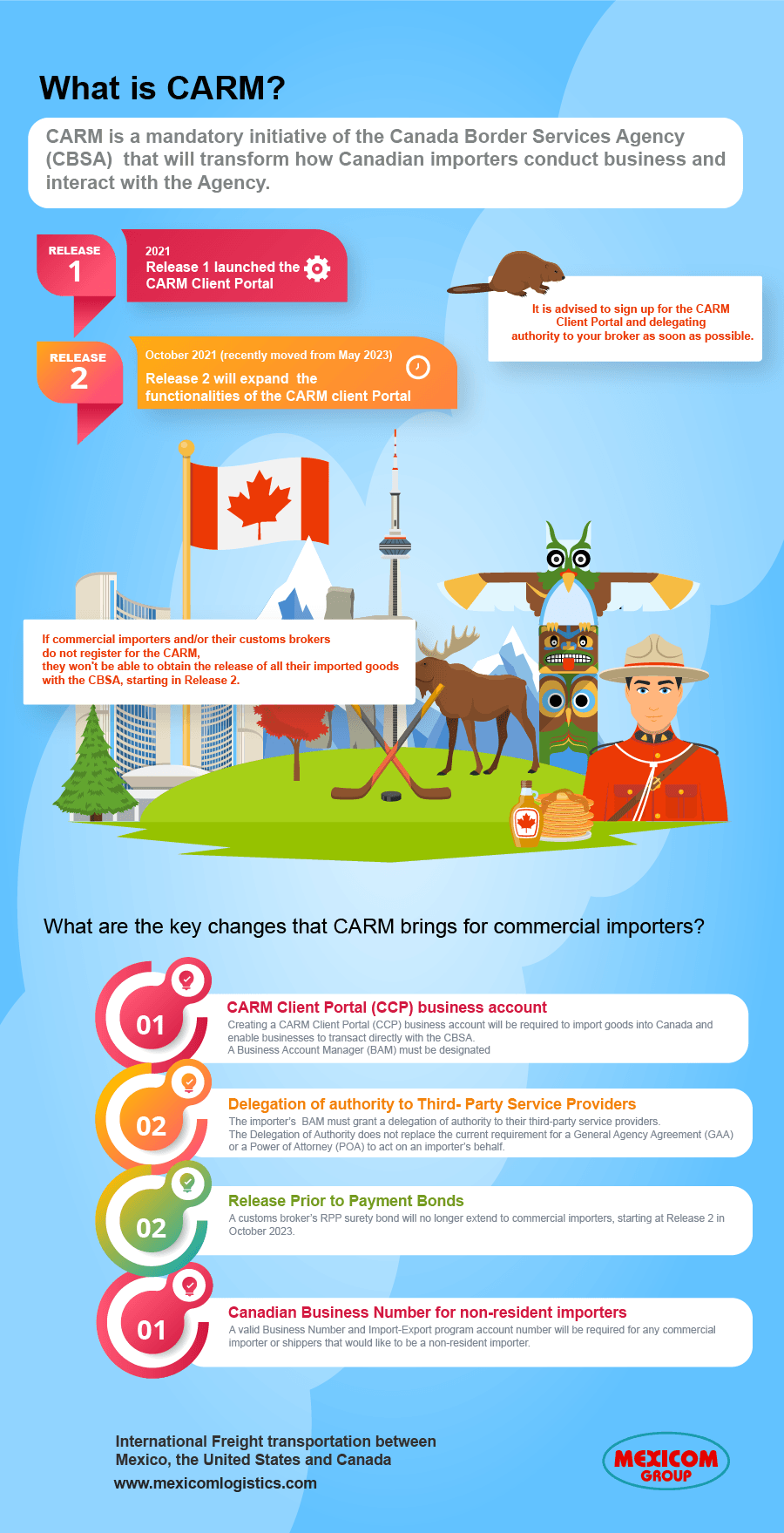
At its core, CARM is a multi-year business transformation initiative designed to modernize the collection of duties and taxes for goods imported into Canada. By replacing outdated, paper-based systems with a centralized, cloud-based digital portal, the CBSA aims to streamline the import process, improve compliance, and provide importers with a transparent view of their financial interactions with the government.
The Shift from Legacy Systems
For decades, Canadian customs processes relied heavily on manual data entry, physical documentation, and fragmented legacy software. These systems were prone to human error, caused significant administrative bottlenecks, and made it difficult for the CBSA to track high-volume trade effectively. CARM serves as the technological bridge between these antiquated methods and a fully digitized future, moving all financial interactions—including accounting, payment processing, and ruling requests—onto a unified digital platform.
Empowering the Trade Community
The true value of CARM lies in its focus on self-service functionality. By providing importers, customs brokers, and trade consultants with direct access to their own data, the system democratizes the customs process. It allows businesses to manage their own commercial compliance, monitor their account balances, and view duty and tax assessments in real-time. This shift empowers businesses to take ownership of their compliance status, reducing reliance on third-party intermediaries for simple administrative tasks and lowering the potential for costly delays.
Key Features and Functionalities of the CARM Client Portal
The heart of this initiative is the CARM Client Portal (CCP). This centralized hub is where the day-to-day operations of an importer now take place. To understand the significance of CARM, one must look at the specific tools provided through the portal and how they fundamentally alter the relationship between the importer and the CBSA.
Financial Management and Visibility
Prior to the implementation of CARM, importers often struggled to gain a clear, consolidated view of their financial obligations to the CBSA. Payments were sometimes difficult to track, and reconciliation processes were cumbersome. The CCP provides a comprehensive financial dashboard where users can:
- View consolidated statements of account.
- Make payments directly through the portal using various digital payment methods.
- Manage financial security (bonds) required for the release of goods.
- Track refund requests and adjustments in real-time.
Electronic Commercial Accounting Declarations (CAD)
Perhaps the most significant change introduced by CARM is the Commercial Accounting Declaration (CAD). The CAD replaces the traditional customs coding form (the B3) and the request for adjustment (the B2). Through the portal, importers can submit their declarations electronically, self-correct errors, and receive immediate feedback on their filing status. This digitization reduces the paperwork burden and accelerates the lifecycle of a customs entry, allowing for faster processing of goods at the border.

Delegated Access and Security
Modern supply chains are complex, often involving multiple freight forwarders, customs brokers, and legal teams. The CARM portal includes robust delegated access management features. Importers can grant specific levels of authority to their service providers, ensuring that their brokers can file documentation on their behalf without the importer losing oversight. This granular control over who can view or modify data provides a new layer of digital security and accountability for importers.
The Strategic Impact of CARM on Business Operations
For business leaders, the transition to CARM is more than just a software upgrade; it is a strategic shift in operational philosophy. Embracing the portal requires a proactive approach to compliance, as the burden of data accuracy now rests more heavily on the shoulders of the importer than ever before.
Transforming Compliance into a Competitive Advantage
In the past, many importers outsourced compliance entirely to their customs brokers, treating it as a “set it and forget it” task. Under CARM, this strategy presents significant risk. Because the portal makes errors and discrepancies highly visible to the CBSA, maintaining accurate records is paramount. Companies that invest in training their teams to navigate the CARM portal effectively, monitor their compliance scores, and perform internal audits will find themselves at a distinct advantage. They will experience fewer border delays, fewer audits from the CBSA, and more predictable duty costs.
Risk Mitigation and Data Accuracy
With the implementation of the CAD, the CBSA now has more sophisticated tools to audit and verify import data. Automated validation rules within the system identify inconsistencies in HS (Harmonized System) codes, valuation, and origin reporting before the submission is finalized. By leveraging the portal’s validation features, businesses can preemptively address red flags, thereby avoiding penalties and the reputational damage associated with non-compliance. Integrating CARM into existing ERP (Enterprise Resource Planning) systems via API connectivity further minimizes human error by ensuring that data flows directly from the company’s financial systems to the CBSA.
Financial Planning and Cash Flow
CARM introduces changes to the release of goods and the timing of payments. With the transition to a centralized payment model, businesses must be prepared to manage their cash flow more dynamically. The portal provides the data necessary to forecast duty and tax payments with greater accuracy, allowing finance departments to optimize working capital. Furthermore, the ability to manage financial security bonds directly through the portal simplifies the process of obtaining and renewing the necessary instruments to participate in programs like the Release Prior to Payment (RPP).
Preparing for the Future: Implementing a CARM Strategy
Successfully adapting to CARM requires a methodical approach that combines technology, personnel training, and clear internal policies. The transition is not merely an IT project; it is a comprehensive change management initiative that affects procurement, logistics, accounting, and legal departments.
The Road to Digital Integration
The first step for any business importing into Canada is to ensure they are registered on the CARM Client Portal. Once registered, the focus must shift to data hygiene. Because the system relies on digital declarations, the quality of the data in the importer’s internal procurement and inventory systems directly impacts the accuracy of the CAD. Investing in automated classification tools and ensuring that HS codes are correctly mapped within the company’s internal databases is an essential preparatory step for CARM success.
Cultivating Internal Expertise
While customs brokers continue to play a vital role as expert partners, the internal capabilities of the importer have become the new frontier of compliance. Companies should designate internal “CARM leads” responsible for overseeing portal access, monitoring notices from the CBSA, and managing financial statements. By fostering an internal culture of compliance awareness, organizations can minimize the friction associated with the transition and ensure that they remain in good standing with the CBSA.

Building Resilience in the Global Supply Chain
The digital infrastructure provided by CARM is a precursor to the future of global trade. As governments worldwide move toward “Single Window” environments and automated, data-driven border management, CARM acts as a foundational model. Businesses that master the CARM environment today are building the digital maturity required to thrive in a global economy that is increasingly defined by high-speed, high-transparency digital systems. By viewing CARM not as a bureaucratic hurdle, but as a framework for operational excellence, companies can secure their supply chains and gain the clarity needed to grow their international trade footprint with confidence.
aViewFromTheCave is a participant in the Amazon Services LLC Associates Program, an affiliate advertising program designed to provide a means for sites to earn advertising fees by advertising and linking to Amazon.com. Amazon, the Amazon logo, AmazonSupply, and the AmazonSupply logo are trademarks of Amazon.com, Inc. or its affiliates. As an Amazon Associate we earn affiliate commissions from qualifying purchases.