
When we consider the evolution of optical technology, few innovations have had as profound an impact on daily productivity and quality of life as the development of bifocal lenses. For individuals navigating the complexities of presbyopia—the age-related decline in near-focusing ability—these lenses represent a cornerstone of vision correction technology. By integrating two distinct optical prescriptions into a single lens, bifocals serve as a bridge between the digital world, the printed page, and the broader environment.
The Engineering Behind Bifocal Optics
At its core, a bifocal lens is a marvel of optical engineering designed to manage refractive error at varying distances. Unlike single-vision lenses, which are ground to a uniform curvature to address a specific focal point, bifocals feature a dual-zone design. This allows the wearer to transition seamlessly between distant vision and near-field tasks without the physical inconvenience of swapping spectacles.
The Physics of the Segment
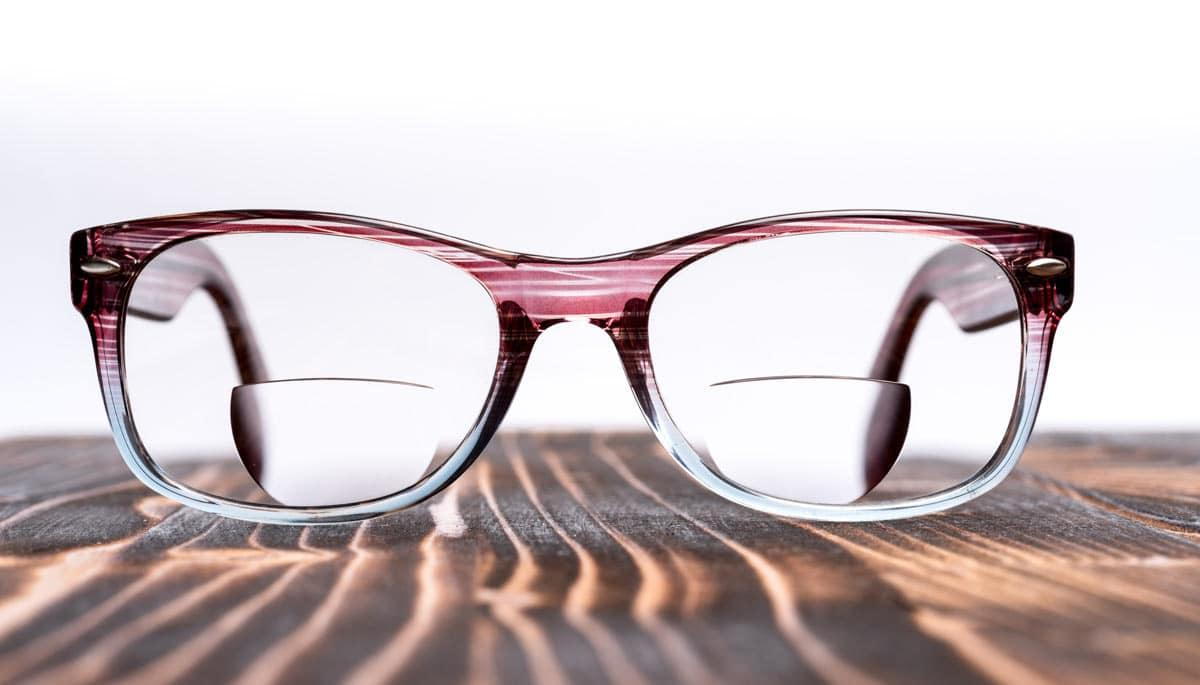
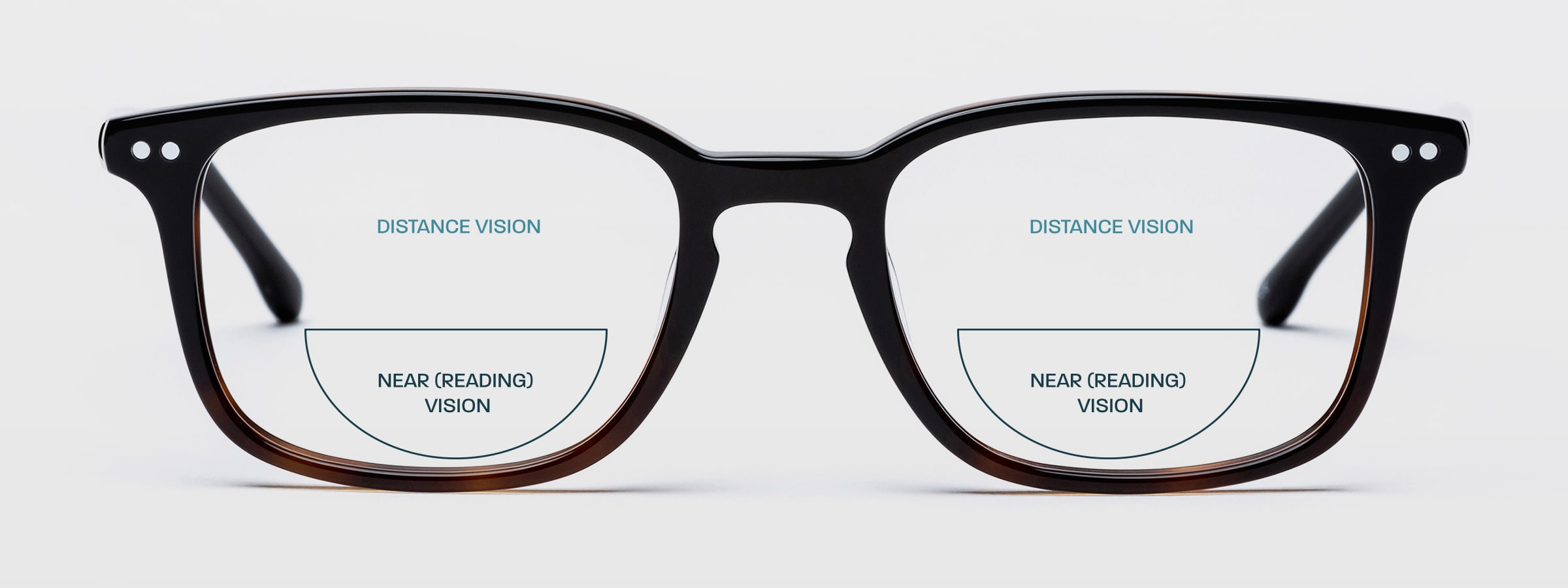
The primary differentiator of a bifocal lens is the “segment,” or the “add,” which is the small, often semi-circular portion located at the lower section of the lens. This segment is ground with a different dioptric power, specifically calibrated to compensate for the eye’s reduced accommodation. As the eye moves downward to read, the line of sight intersects this segment, instantly magnifying text and bringing close-up details into sharp focus.
Materials and Manufacturing Evolution
Modern manufacturing has transformed the aesthetic and functional properties of these lenses. Historically, bifocals were constructed using visible fused glass segments, often referred to as “Franklin” or “Executive” styles. Today’s lens technology utilizes high-index plastics and polycarbonate materials, allowing for thinner profiles and higher impact resistance. Digital surfacing technology now allows laboratories to create lenses with unprecedented precision, minimizing the “image jump”—the sudden shift in visual perspective that occurs when the eye crosses the demarcation line between the distance and near zones.
The Role of Bifocals in Digital Ergonomics
In an era where professionals spend upwards of eight to ten hours a day interacting with screens, the ergonomics of eyewear have become a critical component of digital workspace health. Bifocals play a vital role in preventing the “computer hunch”—a postural issue that arises when individuals adjust their necks awkwardly to find the focus point of their single-vision lenses.
Mitigating Digital Eye Strain
Digital Eye Strain (DES) is often exacerbated by the effort the eye exerts to maintain focus on pixelated displays. By providing a dedicated zone for near-work, bifocals allow users to maintain a neutral neck position while working on tablets, laptops, and smartphones. This reduction in micro-adjustments by the ocular muscles can significantly lower the fatigue reported by white-collar workers and digital creators alike.
Bridging the Gap Between Hardware and Document
For professionals who operate in hybrid environments—frequently alternating between viewing a desktop monitor and reviewing physical documents or handwritten notes—bifocals offer a consistent visual interface. The upper portion of the lens is optimized for the middle-to-far distance (such as a monitor or meeting room wall), while the segment is optimized for the desk-level workspace. This integration reduces the cognitive load associated with visual task-switching, allowing for a more fluid workflow throughout the workday.
Strategic Selection and Application
Choosing the right bifocal lens requires an understanding of one’s specific visual environment and task requirements. Not all bifocals are created equal; the geometry of the segment and the base curve of the lens must be tailored to the specific optical needs of the wearer.
Evaluating Segment Shapes
The “D-segment” or flat-top bifocal remains the industry standard for most users due to its wide field of view in the near zone. However, for those engaged in specialized technical tasks, circular segments or even full-width executive segments may be recommended. The decision involves a trade-off between the size of the near-vision area and the cosmetic profile of the glasses. Professionals who prioritize a clean, unobtrusive look often lean toward high-index D-segments, while those who prioritize wide-angle reading space may opt for larger, non-blended styles.
The Integration with Blue Light Filtering
As part of a comprehensive digital eye health strategy, modern bifocals are frequently paired with blue-light filtering coatings. These coatings are not merely aesthetic; they are designed to attenuate the high-energy visible (HEV) light emitted by LED-backlit screens. When integrated with the dual-zone bifocal design, these treatments create a comprehensive optical toolset. By protecting the eye from prolonged exposure to artificial blue light while simultaneously correcting near-focus deficiencies, the modern bifocal becomes a fundamental piece of productivity hardware.
Future Trends in Optical Wearables
The trajectory of optical technology is moving toward more sophisticated multifocal solutions, yet the bifocal remains the foundational architecture upon which advanced optics are built. As we look to the integration of augmented reality (AR) and heads-up displays, the lessons learned from bifocal engineering—specifically the management of layered focal planes—are becoming increasingly relevant.
Transitioning to Progressive Technology
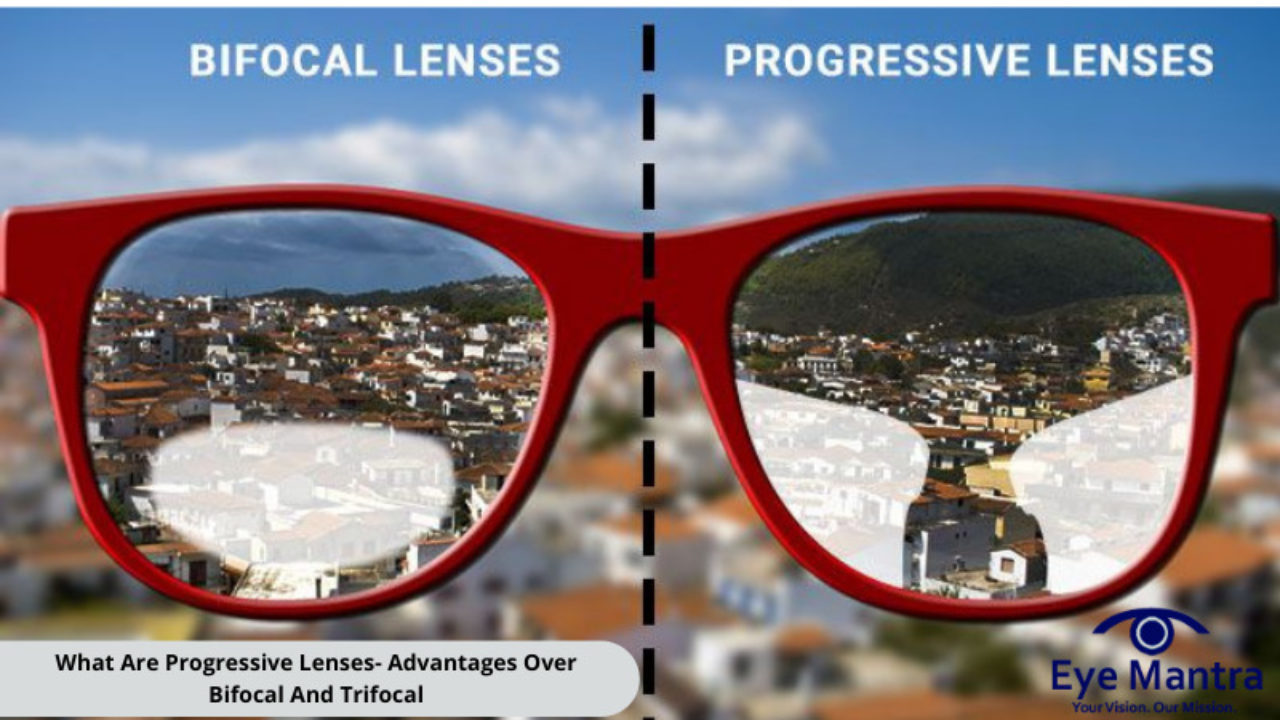
While the traditional bifocal remains widely used, the industry is seeing a shift toward “progressive” lenses, which provide a smooth, line-free gradient of focus. However, the crispness and instantaneous utility of the bifocal segment ensure its longevity. For many, the lack of peripheral distortion inherent in progressives makes the bifocal a superior tool for technical drawing, high-speed data entry, and other tasks requiring absolute focus stability.
Customization and Diagnostic Precision
The future of bifocals lies in high-definition diagnostic measurement. Modern optical shops now utilize wavefront aberration mapping and pupillometry to place the bifocal segment with sub-millimeter precision. This ensures that the transition between the distance and near zones is perfectly aligned with the natural downward rotation of the wearer’s eye. As AI-driven diagnostic tools become more common in the optical retail space, the personalization of bifocal lenses will continue to improve, ensuring that these tools remain indispensable in the digital age.
Ultimately, bifocal lenses are more than just a corrective device; they are an essential adaptation to the demands of modern visual life. By understanding the intersection of optical physics and digital ergonomics, users can leverage these lenses to maintain efficiency, comfort, and precision in their professional and personal lives. Whether interacting with complex software interfaces or navigating the day-to-day requirements of a screen-centric career, the bifocal remains a testament to the power of human ingenuity in overcoming the physiological limitations of aging, proving that with the right technology, vision need not be a barrier to continued productivity.
aViewFromTheCave is a participant in the Amazon Services LLC Associates Program, an affiliate advertising program designed to provide a means for sites to earn advertising fees by advertising and linking to Amazon.com. Amazon, the Amazon logo, AmazonSupply, and the AmazonSupply logo are trademarks of Amazon.com, Inc. or its affiliates. As an Amazon Associate we earn affiliate commissions from qualifying purchases.