
Cold Cranking Amps, universally abbreviated as CCA, serves as the primary technical metric for understanding a battery’s ability to initiate an engine ignition in extreme conditions. Within the landscape of automotive gadgets and vehicular technology, understanding this rating is essential for maintenance, troubleshooting, and selecting the correct power source for your machine. While many consumers focus solely on battery size or brand reputation, the CCA rating acts as the true functional specification that dictates whether a vehicle will roar to life on a freezing winter morning or fail to turn over entirely.
The Technical Definition of CCA
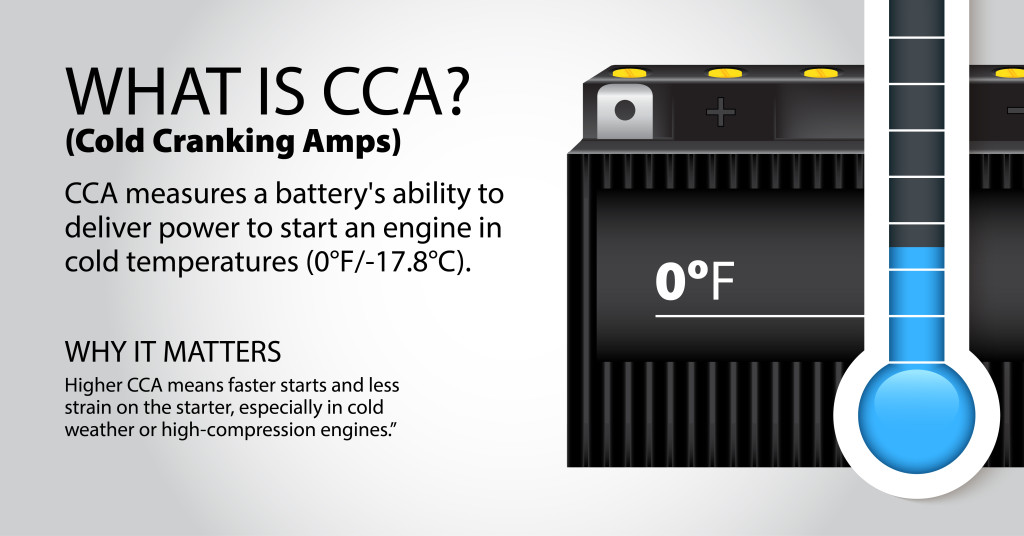
At its core, the Cold Cranking Amps rating defines the number of amps a 12-volt battery can deliver at 0°F (-18°C) for 30 seconds while maintaining a voltage of at least 7.2 volts. This standardized measurement is governed by the Battery Council International (BCI), providing a uniform baseline for manufacturers and consumers alike.
The Physics of Cold Starts
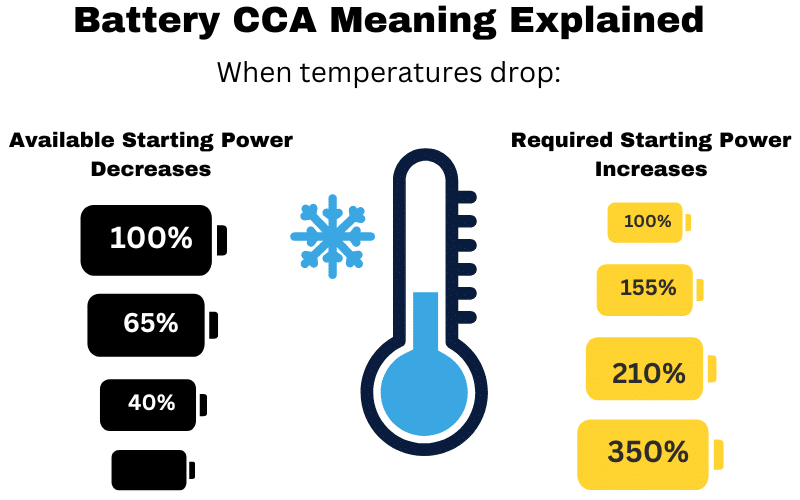
When a vehicle engine is cold, the oil inside the crankcase thickens, increasing internal friction. Simultaneously, the chemical reactions inside a lead-acid battery slow down significantly as temperatures drop. The battery must work harder to supply the high-amperage surge required by the starter motor to overcome this mechanical resistance. The CCA rating tells you exactly how much “punch” the battery can deliver during these high-demand, low-temperature scenarios.
Decoding the Math
If a battery is rated at 600 CCA, it means the unit is capable of outputting 600 amperes of current at 0°F for half a minute before the voltage drops to a level that can no longer effectively crank the engine. It is important to note that the CCA number does not represent the battery’s total capacity; rather, it represents the instantaneous discharge capability. A high CCA rating suggests a robust, low-internal-resistance battery design, typically achieved through thinner or more numerous lead plates that maximize surface area for chemical reactions.
Why CCA Matters in Modern Gadgets and Vehicles
Modern vehicles are increasingly complex, packed with electronic control units, sophisticated sensors, and advanced infotainment systems. While the CCA is primarily associated with the starter motor, it serves as an indicator of the overall health and “readiness” of the battery architecture.
The Evolution of Engine Requirements
Older, carbureted engines often required less electrical finesse but relied on raw power to get moving. Today’s fuel-injected, computer-managed engines require a clean, stable surge of voltage to initialize the Engine Control Unit (ECU). If the battery cannot meet the necessary CCA requirements during the initial turn of the key, the voltage may sag, causing the ECU to reboot or trigger error codes during the startup process. Understanding your specific vehicle’s minimum CCA requirement—usually found in the owner’s manual—is the first step in avoiding these common electrical glitches.
Overcoming Environmental Challenges
Geography plays a significant role in the necessity of a high CCA battery. If you reside in a climate where temperatures frequently dip below freezing, the CCA rating is the most critical spec on your battery label. In warmer climates, a battery with a lower CCA may suffice, as the engine oil remains fluid and the chemical processes within the battery are naturally accelerated by ambient heat. However, neglecting the CCA requirement in colder regions is the most common reason for roadside calls during the winter months.
Selecting the Right CCA for Your Vehicle
Choosing a battery is not a “bigger is better” scenario in every instance. While installing a battery with a significantly higher CCA than what your vehicle requires is rarely harmful, it is often an unnecessary expenditure.
Adhering to Manufacturer Specifications
Engineers calculate the minimum CCA required based on the engine displacement, the starter motor’s power draw, and the environmental operating range. It is generally recommended to match or slightly exceed the OEM (Original Equipment Manufacturer) CCA rating. If your manual specifies 550 CCA, purchasing a 600 CCA battery provides a healthy margin of error, especially as the battery ages and naturally loses some of its cold-start capability.
When Higher CCA Is Justified
There are specific scenarios where investing in a battery with an exceptionally high CCA is a strategic choice:
- Upgraded Audio and Lighting: If you have installed power-hungry aftermarket accessories, such as high-wattage subwoofers or auxiliary LED light bars, a higher CCA battery often comes with a larger reserve capacity, providing better stability for your electrical system.
- Diesel Engines: Diesel engines require higher compression and are significantly harder to turn over than gasoline engines. Consequently, they almost always require batteries with substantially higher CCA ratings to cope with the increased load.
- Extreme Climate Zones: If you live in an area that experiences brutal, sub-zero winters, opting for a battery with a CCA rating 10–15% higher than your vehicle’s base requirement can provide the necessary buffer to ensure a start after a vehicle has sat idle for several days.
Maintenance and the Degradation of CCA
A battery’s CCA rating is not a permanent feature; it is a performance ceiling that declines over time. Every time you start your car, the battery undergoes a discharge/recharge cycle that leads to sulfation—the buildup of lead sulfate crystals on the battery plates.
The Lifecycle of Performance
As sulfation increases and the internal plates degrade, the internal resistance of the battery rises. When internal resistance goes up, the maximum amperage the battery can deliver—its CCA—goes down. This is why a battery might work perfectly in July but fail the moment the first frost arrives in November. The capacity has dropped below the threshold required to handle the cold-start load.
Testing for Reliability
Modern battery testers allow users to measure the actual CCA of a battery versus its rated CCA. If your battery is rated for 700 CCA but tests at 350 CCA, you are operating on borrowed time. Routine testing—often available for free at automotive parts stores—is a vital part of proactive vehicle maintenance. Understanding this trend allows you to replace a battery before it leaves you stranded, rather than reacting to a failure.

Best Practices for Longevity
To preserve your battery’s CCA capabilities for as long as possible:
- Avoid Deep Discharges: Letting a battery drain completely can cause permanent damage to the plates, drastically reducing the CCA.
- Ensure Proper Charging: Ensure your vehicle’s alternator is functioning correctly. An undercharging alternator leads to constant sulfation.
- Clean Connections: Corrosion on the battery terminals increases electrical resistance. Even with a high CCA battery, dirty terminals can prevent that power from ever reaching the starter motor, negating the battery’s performance.
In conclusion, the Cold Cranking Amps rating is more than just a number on a label; it is a vital technical specification that ensures the bridge between your vehicle’s dormant state and operational power. By prioritizing this metric and understanding the physical demands placed on your battery, you can ensure reliable performance regardless of the elements. Whether you are a casual driver or a performance enthusiast, respecting the CCA requirement is the hallmark of informed vehicle maintenance.
aViewFromTheCave is a participant in the Amazon Services LLC Associates Program, an affiliate advertising program designed to provide a means for sites to earn advertising fees by advertising and linking to Amazon.com. Amazon, the Amazon logo, AmazonSupply, and the AmazonSupply logo are trademarks of Amazon.com, Inc. or its affiliates. As an Amazon Associate we earn affiliate commissions from qualifying purchases.