
The concept of an “adult movie theater” serves as a fascinating case study in retail branding and market segmentation. While the term carries a specific cultural and legal connotation, from a business perspective, it represents a highly specialized form of brick-and-mortar marketing. To understand the viability and strategy behind such an establishment, one must strip away the social perceptions and look at the fundamental principles of brand strategy, customer experience management, and the economics of niche-market dominance.
The Strategy of Niche Brand Positioning
In the landscape of modern retail, the most successful brands are those that define a specific segment and serve it with precision. An adult movie theater is, at its core, a business built on extreme segmentation. Unlike a multiplex cinema that attempts to appeal to a broad demographic—families, teenagers, couples, and seniors—the adult movie theater identifies a narrow, pre-qualified consumer group and aligns its entire brand identity around the needs, privacy, and preferences of that group.

Identifying the Target Demographic
Effective brand strategy begins with a deep understanding of the consumer. In this niche, the consumer value proposition is built upon three pillars: privacy, accessibility, and consistency. A brand operating in this space does not compete on the latest blockbuster releases; it competes on the reliability of the environment. The “product” is not merely the film, but the atmosphere of exclusivity and discretion. By focusing on these specific customer needs, the brand reinforces its market position as a destination rather than a commodity.
The Role of Physical Environment in Branding
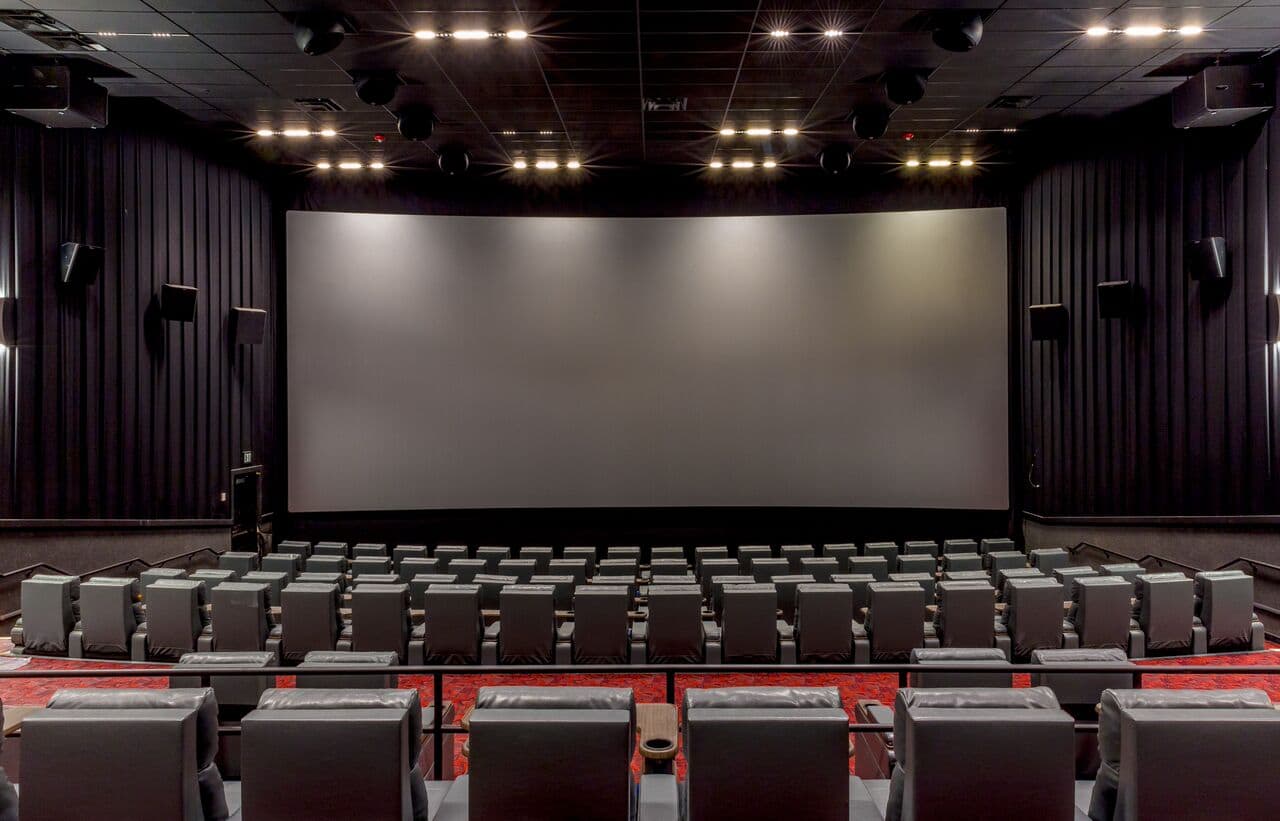
The layout, exterior facade, and interior design of an adult movie theater are critical components of its brand strategy. Because the brand is rooted in the concepts of discretion and niche interest, the architecture must signal safety and anonymity to the customer. This is a deliberate exercise in physical branding. Where a traditional theater uses neon lights, posters of upcoming hits, and open lobbies to encourage foot traffic and social gathering, the adult movie theater utilizes architectural cues that imply restricted access and containment. This design language is a form of communication that tells the customer, “This space is built for your specific requirements.”
Operational Branding and Customer Experience
A brand is ultimately defined by the consistency of the customer journey. In industries that operate in the shadow of social taboo, the “Customer Experience” (CX) is the most powerful tool for brand loyalty. Because these businesses cannot rely on traditional marketing channels like mass-market social media advertising or public partnerships, they must excel at operational excellence to sustain a loyal client base.
Building Trust Through Discretion
Discretion is the primary product attribute. For the customer, the fear of exposure is a significant barrier to entry. Therefore, a successful business in this sector builds its brand reputation on the strict adherence to privacy protocols. This includes everything from the handling of payment data and member registration to the physical configuration of the entrance and exit points. When a business consistently delivers on the promise of anonymity, it creates an immense competitive advantage that a standard, high-visibility business cannot replicate.
Maintaining Brand Standards in a Niche Environment
Standardization is difficult when the brand cannot be discussed openly. However, professional operators in this space maintain rigid internal brand standards. This involves rigorous maintenance, high levels of sanitation, and a standardized “vibe” that ensures every visit is identical to the last. For the customer, this predictability reduces the anxiety associated with visiting an adult-oriented establishment. By standardizing the environment, the business transforms from a “sketchy” location into a professional, service-oriented enterprise. This shift in perception is the hallmark of effective brand management in any controversial or niche industry.
The Business Ecosystem and Market Sustainability
The financial viability of an adult movie theater relies on a business model that is vastly different from that of mainstream entertainment. While Hollywood theaters rely on high-volume ticket sales and concession margins, adult venues often operate on a high-margin, low-volume subscription or per-use model. Understanding the economic structure behind these brands reveals a focus on long-term client retention rather than the pursuit of new market share.
Financial Models and Revenue Streams
Because these businesses operate in a niche, they are immune to the volatility of the “hit-or-miss” blockbuster cycle that plagues mainstream cinema. Their revenue is driven by recurring customers who prioritize the niche content and the environment over current trends. This allows the business to forecast revenue with a degree of precision that is rarely possible in broader entertainment markets. Furthermore, the operational overhead is often optimized for longevity; by minimizing marketing spend—which would be ineffective or prohibitively expensive due to advertising restrictions—these brands can focus their capital on internal infrastructure and operational security.
Navigating Regulatory and Public Perception Challenges
Every brand must navigate the landscape of its industry, but brands in the adult sector face unique regulatory hurdles. Strategic branding in this context involves a sophisticated approach to risk management. Successful businesses treat their relationship with local authorities and the surrounding community as a core part of their brand strategy. By maintaining a clean, quiet, and unobtrusive presence, they reduce the likelihood of regulatory interference. This is a form of “Corporate Identity” that prioritizes being a silent neighbor over being a visible business. The brand’s success is tied to its ability to exist in the community without drawing external attention—a paradoxical but essential branding goal.
Future-Proofing the Niche Brand
The rise of digital content has disrupted the cinema industry at large, and adult movie theaters have had to adapt their branding strategy to maintain relevance. When consumers can access content privately on personal devices, the value proposition of a physical location must shift. This is where brand strategy becomes particularly innovative.
Pivoting Toward Experiential Value
To remain competitive against the instant availability of home streaming, these theaters have transitioned from being “content providers” to “environment providers.” The brand strategy is no longer just about the film; it is about the physical space. The theater provides a change of scenery, a controlled atmosphere, and a sense of disconnection from the outside world that a digital device cannot offer. By pivoting the brand focus toward the “in-person experience,” these businesses have successfully carved out a survival strategy that leverages their physical footprint as a differentiator against the digital deluge.

The Role of Technology in Anonymity and Convenience
Even in a traditional physical space, technology plays a critical role in modernizing the brand. Automated ticketing, secure self-check-in kiosks, and digital loyalty programs provide a frictionless experience that further reinforces the brand’s commitment to user privacy. By adopting these technologies, the business demonstrates a commitment to the modern consumer, moving away from outdated, manual processes toward a seamless, tech-enabled environment. This investment in the user interface is, ultimately, an investment in the brand’s reputation.
Ultimately, an adult movie theater is not simply a location for viewing films; it is a meticulously managed brand. Through the application of classic branding principles—identifying a niche, managing customer experience, ensuring operational consistency, and mitigating risks—these businesses maintain stability in a highly specialized market. Whether one views the establishment through a lens of entertainment or as a study in retail management, the success of such an enterprise depends entirely on its commitment to its specific brand promise: a controlled, private, and consistent environment for a defined audience.
aViewFromTheCave is a participant in the Amazon Services LLC Associates Program, an affiliate advertising program designed to provide a means for sites to earn advertising fees by advertising and linking to Amazon.com. Amazon, the Amazon logo, AmazonSupply, and the AmazonSupply logo are trademarks of Amazon.com, Inc. or its affiliates. As an Amazon Associate we earn affiliate commissions from qualifying purchases.