
In the complex world of business finance and risk management, the ability to predict costs is essential for maintaining liquidity and long-term solvency. While many business owners are familiar with per-occurrence insurance limits—the amount an insurer will pay for a single claim—there is another layer of coverage that often dictates the true financial stability of a company: aggregate insurance. Understanding aggregate limits is not just a matter of reading an insurance policy; it is a fundamental aspect of financial forecasting and risk mitigation.
Defining Aggregate Insurance and Limits
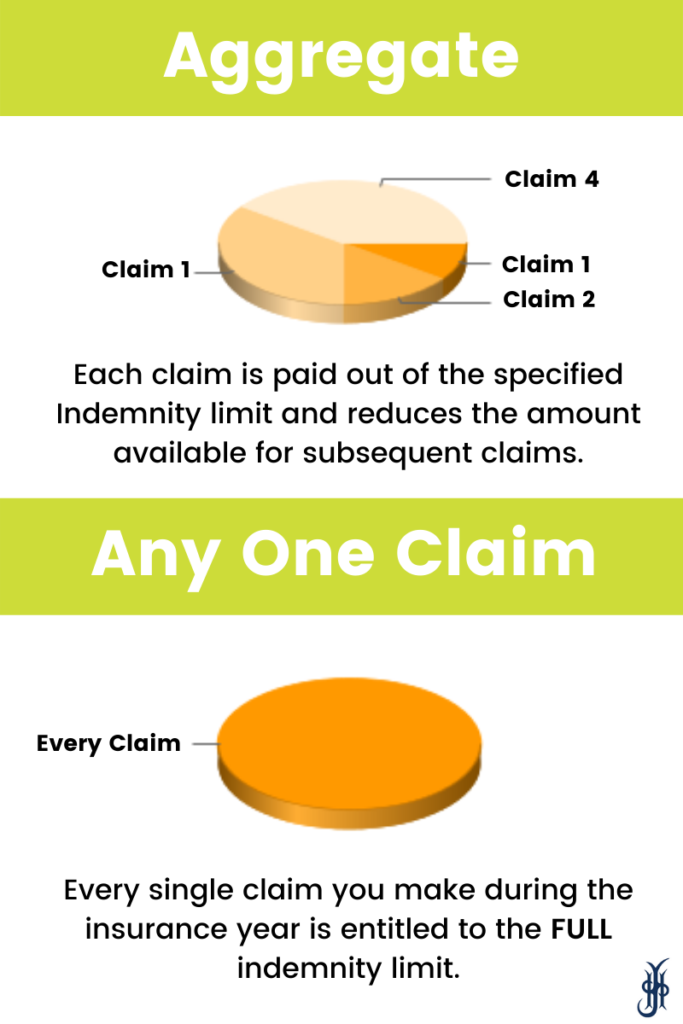
At its core, aggregate insurance refers to a cap on the total amount an insurer will pay for all covered claims within a specific policy period, usually one year. While per-occurrence limits act as a ceiling for individual incidents, aggregate limits serve as a total budgetary wall for the entire term of the policy.
The Distinction Between Per-Occurrence and Aggregate
To grasp the concept of aggregate insurance, one must distinguish it from the per-occurrence limit. If a construction firm carries a general liability policy with a $1 million per-occurrence limit and a $2 million aggregate limit, they have protection for any single accident up to $1 million. However, if the firm experiences three separate accidents of $800,000 each, the per-occurrence limit would cover the full amount of each incident individually. However, because the total cost would reach $2.4 million, the aggregate limit of $2 million would be triggered. The business would be responsible for the remaining $400,000, as the insurer has reached its total financial commitment for the policy year.
Why Aggregate Limits Matter for Business Finance
For companies operating in high-risk industries, such as manufacturing, construction, or professional services, aggregate limits represent a “worst-case scenario” budget. If a company burns through its aggregate limit early in the policy year due to a series of unforeseen claims, they are effectively “bare”—meaning they are uninsured—for any subsequent losses for the remainder of that term. This creates a significant gap in the balance sheet, potentially exposing the company’s assets to litigation or bankruptcy.
The Financial Impact of Aggregate Coverage on Operations
Integrating aggregate insurance into your business finance strategy involves more than just paying a premium; it requires an assessment of your company’s exposure profile and its ability to absorb residual risk.
Risk Accumulation and Loss Volatility
Every business faces varying degrees of loss volatility. A retail shop might have a very low likelihood of multiple high-value claims, making aggregate limits less of a concern. Conversely, a logistics company or a software provider dealing with data breaches may face “clumping,” where multiple claims occur in short succession. Aggregate insurance is the primary defensive tool against this clumping effect. By analyzing historical loss runs, financial officers can determine if their current aggregate limits are sufficient to cover potential surges in liability.
Capital Allocation and Deductibles
When choosing an aggregate limit, a business is essentially choosing its maximum potential financial liability for the year. A higher aggregate limit typically commands a higher premium, which impacts cash flow. Conversely, choosing a lower aggregate limit reduces annual insurance costs but increases the risk of a “capital call”—a scenario where the company must suddenly find cash to cover an uninsured loss. Financial managers must perform a cost-benefit analysis, weighing the cost of higher premiums against the potential cost of self-insuring the excess above the aggregate cap.
Aggregate Insurance in Specialized Markets

While common in general liability, aggregate limits appear in various financial contexts, particularly where the risk is high or the environment is highly regulated.
Excess and Surplus Lines
For businesses that require coverage above standard market limits, excess and surplus lines often utilize aggregate structures to manage the insurer’s exposure. These policies are designed for “hard-to-place” risks. In these arrangements, the aggregate limit acts as a crucial negotiating point. Financial stakeholders must ensure that these limits are not eroded by minor claims, which would leave the company vulnerable to a catastrophic “shock loss” later in the policy cycle.
Professional Liability and Data Privacy
In the realm of digital services and financial consulting, errors and omissions (E&O) and cyber liability policies almost always feature aggregate limits. As cyber threats become more sophisticated, the risk of a single “event” triggering a massive aggregate claim (such as a widespread system breach affecting multiple clients) increases. Businesses in the tech sector must treat their aggregate cyber insurance limits as a core component of their financial disaster recovery plan.
Strategic Planning for Aggregate Limit Management
Effective management of insurance aggregates is a proactive financial function. It requires periodic review of the policy language and alignment with the company’s growth trajectory.
The Importance of Annual Reviews
As a company grows, its exposure grows. A contract that seemed small three years ago may now represent a significant portion of annual revenue. If the company’s insurance aggregate limit remains static while business volume increases, the company is effectively becoming more underinsured over time. Financial leaders should conduct a “stress test” annually, where they calculate the total value of all projects or assets and compare them against the total aggregate insurance capacity.
Negotiating Aggregate Limits with Carriers
Not all insurance policies are created equal. When negotiating with underwriters, firms should look for features that protect the aggregate limit from unnecessary erosion. For example, some policies may offer “reinstatement of limits,” which allows a company to purchase additional coverage if the original aggregate limit is exhausted. While this incurs an additional cost, it provides a vital safety net for businesses that cannot afford to be without coverage for even a few months.
Integrating Insurance into Cash Flow Forecasting
For sophisticated financial management, aggregate limits should be treated as a potential liability on the books. If an enterprise identifies that its operations have a high probability of exhausting the aggregate limit, it should maintain a “contingency reserve” of cash or accessible credit. This reserve serves as a self-insured bridge to cover losses that exceed the aggregate cap. By treating the aggregate limit as a dynamic financial threshold, businesses can avoid the liquidity crises that often follow large, unexpected insurance gaps.
Conclusion: The Aggregate Limit as a Financial Lever
Aggregate insurance is far more than a technical detail found in the fine print of a policy; it is a pillar of responsible corporate governance and financial planning. By understanding how these limits interact with per-occurrence coverage, business owners can better assess their exposure to multi-event disasters.
Ultimately, the goal is to align the aggregate limit with the company’s risk appetite and capital structure. Companies that rely on standard, low-limit policies without regard for their aggregate exposure are leaving their long-term financial health to chance. In contrast, those who treat aggregate insurance as a strategic financial instrument can effectively navigate periods of high volatility, ensuring that even in the face of multiple setbacks, the enterprise remains capitalized, protected, and operational. Whether you are a small business owner or a financial controller for a mid-sized firm, auditing your aggregate limits today is the most effective way to ensure your business remains resilient in an unpredictable economic climate.
aViewFromTheCave is a participant in the Amazon Services LLC Associates Program, an affiliate advertising program designed to provide a means for sites to earn advertising fees by advertising and linking to Amazon.com. Amazon, the Amazon logo, AmazonSupply, and the AmazonSupply logo are trademarks of Amazon.com, Inc. or its affiliates. As an Amazon Associate we earn affiliate commissions from qualifying purchases.