
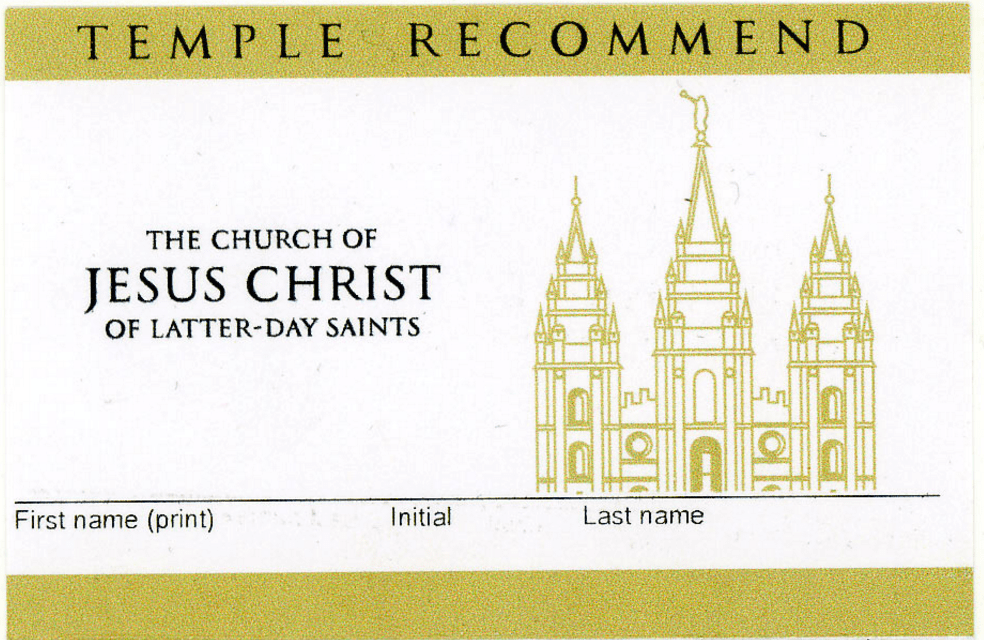
In the architecture of institutional branding, few credentials hold as much weight as the temple recommend. For members of The Church of Jesus Christ of Latter-day Saints, this small piece of cardstock represents far more than a simple entry permit; it is the ultimate expression of corporate alignment, personal commitment, and the successful navigation of a sophisticated identity management system. Understanding the temple recommend requires viewing it through the lens of brand strategy—specifically, how an organization maintains consistent values, rigorous standards, and a dedicated community of practitioners.
The Strategy of Gatekeeping and Community Integrity
At the core of any high-stakes brand identity is the concept of exclusivity and the maintenance of a “premium” experience. In organizational terms, the temple recommend functions as a security protocol that reinforces the brand’s core mission. By requiring a systematic review of a member’s adherence to institutional standards, the organization ensures that the physical spaces associated with its most sacred offerings remain protected and aligned with its established values.
Defining the Value Proposition
The temple recommend is not an arbitrary barrier; it is a strategic tool designed to curate the environment within the temple. From a branding perspective, the consistency of the environment is the product. When every individual inside that space is committed to the same set of ethical and spiritual guidelines, the collective output—a sense of unity and shared purpose—is amplified. This is a classic case study in managing brand culture; by setting a high bar for participation, the organization elevates the perceived value of the experience for those who successfully qualify.
Verification as a Trust Protocol
In the digital age, we talk about “zero-trust architectures” and “identity verification.” The temple recommend is the analog predecessor to these concepts. It requires a two-factor verification process: the personal self-attestation of the individual and the endorsement of institutional representatives (local leadership). This hierarchical verification ensures that the “brand promise”—that these sites are places of peace and specific instructional value—is kept for every participant. It turns every member into a custodian of the brand’s integrity.
The Human Element: Maintaining Individual Alignment
If we view personal branding through the lens of organizational loyalty, the temple recommend represents the ultimate alignment between an individual’s identity and the corporate identity. To obtain this document, an individual must undergo a “worthiness interview,” which functions essentially as a strategic audit of one’s personal life against the organizational charter.
Transparency and Standardized Metrics
The interview process utilizes a standardized set of questions that act as KPIs (Key Performance Indicators) for the individual’s commitment. These questions cover behavioral standards, ethical compliance, and institutional support. By maintaining a uniform set of metrics globally, the organization achieves brand consistency. Regardless of whether a member is in Tokyo, Salt Lake City, or London, the requirements remain identical. This ubiquity reinforces the brand’s global identity, ensuring that the experience is scalable without diluting the quality of the “service.”
The Psychology of Recurring Renewals
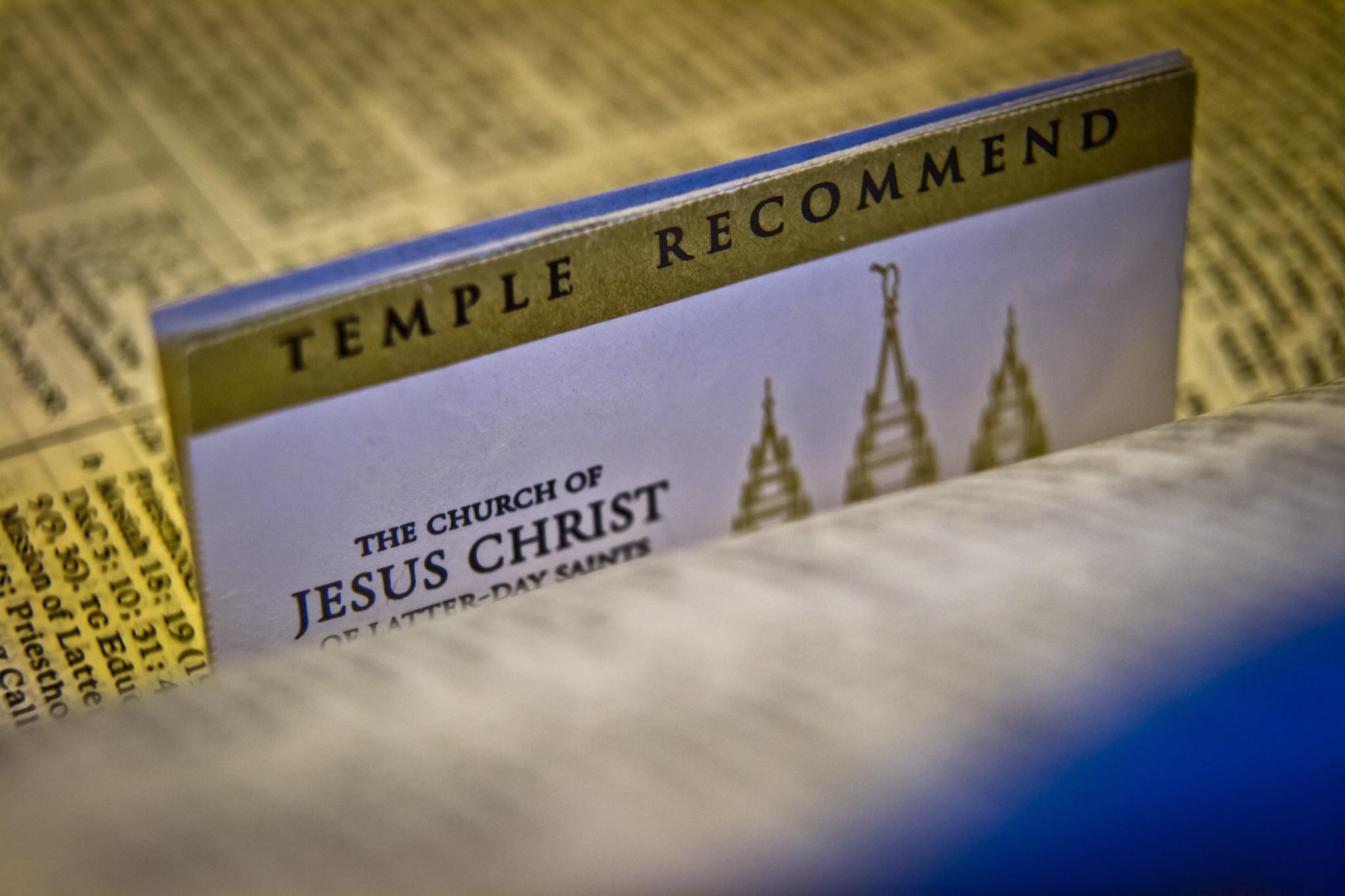
The temple recommend is not a lifetime appointment; it has an expiration date, typically every two years. This is a stroke of branding genius. By requiring periodic renewal, the organization mandates a “check-in” process that prevents complacency. It prompts the individual to pause, reflect on their adherence to the organization’s mission, and re-commit. This cyclical process is vital for long-term brand retention, as it encourages members to treat their affiliation not as a static state, but as an active, ongoing partnership. It ensures that the brand remains at the forefront of the individual’s personal mission statement.
Operationalizing the Brand: Managing the Gatekeeper Interface
The success of the temple recommend system relies heavily on the quality of its “front-line managers”—the local clergy who conduct the interviews. The brand strategy relies on these individuals to act as mediators between the high-level policy and the lived reality of the members.
Training and Quality Assurance
In any corporate structure, the consistency of the customer experience depends on the training of those who interpret the rules. For the temple recommend, this involves rigorous manuals and policy guidelines provided to the clergy. This ensures that while the interview is a deeply personal interaction, the standards of judgment remain within a defined threshold of professional tolerance. By maintaining a standard operating procedure (SOP), the organization protects itself from rogue interpretations that could alienate its user base or compromise the integrity of the site entry.
The Role of Feedback Loops
The interview is not merely an interrogation; it is a feedback loop. When a member prepares for a recommend interview, they are forced to confront the gaps between their current behavior and their aspirations. This self-correction mechanism is a powerful driver of brand loyalty. It gives the user a sense of agency; they are not just being “let in,” they are qualifying themselves. This psychological nuance is what differentiates a cult-like demand for obedience from an empowered brand community built on self-discipline and shared vision.
Scalability and the Future of Digital Credentialing
As the organization grows, the logistical challenge of managing these credentials becomes more apparent. We are currently witnessing a shift toward digital transformation within many religious organizations. The temple recommend is evolving from a physical card to a digital-first credential integrated into apps and online portals.
Integrating Tech into Traditional Frameworks
The integration of digital credentials into the temple entry process is an excellent example of brand evolution. By digitizing the recommend, the organization reduces the administrative burden on its volunteers, streamlines the entry process at physical gates (temples), and provides real-time verification. This doesn’t change the fundamental nature of the “brand promise”; rather, it enhances the user experience by reducing friction. The goal of any successful brand strategy is to make it easier for the “customer” to interact with the service while maintaining the exclusivity of the tier.
Managing Scale without Dilution
One of the greatest threats to a brand is rapid growth that leads to dilution. By maintaining the temple recommend system, the organization creates a “buffer” that allows it to scale globally without losing its core identity. Even as it builds hundreds of new temples, the rigorous vetting process ensures that the community inside remains cohesive. The recommend acts as a stabilizer, anchoring the organization’s growth in a foundation of standardized behavior and shared values. It serves as a reminder that regardless of the number of physical assets, the true value of the brand is found in the quality of its community members.

Conclusion: The Recommend as an Identity Statement
Ultimately, the temple recommend is a testament to the power of structured organizational strategy. It manages to balance the needs of a global institution with the deeply personal spiritual needs of the individual. By acting as a checkpoint for value alignment, an audit tool for personal behavior, and a scalable credentialing system, it remains one of the most effective examples of community management in the modern world.
Whether viewed through the lens of a case study on organizational longevity or as a tool for personal identity construction, the temple recommend illustrates that a brand is only as strong as its ability to maintain its values under pressure. It provides a blueprint for how institutions can foster deep, long-term loyalty by asking their community to participate in the process of defining what it means to belong. Through these deliberate processes, the brand preserves its integrity, ensuring that for every individual who carries the recommend, the weight of that piece of cardstock—and the digital profile behind it—remains a source of immense pride and strategic focus.
aViewFromTheCave is a participant in the Amazon Services LLC Associates Program, an affiliate advertising program designed to provide a means for sites to earn advertising fees by advertising and linking to Amazon.com. Amazon, the Amazon logo, AmazonSupply, and the AmazonSupply logo are trademarks of Amazon.com, Inc. or its affiliates. As an Amazon Associate we earn affiliate commissions from qualifying purchases.