
In the fast-paced world of modern commerce, the ability to articulate value clearly and consistently is the bedrock of revenue growth. Whether you are a solo entrepreneur pitching a new service or a sales manager overseeing a hundred-person call center, the efficacy of your outreach hinges on your messaging. A sales script is more than a list of talking points; it is a meticulously engineered framework designed to navigate the complexities of human psychology, address customer pain points, and lead prospects toward a favorable decision.
By defining what a sales script is—and more importantly, how it functions—we can dismantle the misconception that scripts are robotic or artificial. Instead, when executed correctly, a sales script serves as the strategic roadmap that ensures brand consistency and message clarity in every interaction.

The Strategic Purpose of a Sales Script
At its core, a sales script is a documented guide that outlines the flow, content, and objectives of a sales interaction. It serves as a navigational tool for sales representatives, helping them move from an initial greeting to a successful close without losing momentum.
Consistency Across Brand Touchpoints
One of the primary values of a sales script in the context of brand strategy is the preservation of brand identity. When multiple sales representatives communicate with potential clients, there is a significant risk that the core value proposition will become diluted or distorted. A standardized script ensures that every touchpoint reflects the company’s voice, mission, and unique value proposition. This uniformity builds trust; when a prospect hears a consistent message across email, social media, and phone calls, it reinforces the brand’s authority and professionalism.
Reducing Cognitive Load
Sales is an emotionally and cognitively taxing profession. Dealing with objections, managing rejection, and maintaining energy throughout the day can lead to decision fatigue. A well-structured script acts as a safety net. It allows the salesperson to focus their mental energy on active listening and building rapport rather than constantly struggling to formulate the next sentence. When the structure is already in place, the salesperson can dedicate their creativity to personalization, which is the hallmark of effective relationship-based selling.
Architecture of a High-Converting Sales Script
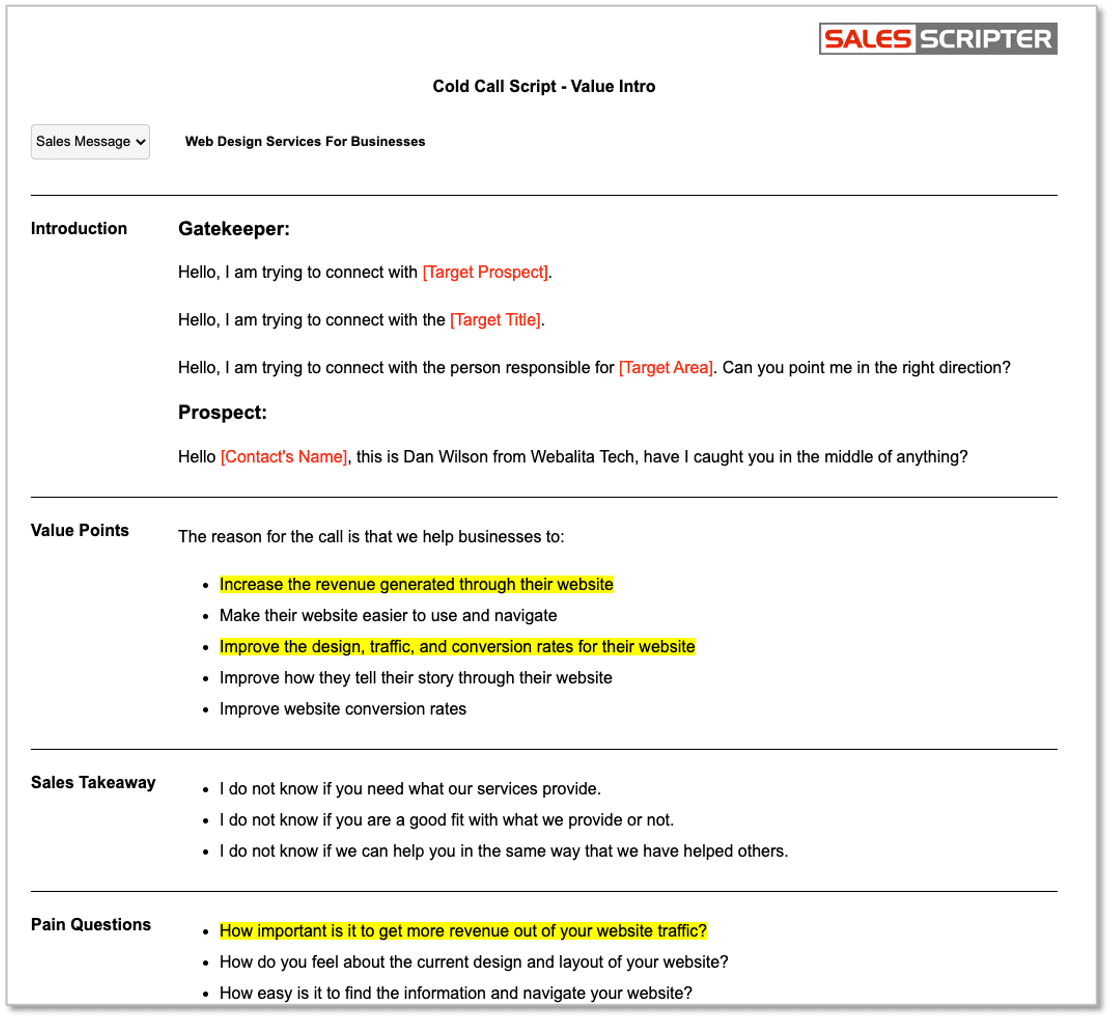
A successful sales script is not a verbatim recitation of jargon; it is a modular system that adapts to the flow of conversation. To build a script that converts, brands must focus on four distinct stages: the hook, the discovery, the value proposition, and the closing.
The Hook: Capturing Attention Immediately
In an era of information overload, the first ten seconds of an interaction determine its success. The “hook” is not about a hard sell; it is about establishing immediate relevance. This section must identify the problem the prospect faces and signal that the salesperson understands that challenge better than anyone else. By leading with empathy and insight rather than a sales pitch, the brand positions itself as a partner rather than a vendor.
The Discovery: Uncovering the Why
The discovery phase is the heart of the script. It consists of open-ended, strategic questions designed to uncover the prospect’s underlying needs, goals, and fears. This is where a brand demonstrates its expertise. By asking insightful questions, the salesperson helps the prospect articulate their pain points, which makes the subsequent value proposition feel like a logical solution rather than a pushy demand.
The Value Proposition: Connecting Solutions to Needs
Once the pain points are on the table, the script must pivot to the value proposition. This section should not just list features. Instead, it must bridge the gap between the prospect’s current struggle and the future state of success that the brand provides. Using the language identified during the discovery phase, the script frames the product or service as the essential vehicle for the prospect’s desired outcome.
The Closing: Removing Friction
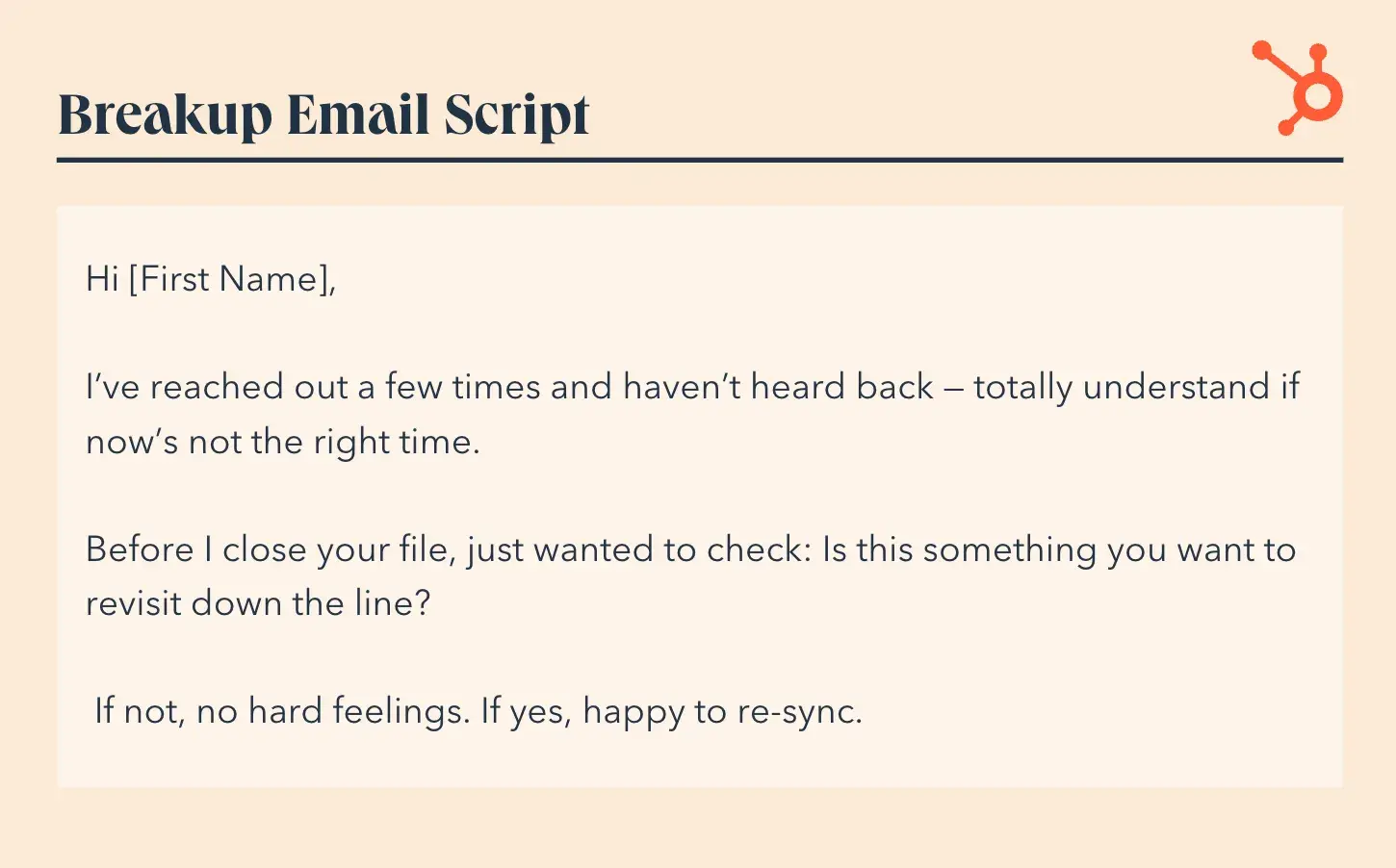
Many sales interactions stall because the request for the next step is ambiguous. A professional sales script includes a clear, low-friction “call to action.” Whether it is scheduling a demonstration, signing a proposal, or setting a follow-up meeting, the closing must be an invitation, not a confrontation. By removing the guesswork from the next steps, the brand respects the prospect’s time and reduces the likelihood of the deal losing momentum.
Integrating Branding into Sales Conversations
Sales is the front line of brand strategy. Every interaction with a prospect is an opportunity to reinforce the corporate identity and deepen the relationship between the company and its audience. A sales script should be treated as a piece of brand marketing, requiring the same level of care as a white paper or a social media campaign.
Aligning Tone and Voice
The tone of a sales script must be perfectly calibrated to the brand’s positioning. If a company positions itself as an innovative, high-energy tech disruptor, the script should be concise, direct, and forward-thinking. If the brand emphasizes high-touch, consultative partnerships, the script should be inquisitive, patient, and empathetic. When the script’s tone clashes with the brand’s established personality, the result is a fragmented experience that erodes customer confidence.
Overcoming Objections as Brand Storytelling
Objections are not merely obstacles; they are opportunities to reinforce the brand narrative. When a prospect raises a concern about price, implementation time, or features, the response should not be a defensive argument. Instead, it should be an expression of the brand’s core philosophy. For example, if a prospect challenges a premium price point, a strong script directs the salesperson to explain the brand’s commitment to quality, durability, or long-term ROI—elements that define the brand’s identity in the marketplace.
The Evolution of the Script: Analytics and Optimization
In the modern business landscape, the “set it and forget it” approach to sales scripts is obsolete. A truly strategic brand treats its sales script as a living document that undergoes continuous improvement based on data and real-world results.
Feedback Loops and Iteration
The most effective scripts are built on the back of successful interactions. By analyzing high-conversion calls and identifying the specific phrasing that resonated with prospects, managers can refine the script over time. This iterative process turns the sales department into an intelligence-gathering unit, feeding valuable data back into the marketing and product development teams.
Balancing Structure with Flexibility
The greatest danger of the sales script is the risk of sounding robotic. To mitigate this, high-performing organizations train their teams to view the script as a “skeleton” rather than a “straitjacket.” Professional development in this area focuses on teaching staff how to deviate from the script to build genuine rapport, then expertly steering the conversation back to the established framework. This hybrid approach—combining structured strategy with authentic human connection—is what distinguishes market leaders from their competitors.
Conclusion
The sales script is an essential asset in the arsenal of any business focused on growth and brand integrity. It is the bridge between the conceptual work of marketing and the concrete results of closed revenue. By providing a consistent framework, clarifying the value proposition, and aligning the sales force with the company’s strategic identity, a well-crafted script empowers a business to operate with precision.
As market conditions evolve and customer expectations rise, the brands that succeed will be those that view their sales interactions as a carefully orchestrated extension of their brand story. A script, when properly researched, articulated, and refined, ensures that every word spoken on behalf of the company serves a purpose—moving the prospect from a state of uncertainty to a state of committed partnership. It is, ultimately, the blueprint for effective commercial communication in a competitive world.
aViewFromTheCave is a participant in the Amazon Services LLC Associates Program, an affiliate advertising program designed to provide a means for sites to earn advertising fees by advertising and linking to Amazon.com. Amazon, the Amazon logo, AmazonSupply, and the AmazonSupply logo are trademarks of Amazon.com, Inc. or its affiliates. As an Amazon Associate we earn affiliate commissions from qualifying purchases.