
Buying a home is arguably the most significant financial transaction most individuals will ever undertake. Amidst the excitement of house hunting, open houses, and envisioning your future in a new space, the legal and financial complexities of the purchase contract can feel overwhelming. One of the most critical safeguards embedded in a real estate contract is the mortgage contingency. Understanding this clause is not just recommended; it is essential for protecting your hard-earned capital and ensuring you do not enter a binding agreement that could lead to financial ruin.
Defining the Mortgage Contingency Clause
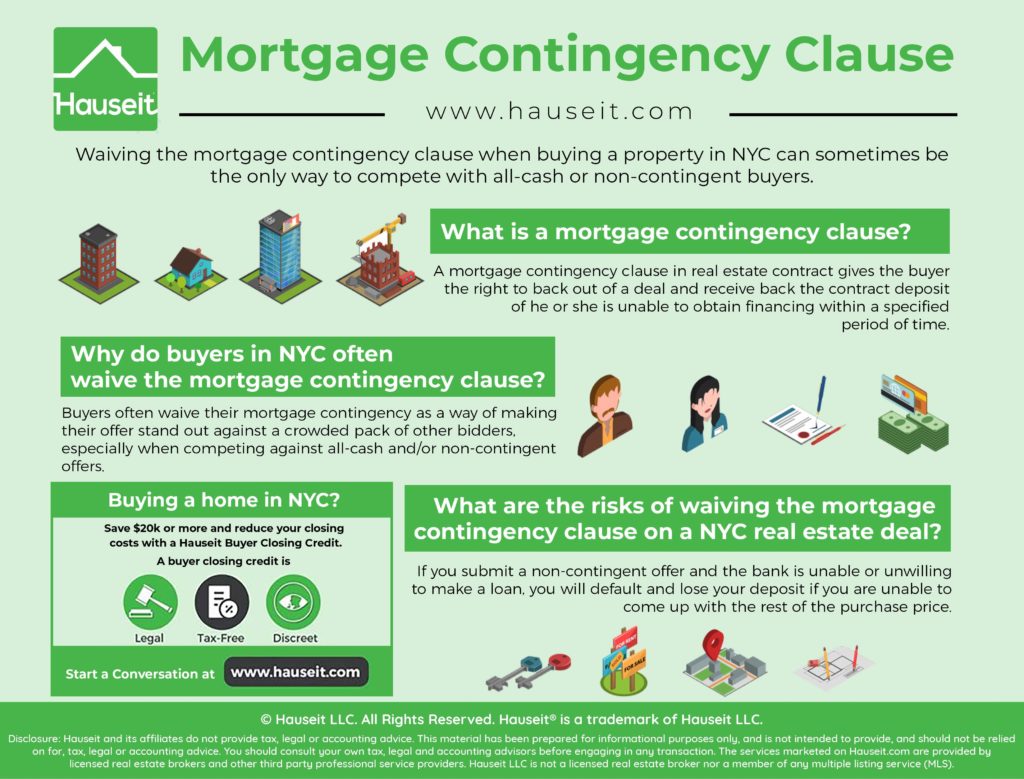
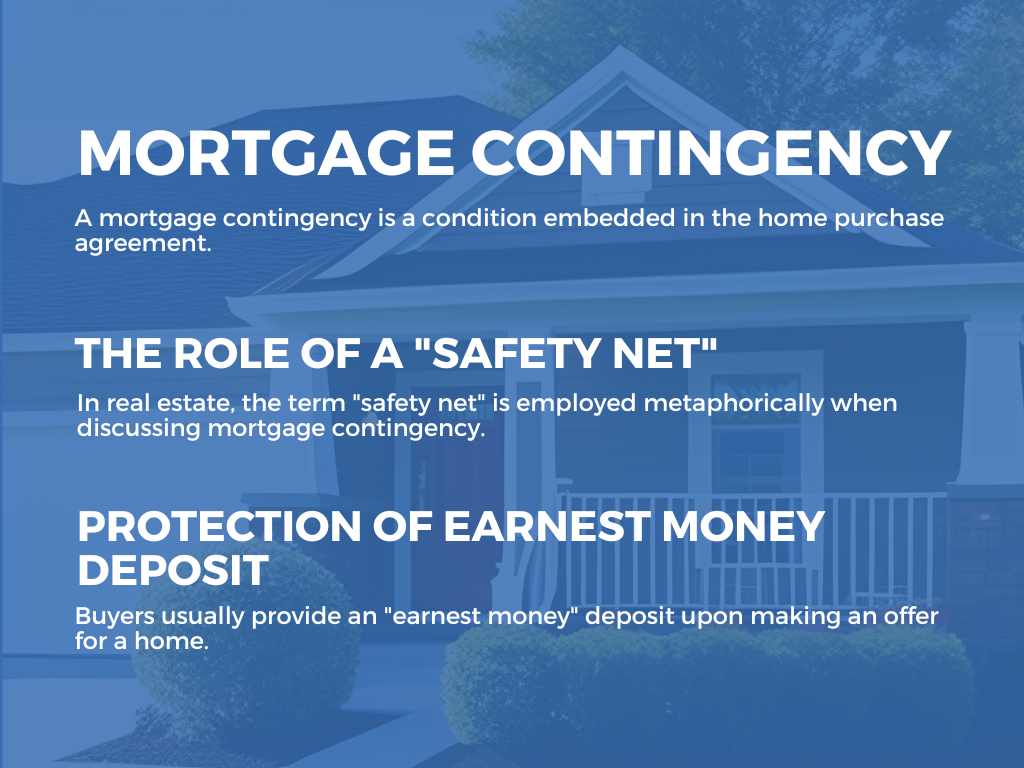
At its core, a mortgage contingency—also known as a financing contingency—is a legal provision in a real estate purchase agreement. It stipulates that the buyer’s obligation to purchase the property is conditional upon their ability to secure a mortgage loan under specific terms. Essentially, it acts as a “safety valve” that allows the buyer to withdraw from the contract and recover their earnest money deposit if their financing falls through for reasons outside of their control.
The Role of Earnest Money
When you sign a purchase agreement, you are typically required to provide an earnest money deposit—a good-faith payment that signals to the seller you are serious about the transaction. Without a mortgage contingency, if your loan application is denied or the lender changes the terms, you would be in breach of contract by failing to close. In such a scenario, the seller would likely have the legal right to retain your earnest money. The contingency clause ensures that your financial protection is prioritized if the banking world does not align with your purchase timeline.
Scope and Limitations
It is important to recognize that a mortgage contingency is not a “get out of jail free” card that you can exercise whenever you have a change of heart. It is strictly tied to your ability to obtain financing. If you choose to stop pursuing the loan, fail to provide requested documentation to your lender in a timely manner, or attempt to back out for reasons unrelated to financing, the contingency may not protect your deposit.
How the Contingency Works in Practice
The mortgage contingency process is systematic and governed by specific timeframes, often referred to as the “contingency period.” This period is negotiated between the buyer and seller during the offer phase and is documented clearly in the final purchase agreement.
Establishing the Contingency Period
The length of this period typically ranges from 21 to 45 days, depending on the local market and the complexity of the loan. During this timeframe, the buyer works closely with their lender to finalize the underwriting process. If the buyer is unable to secure a loan commitment—a document indicating the lender is prepared to fund the loan—by the end of this period, they must decide whether to exercise the contingency or seek an extension.
The Mechanism of Loan Commitment
To satisfy the contingency, you must receive a formal loan commitment letter from your lender. This document outlines the final terms of the mortgage, including the interest rate, loan amount, and repayment structure. Once this letter is issued, the contingency is generally considered satisfied. If you do not receive this commitment, you have the right to provide notice to the seller, terminate the contract, and request the return of your earnest money deposit.
The “Time is of the Essence” Factor
Real estate contracts are time-sensitive. If the contingency deadline passes and the buyer has not officially terminated the contract or requested an extension, the contingency is often deemed “waived” by default. Once waived, the buyer is legally obligated to proceed with the purchase, regardless of their financing status. Failing to meet these strict deadlines is a common pitfall for inexperienced homebuyers, underscoring the importance of clear communication between your real estate agent, loan officer, and attorney.
Risks, Negotiations, and Market Dynamics
The mortgage contingency is a focal point of negotiation. While buyers naturally want as much protection as possible, sellers prioritize certainty and speed. In a competitive seller’s market, a mortgage contingency can sometimes make an offer appear less attractive, leading some buyers to consider waiving it or shortening the timeframe.
The Perils of Waiving the Contingency
Waiving a mortgage contingency is a high-stakes gamble. By doing so, you are essentially telling the seller, “Regardless of whether the bank approves my loan, I will buy this house.” If your financing fails, you risk losing your entire earnest money deposit, which can range from a few thousand dollars to tens of thousands depending on the property value. For many buyers, the financial risk far outweighs the marginal competitive advantage gained by removing this protection.
Specificity in Loan Terms
A robust mortgage contingency clause should be specific. It is not enough to simply state that the sale is contingent on a mortgage. You should work with your real estate attorney to ensure the clause specifies:
- The Maximum Interest Rate: This prevents you from being forced to buy a home if the lender can only offer you an interest rate that renders the property unaffordable.
- The Loan Amount: If the lender appraises the home for less than the purchase price, the loan amount may be reduced. A well-drafted contingency protects you if the lender will not provide the amount of financing necessary to cover the shortfall between your down payment and the purchase price.
- The Loan Type: Ensure the contingency specifies the type of loan you are seeking (e.g., a 30-year fixed-rate conventional loan). This prevents a situation where a lender might offer an predatory or unsuitable loan product that you are legally “forced” to accept.
Balancing Protection and Competitiveness
In a “hot” market, you might feel pressured to make your offer stand out. Instead of waiving the contingency entirely, consider other strategies to satisfy a seller’s need for speed. For example, you might shorten the contingency period to 14 or 21 days, provided your lender is capable of expediting the underwriting process. Alternatively, you can demonstrate financial strength by providing a “pre-approval” or “pre-underwriting” letter from a reputable lender, which gives the seller confidence that you have already passed preliminary financial vetting.
Final Considerations for the Homebuyer
The journey to homeownership is paved with documents and deadlines. The mortgage contingency serves as your primary defense against the unpredictability of mortgage lending. By understanding the language of your contract and the implications of every clause, you position yourself as a savvy buyer rather than a reactive participant.
Consult Professionals
Always involve a real estate attorney or a qualified agent when drafting or reviewing these clauses. They are equipped to tailor the contingency to your specific local laws and individual financial circumstances. A few minutes of extra scrutiny during the drafting phase can save you from catastrophic financial consequences later.

Maintain Financial Stability
Remember that the mortgage contingency only protects you if the bank denies your loan based on external factors. It does not protect you if you make major life changes during the escrow period. Avoid taking out new loans, changing employers, or making large, non-essential purchases while you are in the middle of a home purchase. Such actions can alter your credit profile, leading the lender to rescind a loan commitment, which would technically be considered a failure on your part rather than an external denial, potentially putting your earnest money at risk.
By approaching your purchase with a clear understanding of the mortgage contingency, you ensure that your path to homeownership remains secure, transparent, and financially sound. Treat this clause not as an afterthought, but as a foundational pillar of your real estate investment strategy.
aViewFromTheCave is a participant in the Amazon Services LLC Associates Program, an affiliate advertising program designed to provide a means for sites to earn advertising fees by advertising and linking to Amazon.com. Amazon, the Amazon logo, AmazonSupply, and the AmazonSupply logo are trademarks of Amazon.com, Inc. or its affiliates. As an Amazon Associate we earn affiliate commissions from qualifying purchases.