
In the rapidly evolving digital landscape, the way we manage our online identities is undergoing a fundamental transformation. As Meta—the parent company behind Facebook, Instagram, and WhatsApp—continues to unify its ecosystem, the “Meta Account” has emerged as the central pillar for managing one’s digital presence across these platforms and their various virtual reality extensions. Understanding what a Meta Account is, how it functions, and why it is essential for the future of the metaverse is critical for any regular user of social media or XR (extended reality) technology.
Defining the Meta Account Ecosystem
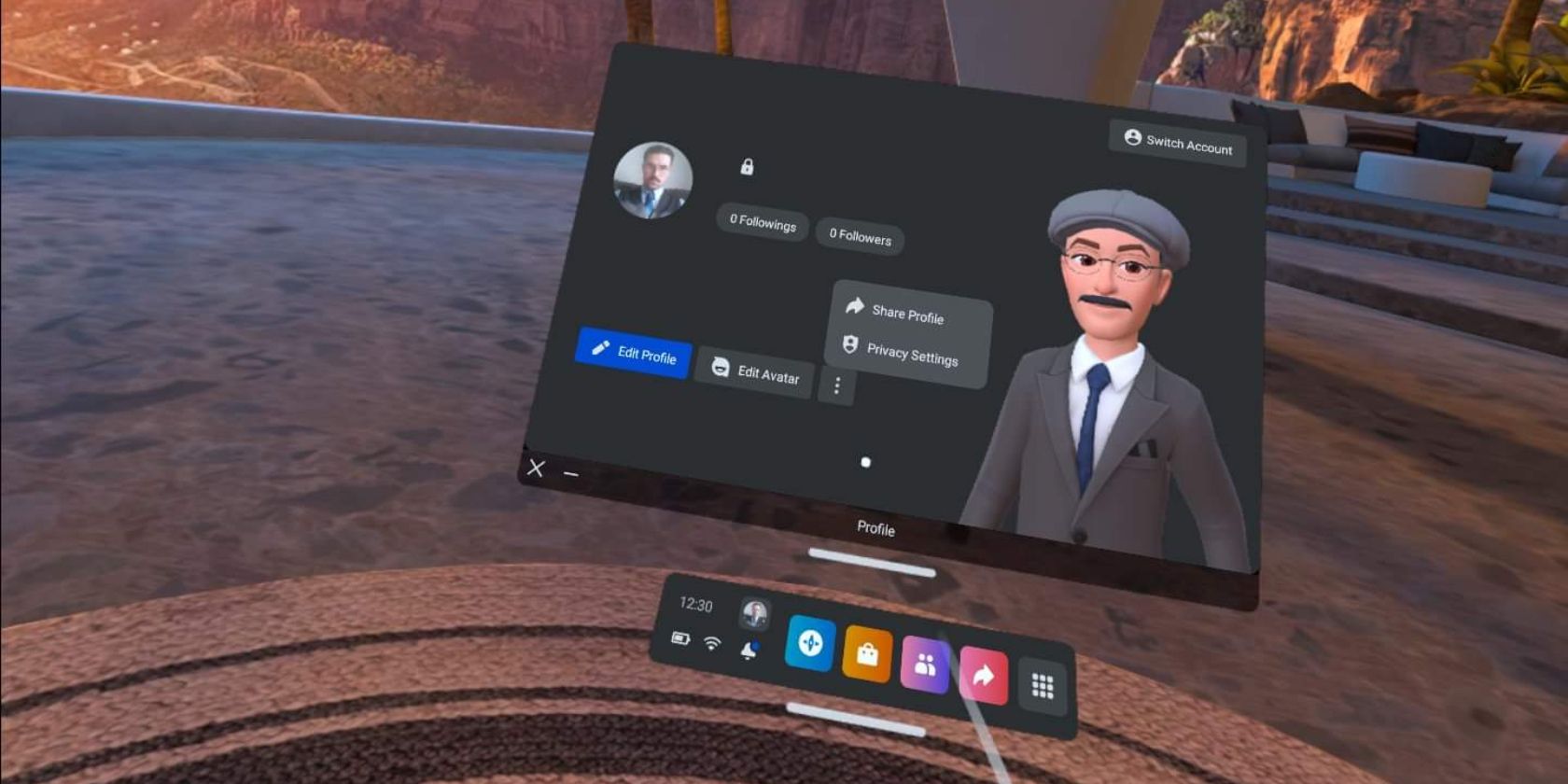
At its core, a Meta Account is a unified login system designed to replace the fragmented, service-specific accounts that previously dominated the social media giant’s suite of products. It serves as a single portal through which users can manage their data, privacy settings, and access across Facebook, Instagram, and the Meta Quest VR ecosystem. By consolidating these disparate services under a single roof, Meta aims to streamline the user experience while simultaneously tightening the integration of its data-sharing capabilities.
Transitioning from Oculus to Meta
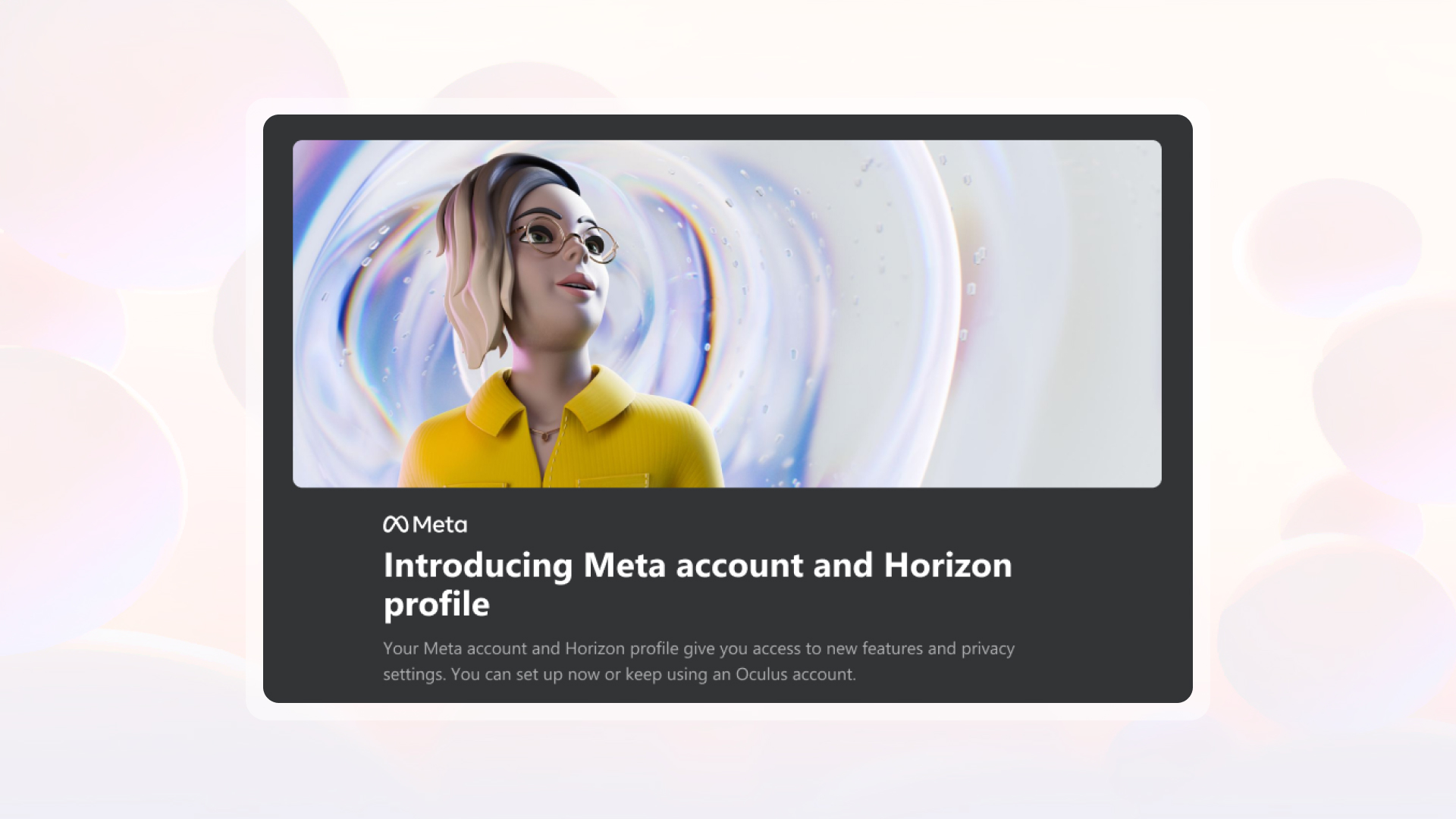
For years, users of virtual reality headsets were required to maintain separate Oculus accounts. When Meta rebranded, this became a bottleneck for the company’s broader strategic vision. The introduction of the Meta Account effectively retired the Oculus login, requiring existing users to migrate their data. This shift was more than a cosmetic change; it was a structural pivot that integrated hardware (VR headsets) with software (social platforms) into a single, cohesive identity framework.
The Centralization of User Data
The Meta Account is the primary repository for your digital footprint within the Meta ecosystem. It houses your profile information, payment methods, security settings, and connected applications. By centralizing this information, Meta can provide a more personalized experience, allowing users to move seamlessly between a smartphone app and a VR environment without the need for redundant logins or fragmented security protocols.
The Architecture of Security and Privacy
In an era where digital security is paramount, the Meta Account is built with a focus on granular control. Because this account acts as a master key for your social and virtual life, its security infrastructure has been fortified to protect sensitive data against unauthorized access.
Multi-Factor Authentication (MFA)
The security heart of a Meta Account is its robust support for multi-factor authentication. Given that these accounts can now be linked to financial information for app purchases or in-game transactions within virtual reality, enabling MFA is not merely a recommendation; it is an industry-standard necessity. The Meta Account settings allow users to tie their account to verified email addresses and phone numbers, adding an essential layer of friction against potential account takeovers.
Managing Permissions and App Access
One of the most powerful features of the Meta Account is the centralized “Meta Accounts Center.” Within this hub, users have the ability to view every application, website, or third-party service that has been granted permission to access their profile data. This transparency is crucial for digital hygiene. By periodically auditing these permissions, users can revoke access to obsolete apps or services that no longer require connection to their social identity, thereby minimizing the risk of unauthorized data exposure.
Data Portability and Download Your Information
Meta has integrated robust data management tools directly into the account structure. Users are provided with the capability to download a comprehensive archive of their activity, ranging from photos and videos posted on Instagram to interaction logs within VR sessions. This emphasis on data portability addresses growing regulatory requirements regarding user autonomy and ensures that individuals maintain a level of control over the content they have generated across the ecosystem.
Leveraging the Account for the Metaverse
While the Meta Account is currently the gateway to your Facebook and Instagram profiles, its long-term purpose is to act as the primary identity verification method for the “Metaverse”—a collection of interconnected virtual spaces.
Avatar Management and Digital Identity
Your Meta Account is intrinsically linked to your digital avatar. As you move from one virtual environment to another—whether it is a professional meeting space in Horizon Workrooms or a social gaming lounge—your avatar and your identity remain consistent. This persistence of self is the defining feature of the metaverse, and the Meta Account is the technological bridge that makes this consistency possible. By anchoring your virtual likeness to a verified account, Meta is building a foundation for a future where digital reputation and presence are as significant as physical ones.
Cross-Platform Purchases and Asset Ownership
With the rise of the digital economy, the Meta Account has become the conduit for digital commerce. Whether you are buying a skin for a game, an app for your headset, or a subscription to a premium service, these assets are bound to your Meta Account rather than a specific device. This is a critical development for consumers: if you upgrade your VR headset or change your smartphone, your digital purchases remain intact because they are tied to your universal account, not the hardware itself.
Integration with Third-Party Developers
Meta is increasingly pushing developers to utilize the Meta Account system for their own applications. For a developer, this is an attractive proposition because it provides a frictionless sign-up experience for their users while leveraging the established trust and security protocols of the Meta platform. For the user, this means less time spent creating new accounts for every new VR experience and more time engaging with the content.
Navigating the Future of the Meta Ecosystem
As the digital world trends toward hyper-connectivity, the Meta Account stands as a precursor to the unified digital identity. While it currently operates as a convenience feature for social media and VR, its evolution suggests a future where our online accounts act as digital passports, verifying our credentials and managing our assets across an infinite array of virtual domains.
Understanding the Trade-Offs
The convenience of a Meta Account comes with inherent trade-offs. By tethering all aspects of one’s digital life to a single provider, users effectively create a “single point of failure.” If a Meta Account were to be compromised, the reach of that compromise would extend far beyond a single social media platform, impacting everything from VR gaming progress to stored payment methods. Consequently, the onus of security shifts heavily toward the user. Adopting stringent security hygiene—such as utilizing complex passwords and physical security keys—is the necessary price for the utility this ecosystem provides.
The Role of Regulation and User Agency
As Meta continues to refine its account system, it operates under the watchful eye of global regulators. Policies regarding data privacy, antitrust concerns, and interoperability will continue to shape how the Meta Account evolves. Users should anticipate future updates to include more transparent controls over how their data is used to train AI models or how their digital identity is utilized for advertising. Remaining informed about these changes through the Accounts Center is a fundamental aspect of digital literacy in the modern age.
Final Thoughts on Digital Identity
The Meta Account is far more than a simple username and password; it is the infrastructure for a personalized, portable digital life. Whether you are a casual user checking your notifications on Facebook, a content creator managing your Instagram portfolio, or an enthusiast exploring the frontiers of virtual reality, your Meta Account is the anchor for your online experience. By understanding its architecture, prioritizing its security, and actively managing its permissions, you can harness the benefits of this unified ecosystem while protecting the integrity of your digital identity. As the boundaries between physical and virtual realities continue to blur, this single account will undoubtedly remain the most important tool in your digital arsenal.
aViewFromTheCave is a participant in the Amazon Services LLC Associates Program, an affiliate advertising program designed to provide a means for sites to earn advertising fees by advertising and linking to Amazon.com. Amazon, the Amazon logo, AmazonSupply, and the AmazonSupply logo are trademarks of Amazon.com, Inc. or its affiliates. As an Amazon Associate we earn affiliate commissions from qualifying purchases.