
For many married couples, the financial landscape shifts significantly once they file their taxes jointly. While “filing jointly” is a common tax status, many taxpayers remain confused about the mechanics of “joint tax payments,” particularly regarding estimated taxes, withholding, and liability. Understanding how these payments work is essential for avoiding IRS penalties and ensuring that your household cash flow remains optimized throughout the fiscal year.
The Mechanics of Joint Tax Liability
When you and your spouse choose to file a joint return, you are electing to combine your incomes, deductions, and credits into a single tax profile. From the perspective of the Internal Revenue Service, this creates a unique legal status known as “joint and several liability.”
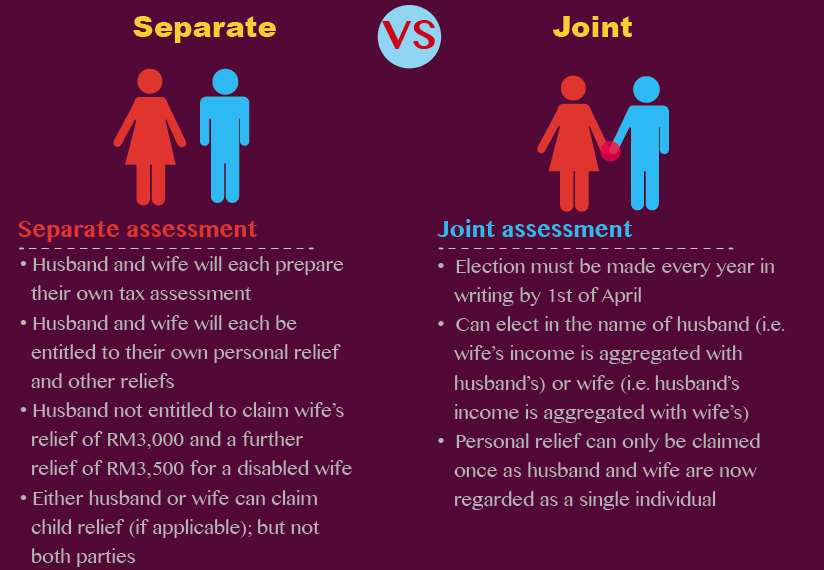
Understanding Joint and Several Liability
Joint and several liability means that both spouses are individually responsible for the entire tax debt associated with their joint return. Even if one spouse earned the vast majority of the income or failed to disclose specific financial information, the IRS has the legal authority to pursue either party for the total balance due, including interest and penalties.
This legal structure is the foundation of joint tax payments. When you make a payment toward your federal tax obligation as a married couple filing jointly, you are essentially making a single, indivisible payment toward a collective debt. It does not matter which spouse’s bank account the funds originate from; the credit is applied to the Social Security numbers linked to the joint tax return.
Why Couples Choose Joint Filing
Despite the inherent risks of joint liability, most married couples opt for this filing status because it frequently results in a lower tax bill. The federal government offers wider tax brackets for married couples filing jointly, which can significantly reduce the effective tax rate on combined income. Furthermore, joint filers are eligible for a variety of tax credits—such as the Child Tax Credit and the Earned Income Tax Credit—that might be phased out or unavailable if the couple were to file separately.
Managing Estimated Tax Payments for Couples
If you or your spouse are self-employed, work as independent contractors, or generate significant passive income through investments, you may be required to make estimated tax payments throughout the year. When you file jointly, these payments function differently than they would for single filers.
Calculating Combined Quarterly Obligations
The IRS requires taxpayers to pay their taxes “as they go.” If you expect to owe $1,000 or more in taxes when you file your return, you must typically make quarterly estimated payments. For couples filing jointly, you calculate these payments based on your projected combined adjusted gross income.
You must aggregate all income sources—wages from W-2 employment, net earnings from self-employment, interest, dividends, and capital gains. Once you determine your estimated annual tax liability, you subtract any taxes already withheld from your paychecks. The remaining balance is divided into four quarterly installments. It is critical to recognize that these payments are credited to the primary filer (usually the spouse listed first on the return) if not handled correctly, though the IRS generally links them to the joint account during processing.

The Dangers of Underpayment
Failing to make sufficient joint estimated payments can result in underpayment penalties. Because the IRS looks at the household as a single economic unit, they do not care if one spouse had enough withheld from their salary if the other spouse’s self-employment income caused a shortfall in the total balance. To avoid these penalties, ensure your total payments (withholding plus estimated payments) equal at least 90% of your current year’s tax liability or 100% of the previous year’s tax liability (110% if your adjusted gross income exceeds $150,000).
Navigating Withholding and Supplemental Income
For many, the bulk of tax payments is handled through payroll withholding. When both spouses are employed, the complexity of coordinating these payments often leads to unexpected tax bills or, conversely, overly large refunds that act as an interest-free loan to the government.
The “Two-Earner” Problem
The most common mistake couples make with joint tax payments is failing to account for the “marriage bonus” or “marriage penalty” when completing their W-4 forms. When both spouses have W-2 jobs, the automatic withholding tables in employer payroll software often assume each spouse is the sole earner for the household. Consequently, both employers may withhold at lower rates, failing to account for the fact that when your incomes are combined, they push you into a higher tax bracket.
To fix this, you should use the IRS Tax Withholding Estimator. You must input your combined income and your anticipated deductions. This will allow you to adjust your W-4 forms—specifically the section on “Multiple Jobs or Spouse Works”—to ensure that the correct total amount of tax is being withheld from your combined paychecks throughout the year.
Adjusting for Significant Life Changes
Financial situations are fluid. A promotion, a new side hustle, the sale of real estate, or a major withdrawal from a retirement account can trigger a tax liability that your standard payroll withholding cannot cover. In these instances, you may need to supplement your payroll withholding with a one-time estimated tax payment. You can make these payments via the IRS Direct Pay website. When doing so, ensure you use the primary filer’s information to maintain consistency with your previous submissions.
Strategies for Efficient Tax Planning
Effective management of joint tax payments isn’t just about avoiding penalties; it’s about optimizing your household’s cash flow and ensuring financial security in the event of an audit or separation.
Separating Assets vs. Combining Liabilities
Even though you are liable for the tax together, it is often wise to maintain a “tax savings” sub-account within your personal finance infrastructure. If you are self-employed or have variable income, create a dedicated high-yield savings account where you deposit a percentage of your gross income immediately upon receipt. This ensures that when the quarterly estimated payment deadline arrives, the funds are already liquid and ready, rather than being caught up in day-to-day household spending.
Communication and Documentation
The greatest threat to a joint tax strategy is a lack of communication. If one spouse manages the investments and the other manages the household budget, there is a high risk that tax liabilities on capital gains or dividends will be overlooked. Schedule quarterly “money meetings” to review your income projections against your tax payments. Keep a digital folder containing all records of quarterly payments made, as these will be essential for your tax preparer when it comes time to file your annual return.

What to Do in Case of Separation or Divorce
If your marital status changes, your tax liability strategy must change immediately. The IRS allows for the filing of “Injured Spouse Allocation” (Form 8379) if one spouse owes past-due debts—such as student loans or child support—and you want to protect your share of a tax refund. If you are going through a separation, consult with a tax professional before the end of the calendar year. You may need to shift from joint estimated payments to individual ones to protect your respective assets and future tax standing.
Ultimately, a joint tax payment is a reflection of a shared financial life. By taking the time to calculate your combined liability, adjusting your withholding to reflect your actual bracket, and proactively setting aside funds for quarterly obligations, you can navigate the tax system with confidence. Remember that the IRS is indifferent to the internal division of your household finances; they view the combined payment as the only metric that matters. By treating your joint tax responsibility as a deliberate, intentional financial task, you remove the stress of tax season and maintain control over your household wealth.
aViewFromTheCave is a participant in the Amazon Services LLC Associates Program, an affiliate advertising program designed to provide a means for sites to earn advertising fees by advertising and linking to Amazon.com. Amazon, the Amazon logo, AmazonSupply, and the AmazonSupply logo are trademarks of Amazon.com, Inc. or its affiliates. As an Amazon Associate we earn affiliate commissions from qualifying purchases.