
In the fast-paced world of digital marketing and modern brand development, the concept of “hyper-fixation” has transitioned from a clinical observation to a powerful strategic lens. While often associated with neurodivergence, hyper-fixation—the state of intense, singular focus on a specific subject or task to the exclusion of other stimuli—is increasingly being recognized as a defining characteristic of high-performing brand teams and successful market disruptors. When harnessed correctly, this intensity transforms a brand from a background player into a market leader.
The Psychology of Singular Focus in Brand Strategy
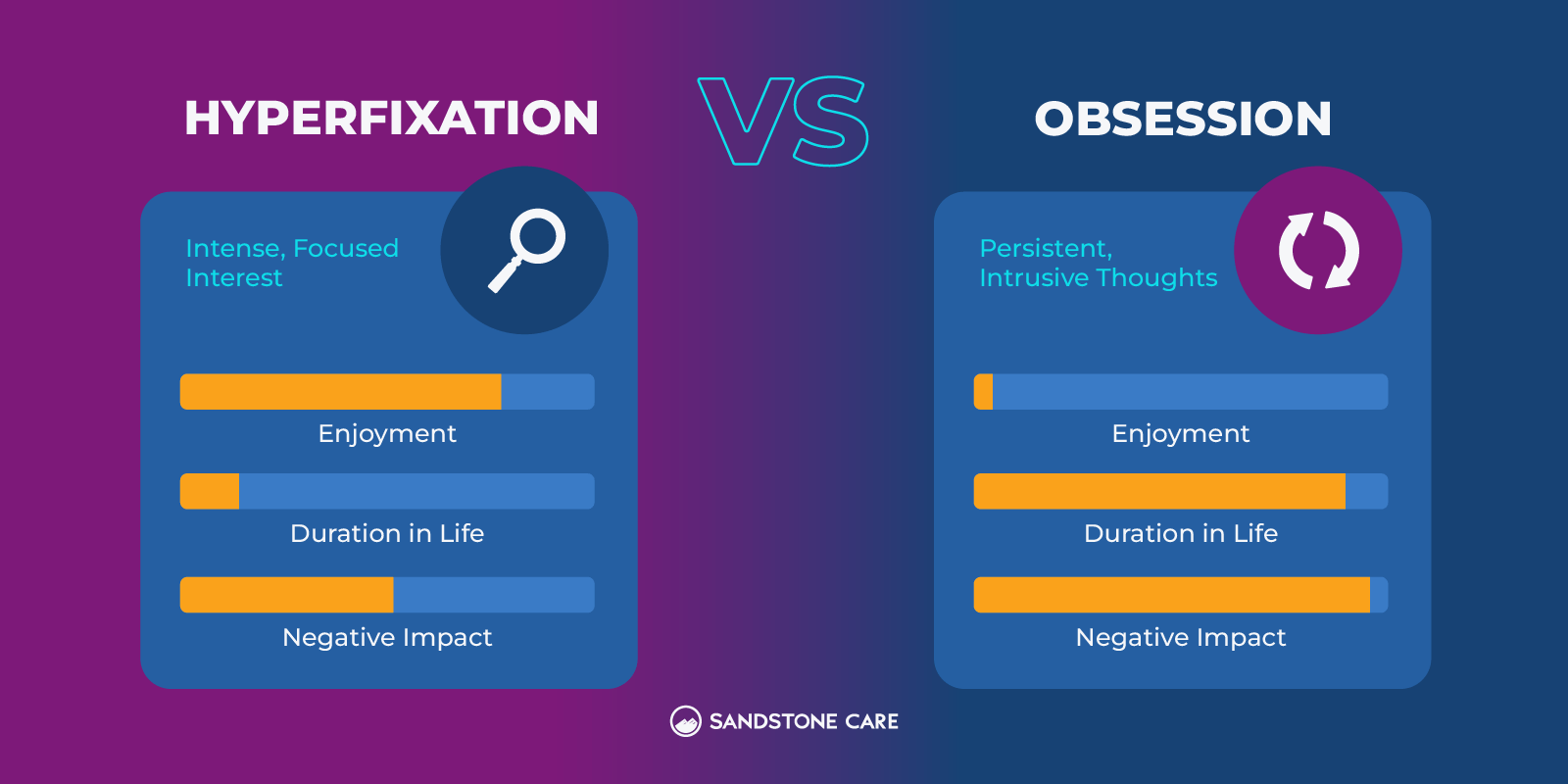
Hyper-fixation in a branding context is not merely an obsession; it is a strategic narrowing of the aperture. Most brands fail because they try to be everything to everyone, diluting their message until it becomes white noise. A hyper-fixated brand, however, chooses one specific pain point, aesthetic, or value proposition and investigates it with a level of rigor that borders on the fanatical.
Depth Over Breadth
The marketplace is currently saturated with “generalist” brands. These entities offer broad solutions that lack depth. In contrast, the hyper-fixated brand identifies a niche so specific that the competition has yet to deem it worth pursuing. By focusing exclusively on this niche, the brand builds an unmatched level of authority. When your marketing strategy is fueled by a hyper-fixation on a single user problem, your content, product iterations, and community engagement naturally become more granular and effective.
The Feedback Loop of Intensity
When a brand team becomes hyper-fixated, they begin to see patterns where others see chaos. This is the “deep dive” phase of brand development. It involves scouring forums, analyzing micro-trends, and listening to the specific linguistic nuances of a target audience. This level of attention creates a feedback loop: the more you know about your customer’s hidden desires, the better you can solve them, which in turn attracts a more loyal, similarly-obsessed audience.
Hyper-Fixation as a Competitive Moat
In the age of AI-generated content and generic brand voices, authenticity is the only currency that retains its value. Hyper-fixation provides the foundation for this authenticity. It creates a “moat”—a defensible competitive advantage—that is difficult for larger, more sluggish corporations to replicate.
Radical Differentiation through Micro-Specialization
Consider brands that have achieved cult status. They often don’t start by conquering a category; they start by obsessing over one tiny element of it. A coffee brand might not just sell coffee; it might hyper-fixate on the specific elevation and drying process of a single bean variety from one region. By centering their entire brand identity on that singular, intense obsession, they alienate the casual consumer but create an unbreakable bond with the enthusiast. This is how you move from being a commodity to a necessity.
Avoiding the “Me-Too” Trap
The greatest danger to a brand is the tendency to follow industry trends. Hyper-fixation acts as an anchor, preventing the brand from drifting toward the “me-too” trap. If your brand is fixated on a specific design philosophy—say, hyper-minimalism or radical transparency—you are less likely to pivot your identity every time a new social media trend emerges. This consistency breeds trust. Customers know exactly what to expect from you because your brand identity is built on a foundation of unyielding focus.

Harnessing Internal Energy: Team Dynamics and Creative Flow
For a brand to be truly hyper-fixated, the internal culture must support it. Hyper-fixation requires a high degree of “flow state,” a psychological concept where individuals become so engrossed in a task that time perception vanishes and productivity peaks. As a brand leader, your job is to create the environment where this state can occur.
Protecting the Deep Work
Modern workplace culture is plagued by constant context switching—slack notifications, endless meetings, and the pressure to be “always on.” This is the death of hyper-fixation. To cultivate a brand that cuts through the noise, you must protect the time and space for your team to go deep. This means implementing “no-meeting” days, encouraging asynchronous communication, and valuing output quality over the number of hours spent appearing busy.
Aligning Passion with Brand Vision
The most successful brand campaigns are rarely the result of a sterile board room discussion. They are born from the genuine obsessions of the creative team. When team members are encouraged to bring their unique interests into the brand’s ecosystem, the output becomes more vibrant and human. If your brand is selling a software tool, let your developers obsess over the elegance of a single line of code; if you are in fashion, let your designers obsess over the tension of a single stitch. These minute, hyper-focused details are what customers perceive as “quality” and “love.”
The Risks and Rewards of Extreme Focus
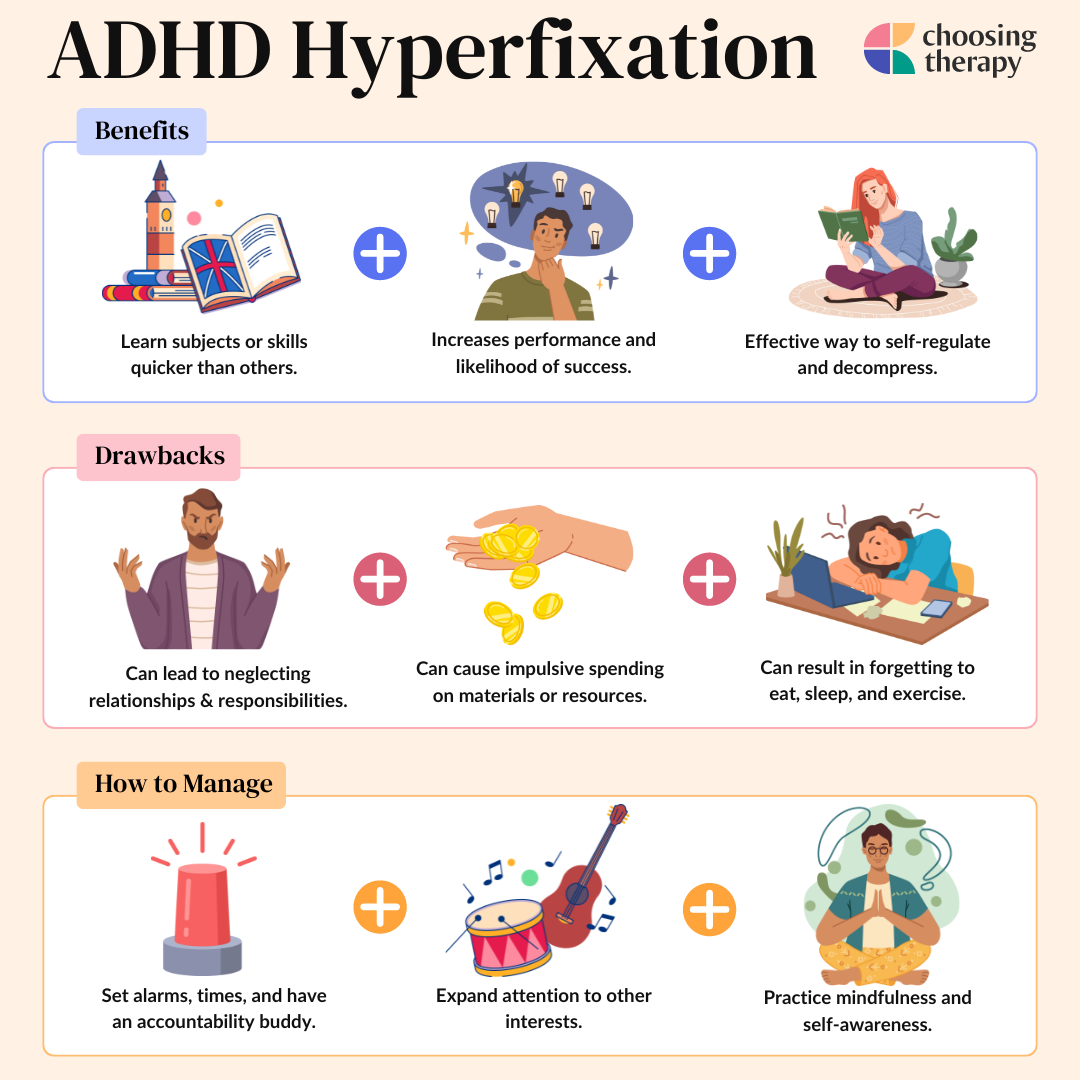
While hyper-fixation is a potent tool, it carries inherent risks that must be managed with professional discipline. Like any high-octane fuel, it can lead to burnout or tunnel vision if not directed with clear strategic intent.
Avoiding the “Echo Chamber”
The danger of focusing intensely on one aspect of a brand is the potential to lose sight of the broader market context. If your team becomes too insular, you may miss macro-shifts in consumer behavior that could render your current hyper-fixation obsolete. To mitigate this, integrate “pivoting checkpoints” into your quarterly strategy. These are moments where you step back from the deep work, zoom out, and ask: “Is this obsession still solving a real-world problem for our customers?”
Scaling the Obsession
The final hurdle for a hyper-fixated brand is scaling. It is easy to maintain intensity when you are a team of three; it is much harder when you are a company of three hundred. The goal is to institutionalize the “spirit” of the fixation without creating a rigid, bureaucratic structure. This is done through brand storytelling. If you can clearly articulate why your brand is obsessed with a particular outcome, you can onboard new team members into that same mindset, turning a personal trait into a collective cultural value.
Conclusion: Turning Intensity into Strategy
In the current market, apathy is the silent killer of brands. The ability to focus, to dig deep, and to care intensely about the details is not just a personal quirk—it is a sophisticated branding strategy. By understanding what drives hyper-fixation and how to channel that energy into your marketing, product development, and team culture, you transform your brand from a participant into a destination.
Stop trying to cover the entire map. Instead, pick your spot, dig deeper than anyone else, and turn that singular obsession into the foundation of your brand’s enduring legacy. When you stop worrying about being “well-rounded” and start embracing the power of the intense, focused deep-dive, you don’t just reach your audience—you command their attention.
aViewFromTheCave is a participant in the Amazon Services LLC Associates Program, an affiliate advertising program designed to provide a means for sites to earn advertising fees by advertising and linking to Amazon.com. Amazon, the Amazon logo, AmazonSupply, and the AmazonSupply logo are trademarks of Amazon.com, Inc. or its affiliates. As an Amazon Associate we earn affiliate commissions from qualifying purchases.