
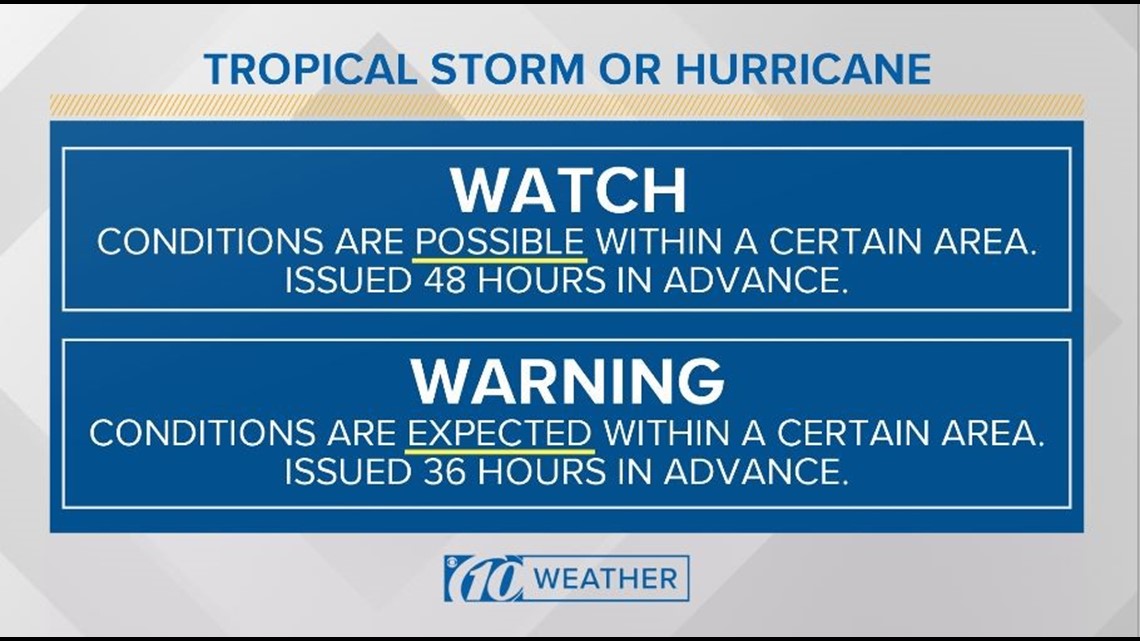
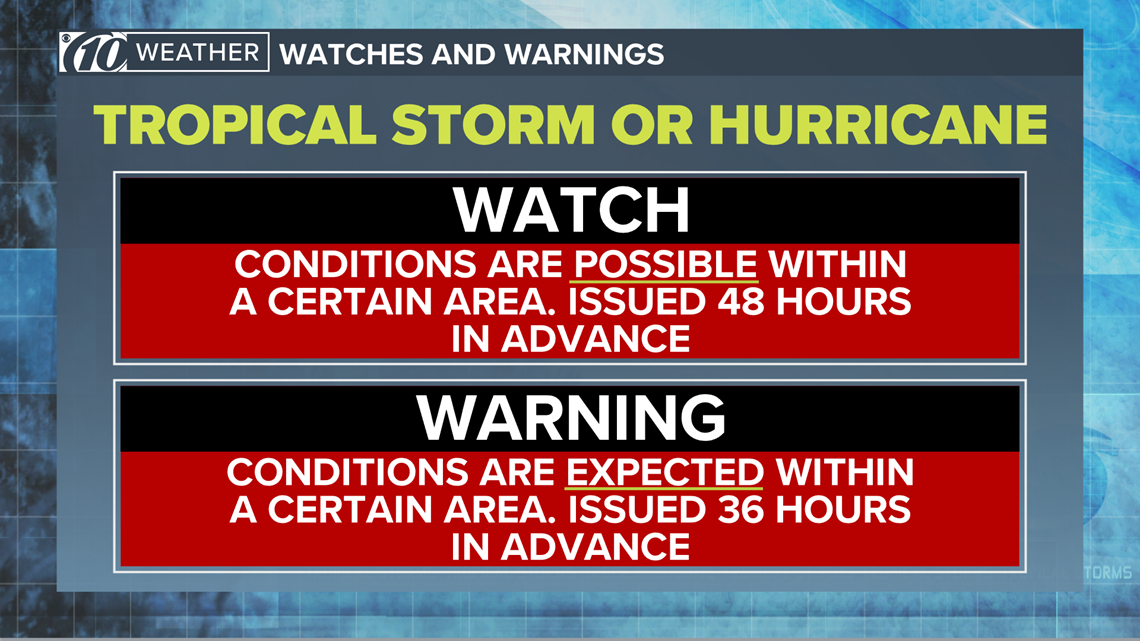
In the world of personal finance, risk management is often discussed in terms of market volatility, inflation, or portfolio diversification. However, one of the most significant threats to individual net worth and long-term financial stability is the physical destruction caused by natural disasters. When meteorologists issue a “Hurricane Watch,” they are signaling that tropical storm conditions are possible within a specific area, usually within 48 hours. For the financially conscious individual, this alert should trigger a distinct set of operational and fiscal protocols designed to protect your most valuable assets.
Financial resilience in the face of a catastrophe is not just about having insurance; it is about having a tactical plan to preserve capital, maintain liquidity, and ensure that your economic life remains functional even when the power grids and communication networks fail.
The Fiscal Implications of a Hurricane Watch
A hurricane watch serves as the final window of opportunity to finalize your financial fortress. While homeowners are busy boarding up windows, the financially literate must address the tangible and digital exposures that could cripple their fiscal health post-storm.
Evaluating Asset Liquidity
When a storm is approaching, the banking system may face disruptions. Physical bank branches may close, and digital banking services can become intermittent due to infrastructure damage. During a hurricane watch, it is prudent to ensure you have access to emergency cash reserves. While digital payments dominate our economy, a disaster recovery scenario is the one time when physical currency remains king. Ensure you have enough cash to cover essential goods and services for at least one week, as point-of-sale systems and ATMs may be non-operational.
Securing Financial Documentation
The recovery process after a storm is heavily reliant on documentation. Insurance claims, federal assistance applications, and mortgage documents are the keys to reclaiming your financial standing. During a hurricane watch, you should consolidate these documents into a waterproof, fireproof, and portable container. This includes physical deeds, titles, insurance policies, and an inventory of high-value household items. Digital copies stored on an encrypted, cloud-based platform are essential, but having a physical “go-folder” ensures that if your home suffers catastrophic damage, you are not trapped in a bureaucratic nightmare.
Insurance Audits and Coverage Optimization
A common mistake in personal finance is assuming that your homeowner’s insurance policy provides comprehensive protection for all weather-related events. A hurricane watch is the time to review the fine print of your policy to understand exactly what you are liable for and where the gaps lie.
Understanding Deductibles and Exclusions
Many insurance policies feature specific “hurricane deductibles” that are distinct from standard incident deductibles. These are often calculated as a percentage of the home’s insured value rather than a flat dollar amount. During the pre-storm window, verify if your policy includes flood insurance—a critical distinction, as standard homeowner’s policies rarely cover flood damage caused by storm surges. If your policy has gaps, note them for future amendment, but recognize that during a hurricane watch, most insurance providers initiate a “binding moratorium,” meaning you cannot add or adjust coverage once the storm is within a certain distance.
The Inventory Proof-of-Loss
One of the most effective ways to facilitate a prompt insurance payout is to have a comprehensive home inventory completed before the storm hits. This inventory should include photos or videos of every room, high-value electronics, jewelry, and furniture. By documenting the condition and existence of these items during the watch period, you eliminate the “he said, she said” friction that often accompanies post-disaster claims. Upload these files to a secure cloud drive immediately; this acts as the “ledger” for your insurance claim.
Protecting Digital Financial Infrastructure
In an era where our wealth is largely tracked through digital interfaces, the security and accessibility of your financial accounts are paramount during a disaster. If your hardware is destroyed or you are forced to evacuate, your financial identity must remain intact.
Cybersecurity and Password Management
Disasters often create vulnerabilities that scammers and identity thieves exploit. In the aftermath of a hurricane, there is a surge in fraudulent insurance claims and phishing attempts targeting displaced individuals. Ensure that all your financial accounts are protected by multi-factor authentication (MFA). If you are using physical hardware tokens, keep them with your essential documents. Having your passwords stored in a secure, offline password manager can prevent a total lockout of your financial accounts if you lose access to your primary devices.
Remote Access and Emergency Contact Protocols
Identify which financial institutions you use and save their emergency contact numbers, specifically their loss-reporting hotlines. Many major banks have disaster recovery protocols that allow customers to access funds or defer loan payments during declared emergencies. Knowing how to quickly reach your mortgage lender, auto insurance provider, and credit union is a crucial component of your financial continuity plan. If the storm hits, you want to be able to notify your creditors immediately regarding potential late payments or temporary inability to access your accounts.
Long-Term Capital Preservation and Recovery Strategy
The period following a hurricane is often characterized by high expenses and lost income. Whether through business interruption or the inability to work, your cash flow may be severely restricted.
Establishing an Emergency Fund Buffer
If you live in a hurricane-prone zone, your “emergency fund”—a staple of sound personal finance—must be larger than the standard three-to-six months of expenses. You are essentially self-insuring against a higher probability of catastrophic loss. This buffer should be kept in a high-yield savings account that remains accessible yet distinct from your daily operating account. When a hurricane watch is issued, avoid making large, non-essential purchases. Preserve your liquidity to ensure that when the storm passes, you have the capital necessary to pay for immediate repairs, temporary housing, or essential supplies that may be inflated in price due to high demand.
The Role of Federal and State Assistance
Understand the framework of federal assistance, such as FEMA (Federal Emergency Management Agency) grants and SBA (Small Business Administration) disaster loans. These are not alternatives to private insurance, but they can act as a stopgap. During a hurricane watch, keep a record of your expenses related to evacuation or preparation. While not all of these are reimbursable, tracking these costs demonstrates fiscal responsibility and ensures that you can present a clear picture of your financial situation if you eventually need to seek hardship relief from your creditors.
Strategic Asset Management Post-Storm
Once the storm has passed, the focus shifts from preservation to recovery. The decisions you make in the first 72 hours after a hurricane can have lasting impacts on your credit score and overall net worth.
Managing Debt and Loan Obligations
If your property is damaged or your income is halted, contact your lenders immediately. Most major banks have disaster relief programs that allow for mortgage forbearance, interest-only payments, or the temporary suspension of late fees for individuals affected by federally declared disasters. Do not wait for a missed payment to initiate this conversation; proactive communication preserves your credit score and maintains your relationship with financial institutions.
Preventing Asset Depreciation
Physical damage to property accelerates depreciation. If your home or vehicle has been compromised, take immediate steps to mitigate further loss—a process known as “mitigation of damages.” For example, tarping a leaking roof or drying out interior spaces can prevent mold and secondary water damage that may be excluded from insurance coverage. Document these mitigation efforts carefully; not only do they protect the value of your assets, but they are also often reimbursable expenses under your homeowner’s policy.
Hurricane watches are about more than just weather tracking; they are a call to action for the disciplined financial manager. By approaching a natural threat with the same analytical rigor you apply to your investment portfolio, you can transform a period of vulnerability into a display of strategic resilience. Protect your documents, secure your liquidity, optimize your insurance coverage, and maintain clear lines of communication with your creditors. In the aftermath of the storm, your financial preparedness will be the difference between a temporary setback and a long-term economic recovery.
aViewFromTheCave is a participant in the Amazon Services LLC Associates Program, an affiliate advertising program designed to provide a means for sites to earn advertising fees by advertising and linking to Amazon.com. Amazon, the Amazon logo, AmazonSupply, and the AmazonSupply logo are trademarks of Amazon.com, Inc. or its affiliates. As an Amazon Associate we earn affiliate commissions from qualifying purchases.