
A furnace is the mechanical heart of a home’s heating system, serving as the primary appliance responsible for warming air and distributing it throughout your living space. In the realm of home infrastructure, the furnace acts as a centralized thermal engine. While many homeowners use the terms “heater” and “furnace” interchangeably, the furnace is a specific type of forced-air system that operates by heating air inside a combustion chamber or through electric heat exchangers and then pushing that air through a network of metal ducts to reach individual rooms. Understanding how this system functions is essential for maintaining a comfortable living environment and managing the long-term capital investment associated with property ownership.

The Mechanics of Thermal Distribution
At its core, a furnace operates on a continuous cycle designed to maintain a stable interior temperature. To understand what a furnace is, one must look at the four-stage process of forced-air heating: combustion (or heat generation), heat exchange, air circulation, and ventilation.
The Combustion and Heat Exchange Process
In a standard gas furnace, the cycle begins when the thermostat signals a drop in ambient temperature. The system ignites a burner, creating a flame that heats a metal component known as the heat exchanger. This is a critical safety component; it keeps the combustion gases—such as carbon monoxide and exhaust—sealed away from the air that will eventually circulate through your home. The air from your home is drawn over the exterior of these hot metal surfaces, absorbing the heat without ever coming into direct contact with the flames or fuel gases.
Air Circulation and Ductwork
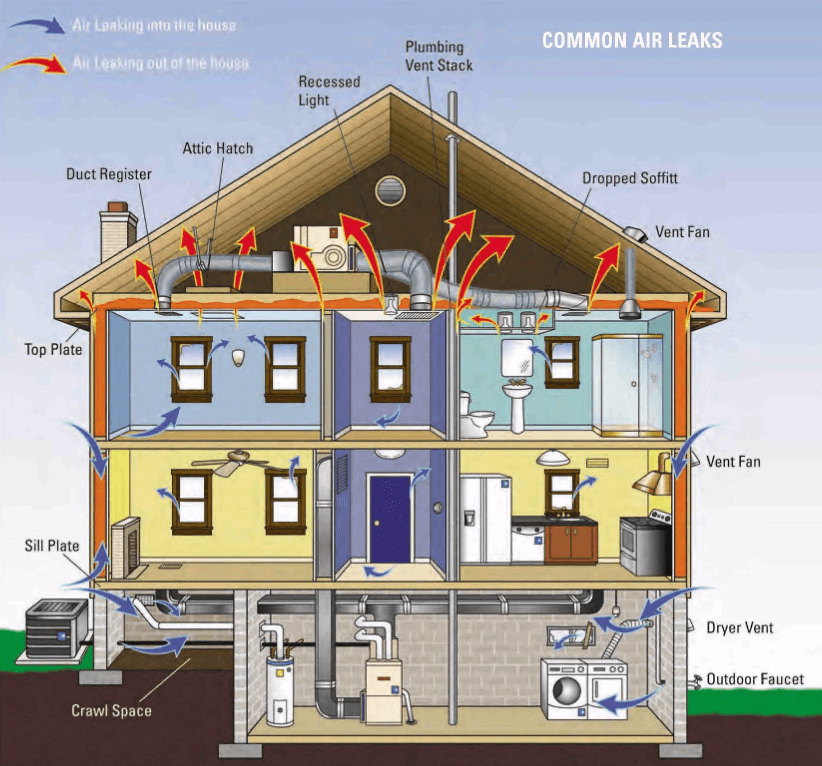
Once the air is warmed by the heat exchanger, a powerful blower motor engages. This fan pushes the warmed air into the supply ducts. These ducts act as the circulatory system of the house, delivering heated air through registers or vents in the floor, walls, or ceiling. Simultaneously, cooler air is pulled back into the furnace through return vents, filtered to remove dust and debris, and prepared to be heated once more. This closed-loop system ensures a constant flow of thermal energy that keeps your home at the desired temperature.
Categorizing Modern Heating Systems
Not all furnaces are built the same, and their differences often come down to fuel source and efficiency. Identifying which type of furnace you have is the first step in assessing your home’s energy profile and maintenance requirements.
Gas Furnaces: The Standard of Efficiency
Gas furnaces, typically powered by natural gas or propane, are the most common heating solution in North America. They are prized for their ability to heat air rapidly and their cost-effectiveness in regions where natural gas infrastructure is robust. Modern high-efficiency gas furnaces often utilize “condensing” technology, which extracts extra heat from the exhaust gases before they are vented outside, significantly increasing the AFUE (Annual Fuel Utilization Efficiency) rating of the unit.

Electric Furnaces
Electric furnaces function similarly to their gas counterparts but replace the burner and heat exchanger with electric heating elements—essentially large, industrial-strength versions of the coils found in a toaster. While they are often cheaper to install and require less maintenance due to the lack of combustion exhaust, they are generally more expensive to operate in areas where electricity costs are high. They are, however, an excellent option for homes without access to natural gas lines or for those prioritizing a flame-free environment.
Oil and Dual-Fuel Systems
Oil furnaces are common in older homes or regions where natural gas is unavailable. They function similarly to gas units but require an on-site storage tank for heating oil. In recent years, dual-fuel or “hybrid” systems have gained popularity. These combine an electric heat pump with a gas furnace. The system automatically switches between the two based on outdoor temperatures, using the electric heat pump during milder weather for maximum efficiency and the gas furnace during extreme cold when heat pump performance declines.
Maintenance, Safety, and Longevity
Because a furnace is a high-demand appliance that operates under intense thermal stress, it requires a disciplined approach to maintenance. Neglect does not just lead to higher utility bills; it can lead to catastrophic system failure during the coldest months of the year.
The Role of Air Filtration
The most frequent point of failure in a furnace system is the air filter. As the blower fan pulls return air into the unit, the filter traps dust, pet dander, and allergens. If the filter becomes clogged, airflow is restricted. This puts significant strain on the blower motor and can cause the heat exchanger to overheat, leading to cracks. A cracked heat exchanger is a severe safety hazard, as it allows dangerous combustion gases to leak into the home’s air supply. Replacing filters every one to three months is the most cost-effective “insurance” policy a homeowner can purchase for their HVAC system.
Professional Inspections and Safety Protocols
Beyond changing filters, a furnace requires an annual professional checkup. A technician will inspect the ignition system, burner assembly, and safety controls. Most importantly, they will test the heat exchanger for structural integrity. Because modern homes are built to be airtight for energy efficiency, ventilation is critical. A properly functioning furnace must be correctly vented to the outdoors to ensure that exhaust gases are carried away safely. Ignoring odd smells, rattling sounds, or yellow-tinted burner flames can be a sign of improper combustion, necessitating immediate professional intervention.
The Future of Home Heating Technology
As we look toward the future, the definition of a furnace is evolving. Integration with smart home technology is transforming how we interact with these appliances. Smart thermostats now allow homeowners to control their heating schedules remotely, learn usage patterns to optimize consumption, and provide diagnostic alerts when the system shows signs of deviation from its normal performance metrics.
Energy Efficiency and Environmental Impact
The industry is currently pivoting toward higher efficiency standards and lower carbon footprints. Newer furnace models feature variable-speed blowers that adjust their output based on the precise heating needs of the home, rather than simply toggling between “on” and “off.” This creates a more consistent temperature, reduces the noise associated with forced-air systems, and significantly lowers monthly energy expenditures.
Furthermore, as the global energy landscape transitions toward renewable sources, the “furnace” of tomorrow may look very different. While the forced-air concept will likely remain, the methods of heat generation are moving toward electrification and integration with smart grids. Understanding the role of your furnace within this broader technological landscape empowers you as a homeowner to make informed decisions about repairs, upgrades, and overall home management. Whether you are troubleshooting a minor issue or planning for a full system replacement, recognizing the furnace as an integrated mechanical ecosystem—rather than just a box in the basement—is key to ensuring long-term comfort and safety for your household.
aViewFromTheCave is a participant in the Amazon Services LLC Associates Program, an affiliate advertising program designed to provide a means for sites to earn advertising fees by advertising and linking to Amazon.com. Amazon, the Amazon logo, AmazonSupply, and the AmazonSupply logo are trademarks of Amazon.com, Inc. or its affiliates. As an Amazon Associate we earn affiliate commissions from qualifying purchases.