
In the rapidly evolving landscape of mobile technology, the term “flagship” is thrown around with reckless abandon. Walk into any electronics retailer or scroll through a manufacturer’s website, and you will see dozens of devices adorned with this label. But what does it actually mean to be a flagship phone in today’s market? Is it simply the most expensive device a company makes, or does it represent a deeper commitment to innovation, build quality, and performance?
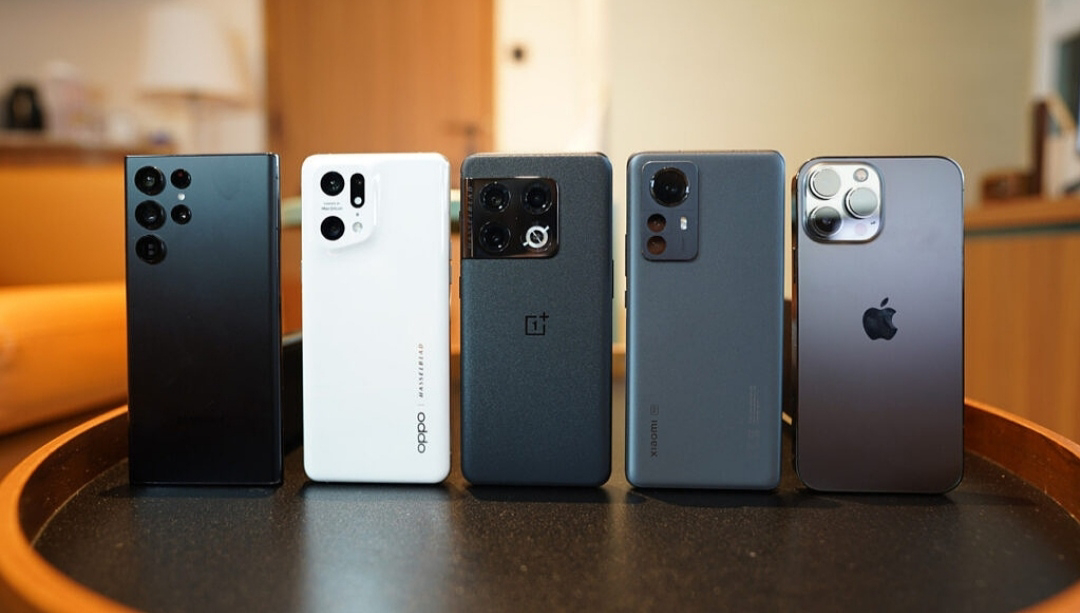
A flagship phone—often referred to as a “hero device”—is designed to serve as the pinnacle of a manufacturer’s technological capabilities. It is the handset that a company uses to showcase its best hardware, most advanced software features, and premium industrial design. It is the device that sets the standard for the rest of the product lineup for the upcoming year.
Defining the Pillars of a Flagship Device
To qualify as a true flagship, a smartphone must excel in several non-negotiable categories. These are not merely features; they are the baseline requirements for a device that aims to capture the “gold standard” status within a competitive ecosystem.
Raw Performance and Processing Power
The heart of any flagship device is its silicon. A flagship is rarely equipped with mid-range or budget-tier chipsets. Instead, these devices house the absolute latest high-performance processors available on the market, such as the latest Snapdragon 8-series or Apple’s A-series Bionic chips. This raw power is necessary to handle demanding tasks, including 4K video editing, intensive 3D gaming, and complex multitasking, ensuring that the device remains fast and responsive for years to come.
Industrial Design and Build Materials
A flagship phone is a tactile experience. While budget devices often rely on polycarbonate or high-quality plastics to keep costs down, flagships prioritize premium materials. We are talking about aerospace-grade aluminum, surgical-grade stainless steel, and chemically strengthened glass. The fit and finish must be impeccable, with tight tolerances and a feel that screams durability and sophistication. Furthermore, these devices almost always feature an IP68 rating for water and dust resistance, reflecting the premium engineering required for long-term reliability.
The Camera System
Perhaps the most significant differentiator today is the camera array. A flagship device does not just take good photos; it utilizes sophisticated computational photography, large sensor arrays, and advanced lens optics to produce results that rival standalone cameras. This includes optical image stabilization (OIS), ultra-wide lenses, dedicated telephoto periscope zoom lenses, and AI-driven post-processing that optimizes dynamic range and low-light performance.
The Evolution of the Flagship Concept
The definition of a flagship has shifted significantly over the past decade. Ten years ago, the flagship market was clear-cut: you bought the top-of-the-line Samsung Galaxy or the latest iPhone, and that was that. Today, the landscape is far more nuanced, leading to the emergence of “flagship tiers” that serve different types of power users.
The Rise of the “Ultra” or “Pro Max” Tier
In recent years, manufacturers have begun segmenting their flagship lines. It is no longer enough to have a flagship; now, there is often a “base” flagship and an “ultra-premium” variant. These ultra-devices push the boundaries of what is possible, often featuring larger displays, even more complex camera systems with higher optical zoom capabilities, and larger battery capacities. This strategy allows brands to cater to a demographic that is willing to pay a premium for “excess”—a device that offers more than the average consumer will ever fully utilize.
The “Flagship Killer” Phenomenon
As flagship prices have soared—often crossing the $1,000 threshold—a new category has emerged to challenge the status quo: the “flagship killer.” These devices offer the same high-end processors found in top-tier phones but make strategic compromises in secondary areas to keep the price significantly lower. Perhaps the device lacks wireless charging, has a less premium frame material, or uses a slightly inferior secondary camera lens. These devices have redefined the flagship conversation by proving that you don’t necessarily need the most expensive phone to have the fastest, most capable device.
Why Flagships Matter for Ecosystems
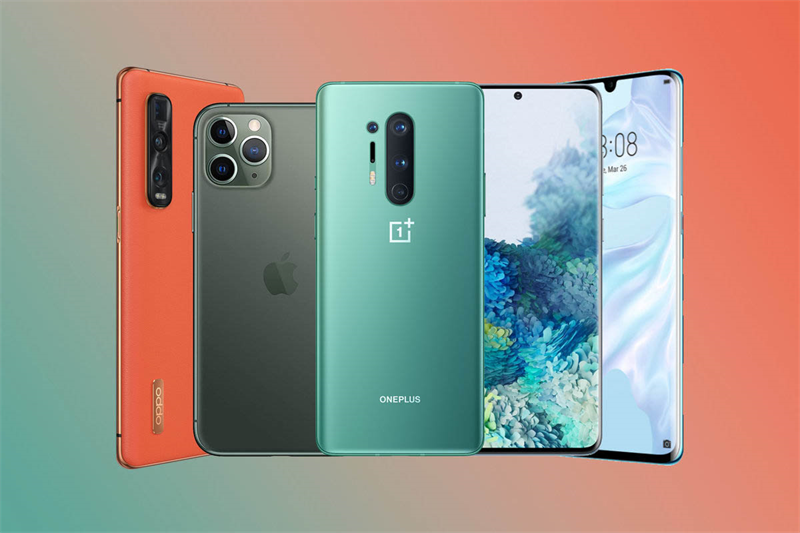
Beyond the individual hardware, the flagship phone serves as the anchor for a brand’s entire ecosystem. When a manufacturer releases a new flagship, it isn’t just about selling one piece of hardware; it is about reinforcing the value of their software platform, their wearables, and their cloud services.
Software Integration and Updates
Flagship status is often tied to software longevity. One of the primary benefits of investing in a flagship device is the promise of software support. Manufacturers typically prioritize their flagships for the latest Android or iOS updates, providing longer support windows—often spanning four to seven years—of security patches and operating system version upgrades. This longevity is part of the “premium” price tag; you are paying for the peace of mind that your device will remain secure and functional long after its mid-range counterparts have been abandoned by the software development team.
Exclusive Software Features
To justify the premium, brands often gatekeep their most impressive software innovations within their flagship devices. This might include advanced AI features, such as real-time language translation, generative photo editing, or proprietary desktop modes that allow the phone to function as a computer when plugged into a monitor. These exclusive features act as a moat, keeping loyal customers locked into the brand’s ecosystem because no other device—even from the same manufacturer—can replicate the experience.
The Future of the Flagship Market
As we look toward the future, the definition of a flagship is undergoing another transformation. Innovation is no longer just about faster processors; it is about form factors and intelligence.
Folding and Flexible Displays
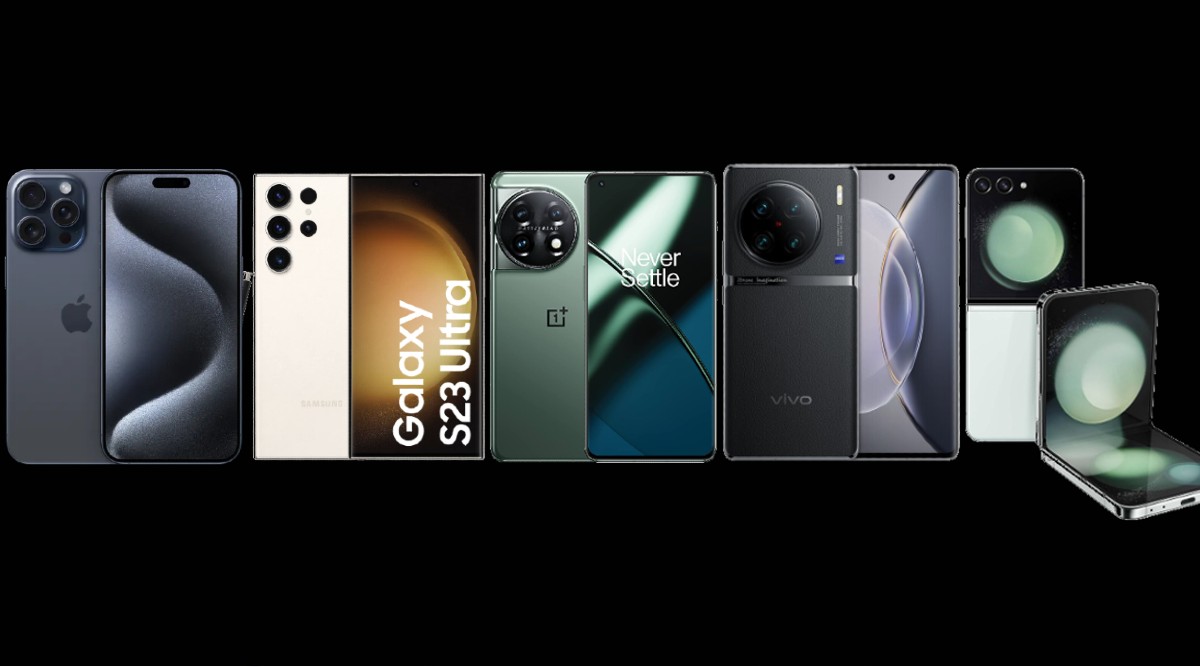
We are currently witnessing the transition of foldable technology from a niche experiment to a core flagship category. Devices like the Samsung Galaxy Z Fold or the Google Pixel Fold are the new frontiers of the flagship experience. They represent a fundamental shift in how we interact with mobile hardware, blending the convenience of a smartphone with the utility of a tablet. These devices are the ultimate expression of the “flagship” title today, as they require the most advanced engineering to achieve thinness, durability, and display quality.
The Role of Artificial Intelligence
Artificial Intelligence is becoming the new “spec sheet.” While customers used to compare RAM and clock speeds, they are now comparing “AI capabilities.” The next generation of flagship phones will be defined by their ability to run Large Language Models (LLMs) locally on the device rather than relying on the cloud. This will enable privacy-centric, instantaneous AI assistance, from composing emails and summarizing meetings to advanced voice control that can manipulate other applications on the phone. The device that can integrate these AI features most seamlessly will undoubtedly wear the crown of the market’s true flagship.
Final Thoughts: Is a Flagship Right for You?
The label “flagship” acts as a beacon for consumers who want the absolute best experience a brand can offer. It is a promise of quality, performance, and future-proofing. However, the decision to purchase a flagship phone should always be balanced against your personal needs.
If you are a casual user who primarily engages with social media and light web browsing, the diminishing returns of a flagship device become apparent very quickly. The extreme camera capabilities and excess processing power may go unused, meaning a mid-range device might offer a better return on investment.
Conversely, for the enthusiast, the professional who relies on their phone for work, or the gamer who demands the highest frame rates, the flagship phone remains an essential tool. It represents the intersection of art and engineering, a pocketable computer that is as much a fashion statement as it is a powerhouse of technology. Understanding what goes into a flagship—the R&D, the premium components, and the long-term support—allows you to appreciate not just the cost, but the inherent value of these sophisticated devices. In a world of infinite gadget choices, the flagship phone remains the undisputed yardstick by which all other technology is measured.
aViewFromTheCave is a participant in the Amazon Services LLC Associates Program, an affiliate advertising program designed to provide a means for sites to earn advertising fees by advertising and linking to Amazon.com. Amazon, the Amazon logo, AmazonSupply, and the AmazonSupply logo are trademarks of Amazon.com, Inc. or its affiliates. As an Amazon Associate we earn affiliate commissions from qualifying purchases.