
In the vast ecosystem of modern scientific technology, hardware specifications, and specialized industry instrumentation, professionals often encounter legacy units of measurement that underpin our understanding of ionizing radiation. The “Curie” is one such fundamental unit. While modern scientific standards, specifically the International System of Units (SI), have moved toward the Becquerel, the Curie remains deeply embedded in the terminology of nuclear technology, medical imaging software, and industrial safety hardware. Understanding this unit is essential for anyone working within high-tech sectors that manage radioactive materials or utilize advanced radiation-detection sensors.
The Historical Context and Scientific Definition
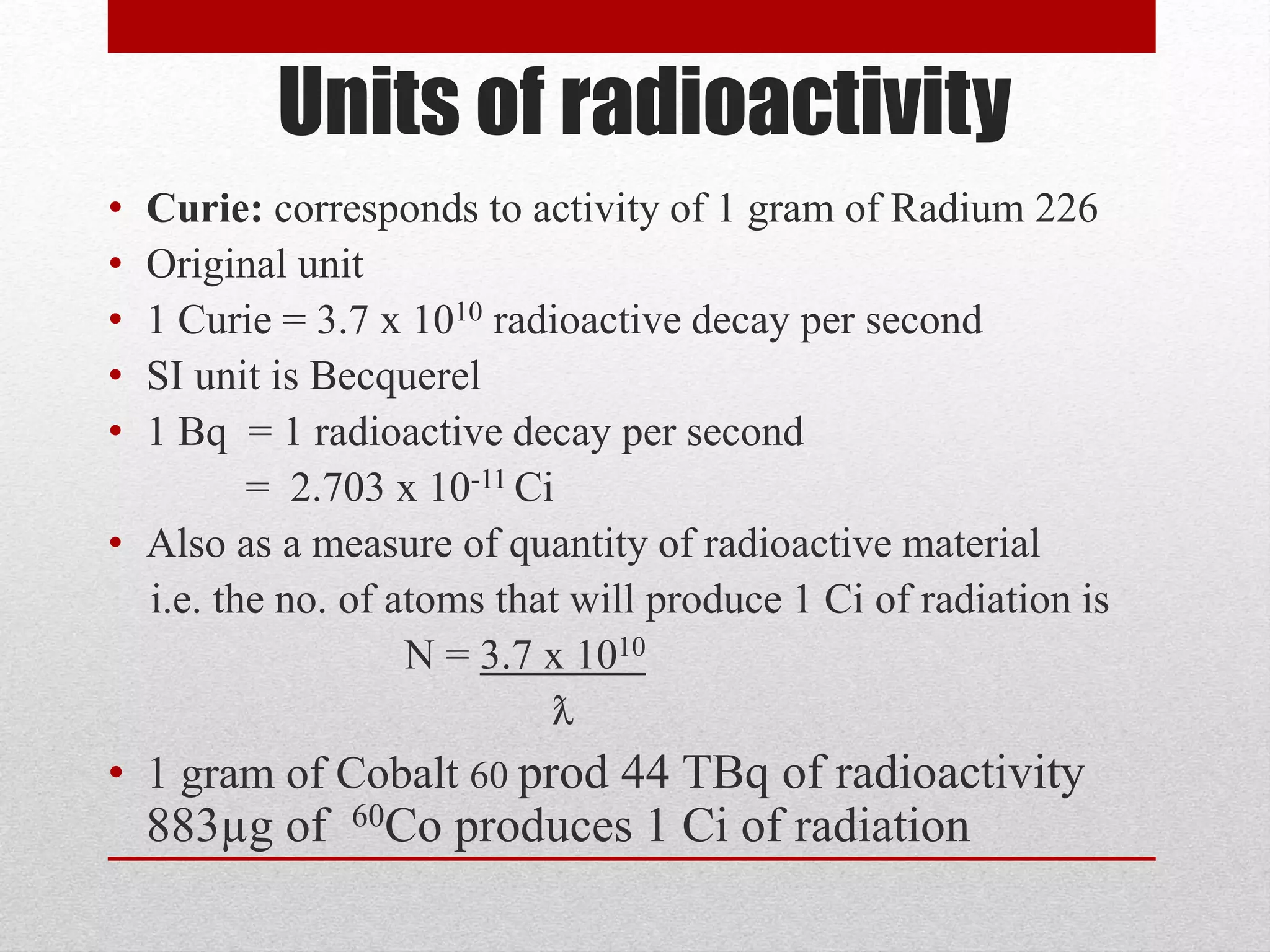
The Curie (symbolized as Ci) is a non-SI unit of radioactivity. It was named in honor of Pierre Curie, a pioneer in the study of radioactivity, though it is frequently associated with the legacy of Marie Curie as well. Historically, the Curie was defined as the amount of radioactivity associated with one gram of radium-226.
Defining the Numerical Value
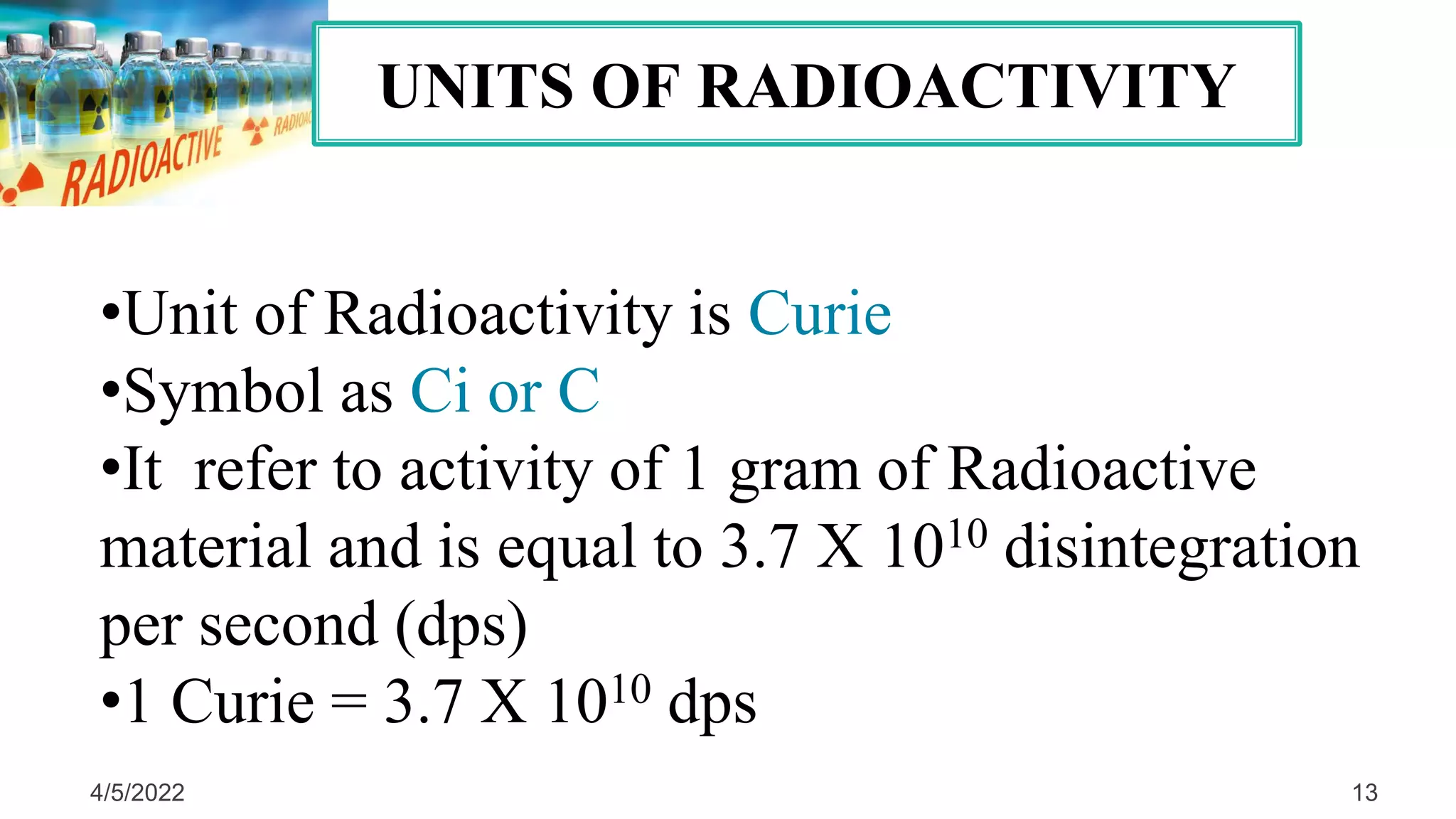
To be precise in technical applications, one Curie is defined as exactly 3.7 × 10¹⁰ nuclear transformations, or disintegrations, per second. This is an incredibly high rate of activity. When engineers, technicians, or software developers design monitoring systems or software suites for nuclear facilities, these massive numbers are standard. Because of the magnitude of the Curie, most practical applications in medicine or industrial testing utilize millicuries (mCi) or microcuries (µCi) to represent safer, more manageable levels of exposure.
From Curie to Becquerel
The shift in technical documentation and software interfaces has been toward the Becquerel (Bq). One Becquerel is defined as one disintegration per second. Therefore, one Curie is equivalent to 37 billion Becquerels (37 GBq). While the Becquerel is the official SI unit, the Curie persists in digital diagnostic tools, legacy laboratory equipment, and the shorthand of field scientists. Understanding this conversion is critical for calibrating sensor hardware or interpreting data output from legacy monitoring software.
Applications in Specialized Hardware and Tech
The Curie is not merely a historical curiosity; it is a live unit within the software and firmware of modern radiation detection technology. Manufacturers of Geiger counters, scintillation detectors, and environmental monitoring systems often provide users the option to toggle between SI units and the Curie-based system to maintain compatibility with older protocols or regional industry standards.
Integration in Radiation Detection Systems
When developing or integrating digital radiation detection arrays, the software backend must handle high-precision calculations. An application programming interface (API) receiving data from a remote sensor might receive raw count rates. If that data is processed for a user interface, the conversion logic from counts per second to Curies must be accurate to ensure human safety. In high-stakes digital environments, such as nuclear power plant control systems, the calibration of these sensors relies on an absolute understanding of these units to prevent catastrophic misreadings.
Safety Protocols and Digital Monitoring
In modern industrial safety, automated monitoring systems use threshold alerts based on radioactive activity. Whether it is tracking radioactive isotopes used in non-destructive testing (NDT) of aerospace components or monitoring medical sterilization equipment, software must accurately calculate the decay rate. The Curie serves as the benchmark for these calculations. If an application is configured to trigger an emergency shutdown when activity levels reach a specific threshold, the software must be robust enough to handle the 3.7 × 10¹⁰ conversion factor without rounding errors that could compromise safety margins.
The Role of Units in Medical Imaging and Software
Medical technology is perhaps the most prominent sector where the Curie remains in active, if shrinking, circulation. Diagnostic imaging and targeted radiotherapy hardware rely on the precise activity of radioisotopes, such as Technetium-99m, to function correctly.
Radiopharmaceuticals and Diagnostic Tools
In hospital environments, the software managing the pharmacy and diagnostic imaging devices must track the “activity” of isotopes. Because isotopes decay over time, software algorithms are used to predict the current Curie count of a sample based on the time elapsed since its calibration. These systems must account for the half-life of the isotope, translating the decay rate into a usable metric for clinicians. Even if the display outputs Becquerels, the underlying mathematical models often utilize legacy constants developed during the era when the Curie was the standard unit of measurement.
Calibration and Digital Accuracy
For software developers working on medical imaging platforms, accuracy is not just a feature—it is a regulatory requirement. When an imaging system calculates the required dose for a patient, the software pulls from databases that categorize radioactive materials by their activity levels. Understanding why the Curie was chosen as the original unit helps developers write better code for historical data migration. When medical institutions transition from legacy databases to modern, cloud-based electronic health record systems, the data often contains a mixture of Curies and Becquerels, necessitating sophisticated normalization algorithms to ensure patient data remains consistent.
Future-Proofing Technical Systems
As the tech industry moves toward more sophisticated, automated, and AI-driven monitoring, the importance of unit standardisation becomes even more pronounced. While the Curie is technically deprecated in favor of the Becquerel, it exists in a state of “functional persistence.”
The Challenge of Legacy Data
Many large-scale industrial databases still store historical radiation data in Curies. When companies implement AI tools to analyze trends in radioactive waste management or environmental impact reports, the machine learning models must be trained to recognize and harmonize these legacy units. If a data science team feeds a model a dataset that uses a mix of Curies and Becquerels without proper normalization, the resulting predictions will be fundamentally flawed. This is a common pitfall in digital transformation projects within the energy and medical sectors.
Precision in Embedded Systems and IoT
The rise of the Internet of Things (IoT) in nuclear safety means that small, distributed radiation sensors are now sending data to centralized hubs. These sensors are often built by diverse manufacturers, some of whom still use the Curie as their primary unit of measurement for calibration. Integrating these devices into a unified, secure, and accurate dashboard requires a deep understanding of unit physics. Engineers must ensure that the middleware converting these values is precise to the nth degree. A discrepancy in unit handling isn’t just a technical glitch; in the context of radioactive material, it represents a potential failure to detect a safety hazard.
Moving Toward Uniformity
Ultimately, the goal for the tech industry is a total transition to the SI standard, the Becquerel. However, because technical infrastructure—especially in the nuclear and medical research sectors—is built to last for decades, the Curie will continue to be a necessary part of the technical lexicon. Software engineers, hardware designers, and data analysts must be bilingual in these units. By mastering the relationship between the Curie and the Becquerel, professionals ensure that their technological systems remain accurate, compliant with international standards, and, most importantly, safe for the humans they are designed to monitor and protect. As we look toward the future of high-tech safety and instrumentation, the Curie stands as a testament to the evolution of scientific measurement—a legacy unit that still informs the digital pulse of our most critical infrastructure.
aViewFromTheCave is a participant in the Amazon Services LLC Associates Program, an affiliate advertising program designed to provide a means for sites to earn advertising fees by advertising and linking to Amazon.com. Amazon, the Amazon logo, AmazonSupply, and the AmazonSupply logo are trademarks of Amazon.com, Inc. or its affiliates. As an Amazon Associate we earn affiliate commissions from qualifying purchases.