
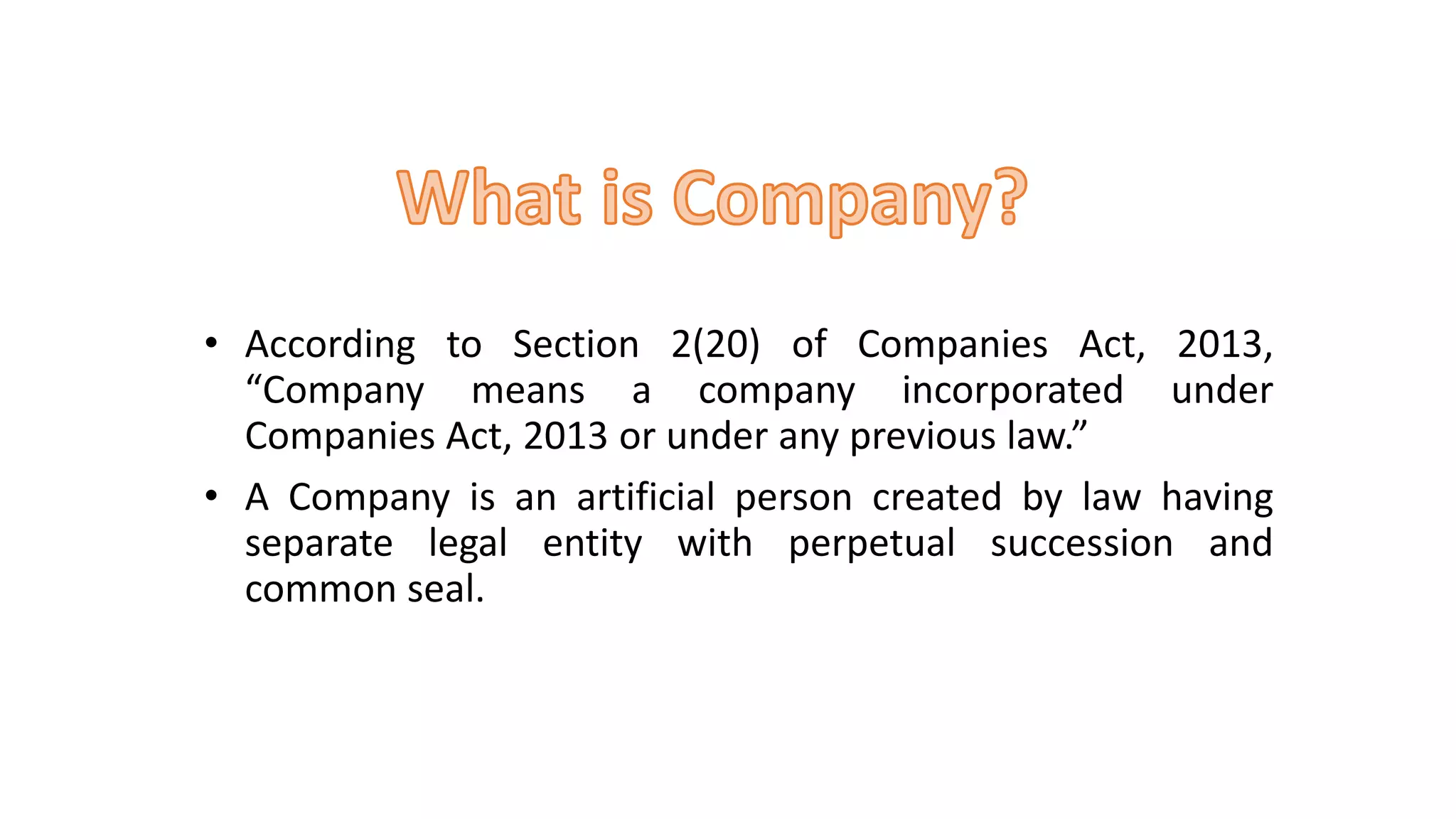
In the eyes of the law, a company is not merely a collection of desks, employees, or office space. It is a “legal person”—a distinct entity separate from the individuals who own, manage, or work for it. This concept, known as “corporate personality,” is the bedrock of modern capitalism. By establishing a company, the law creates a fictional entity that can sue and be sued, own property, enter into contracts, and incur debt, all while maintaining a shield that protects the personal assets of its shareholders.
Understanding the legal definition of a company is essential for any entrepreneur, investor, or stakeholder. It is the framework that allows businesses to scale, take risks, and endure beyond the lifespan of their founders.
The Concept of Separate Legal Personality
The hallmark of a company in legal terms is its status as a separate legal entity. This principle, often referred to as the “veil of incorporation,” ensures that the company is treated as a person distinct from its members.
The Doctrine of Corporate Veil
When a business is incorporated, it is born as an independent entity. This means that if the company incurs a debt, it is the company’s debt, not the shareholder’s. If the company is sued for a breach of contract, the plaintiff brings the action against the company, not against the directors or the owners personally.
This separation allows for a division between ownership and control. Shareholders own the company through shares, but they do not own the company’s assets. The company holds its assets in its own name. Consequently, an individual shareholder cannot simply walk into a company office and claim ownership of a computer or a piece of equipment; the entity itself holds title to those items.
Liability and the Shield of Limited Liability
The primary advantage of the separate legal personality is limited liability. In a sole proprietorship or a general partnership, the owner’s personal wealth is typically at risk if the business fails. If the business cannot pay its creditors, the owner’s house, savings, and personal vehicles can be seized.
In a company, the shareholder’s liability is generally limited to the amount, if any, unpaid on their shares. If they have paid for their shares in full, their financial exposure is limited to the investment they have already made. This legal protection encourages innovation and risk-taking, as it allows investors to commit capital to ventures without the fear that a business failure will result in personal bankruptcy.
The Process of Legal Formation and Governance
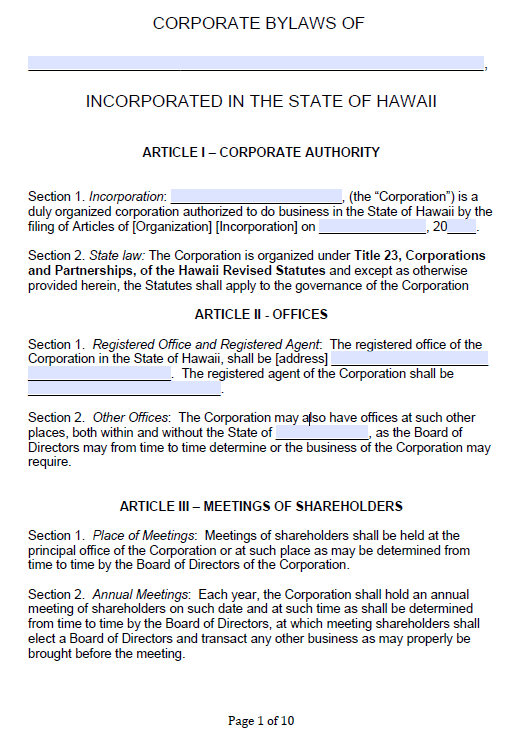
A company does not simply exist because an entrepreneur declares it to be so. It must be created through a formal legal process, typically by filing documents with a state or national registry. This process serves as the “birth certificate” of the organization.
Incorporation and Articles of Association
To establish a company, founders must submit constitutional documents—often called the Articles of Incorporation or a Memorandum of Association—to the relevant regulatory body. These documents define the company’s name, its purpose (the scope of the activities it is authorized to perform), the structure of its share capital, and the internal rules of governance.
Once these documents are accepted and a certificate of incorporation is issued, the company exists. From this moment forward, the company must act in accordance with its founding documents and the prevailing corporate law of the jurisdiction. Failure to do so can result in the loss of limited liability status or even the dissolution of the company.
Directors and Fiduciary Duties
Since a company is an abstract legal person, it cannot act for itself. It must act through human agents, primarily its directors. The board of directors is legally responsible for the management of the company.
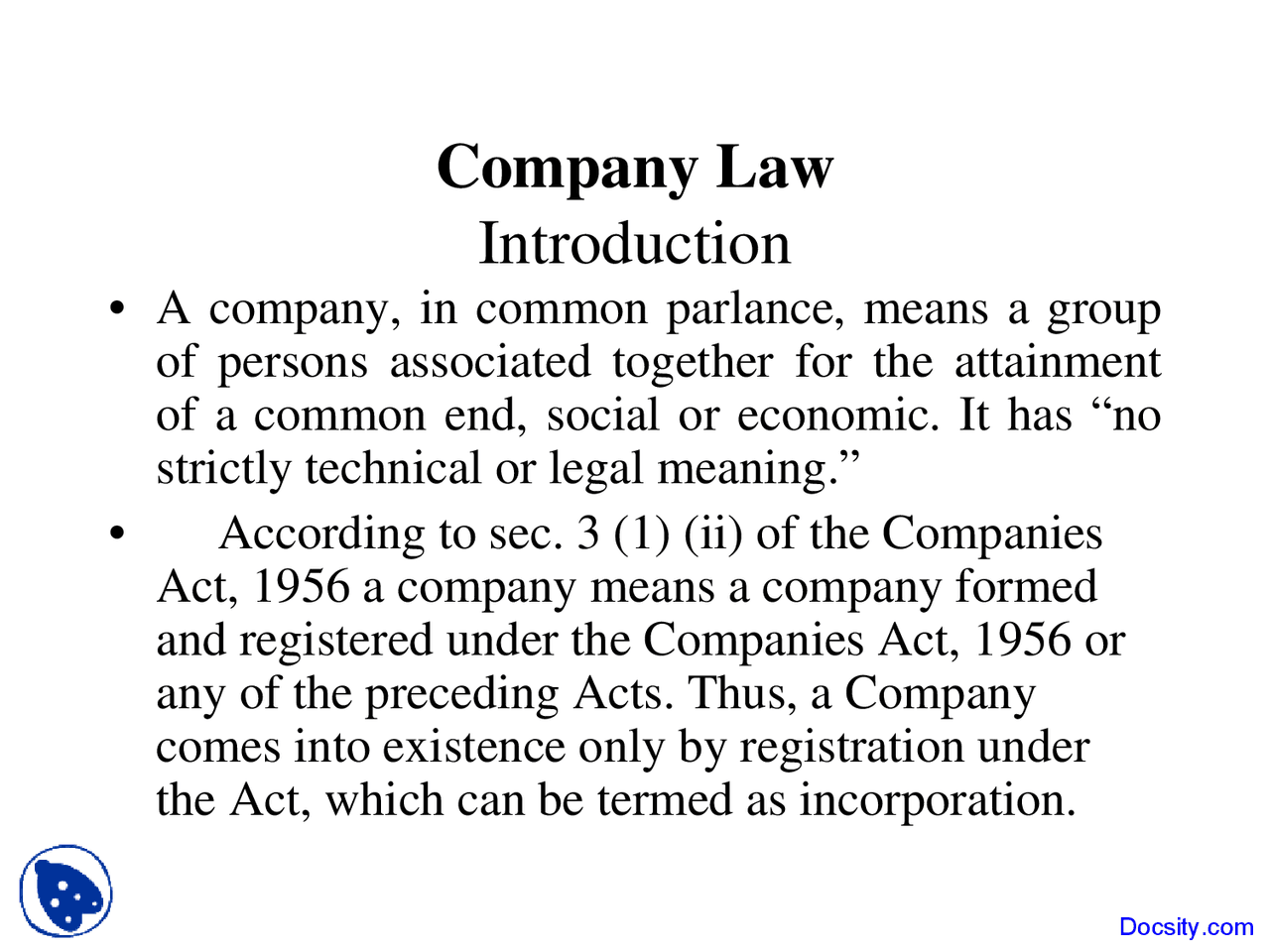
However, the law imposes strict fiduciary duties on these directors. Because directors manage the company on behalf of shareholders, they are held to a high standard of conduct. They must act in “good faith” and in the “best interests of the company.” This includes duties of care, skill, and loyalty. If a director uses company funds for personal benefit or makes reckless decisions that ignore the company’s legal obligations, they can be held personally liable for a “breach of fiduciary duty,” piercing the corporate veil that otherwise protects them.
Types of Companies and Regulatory Frameworks
Not all companies are created equal. The law distinguishes between different types of business structures to ensure that regulatory burdens match the size and impact of the entity.
Private vs. Public Companies
The most significant distinction in company law is between private companies and public companies. A private company (often known as a Private Limited Company or LLC) is generally restricted from offering its shares to the general public. It is designed for smaller groups of investors, such as founders, family members, or private equity partners. The governance requirements are typically less stringent because the company does not have a broad base of public shareholders to protect.
Conversely, a public company is designed to raise capital from the general public. These companies are subject to rigorous transparency and reporting requirements. They must publish audited financial statements, disclose executive compensation, and adhere to strict securities regulations designed to protect retail investors. The legal burden on public companies is significantly higher, as the law recognizes the societal importance of public markets and the potential for systemic harm if these companies are mismanaged.
The Role of Regulatory Compliance
Beyond the initial formation, a company must maintain compliance to remain in good legal standing. This includes filing annual reports, holding general meetings, and maintaining accurate records of directors and shareholders.
Regulatory bodies use these filings to monitor the company’s activities and ensure that it is not being used for illegal purposes, such as money laundering or tax evasion. When a company fails to meet these obligations, it risks being “struck off” the register, which effectively ends its legal existence.
Perpetual Succession and the Continuity of Business
One of the most powerful legal attributes of a company is “perpetual succession.” Regardless of changes in ownership or the death of a shareholder or director, the company continues to exist until it is formally wound up through a legal process.
Resilience Through Change
In a partnership, the death or withdrawal of a partner can force the business to dissolve and reorganize. In a company, ownership is represented by shares, which are transferable. If a shareholder dies, their shares pass to their estate or heirs. The company itself remains entirely unaffected.
This continuity is vital for business finance. Lenders are more willing to provide long-term credit to a company than to an individual, precisely because the company is expected to outlive the individuals involved in its current management. This stability allows the company to enter into long-term contracts, lease property for decades, and invest in capital-intensive projects without the threat of premature closure.
Winding Up and Liquidation
The legal life of a company can only be terminated through formal liquidation or dissolution. This is a highly regulated process. When a company is insolvent—meaning it can no longer pay its debts as they fall due—the law mandates that it must be wound up.
During this process, a liquidator is appointed to take control of the company’s remaining assets, sell them, and distribute the proceeds to creditors in a strictly defined order of priority. Only after all obligations have been satisfied and the legal process is complete does the company cease to exist. This orderly “death” of the company ensures that creditors are treated fairly and prevents the chaos that would otherwise ensue if a business simply stopped operating.
Conclusion: The Legal Reality of Business
A company is a legal fiction that serves a profoundly practical purpose. By creating a separate entity, the law enables the pooling of capital, the mitigation of risk, and the facilitation of large-scale commercial activity. Whether it is a small family-run startup or a multinational corporation, the legal definition of the company provides the rules of the game. It balances the freedom of entrepreneurs to innovate with the need for transparency, accountability, and the protection of creditors and the public. Understanding this legal construct is the first step toward mastering the complexities of business finance and corporate strategy.
aViewFromTheCave is a participant in the Amazon Services LLC Associates Program, an affiliate advertising program designed to provide a means for sites to earn advertising fees by advertising and linking to Amazon.com. Amazon, the Amazon logo, AmazonSupply, and the AmazonSupply logo are trademarks of Amazon.com, Inc. or its affiliates. As an Amazon Associate we earn affiliate commissions from qualifying purchases.