
The Strategic Function of Vicars in Institutional Governance
In the sophisticated world of brand strategy and organizational structure, the role of a Catholic Vicar serves as a profound case study in delegation, regional management, and the preservation of corporate identity. Much like a Chief Operating Officer (COO) or a regional director in a multinational corporation, a vicar is an official appointed to exercise the jurisdiction of a higher authority. Understanding this role requires a deep dive into the organizational hierarchy of the Catholic Church, which functions as one of the oldest and most successful institutional brands in human history.
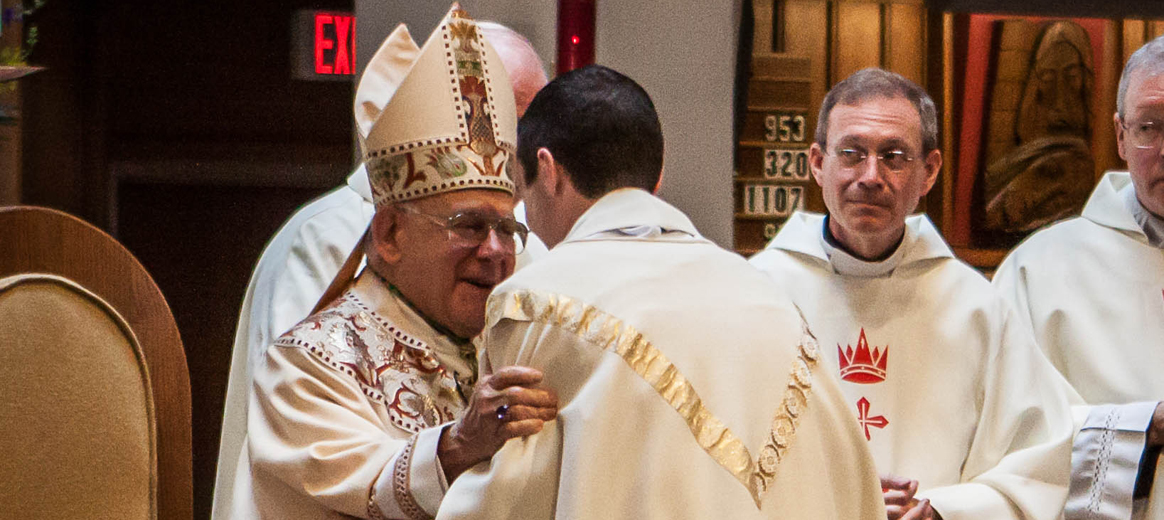
The Vicar as a Brand Ambassador
At the highest level of institutional identity, the Pope holds the title “Vicar of Christ.” Within the framework of brand strategy, this title defines the mission statement of the entire organization. The Pope acts as the human steward representing the ultimate authority of the brand’s founder. This is the quintessential example of personal branding and corporate representation. By utilizing the title “Vicar,” the Church ensures that the brand’s core message remains consistent even as the individual representative changes over time.
Delegation and Decentralized Operations
The brilliance of the vicarial system lies in its scalability. To maintain a unified identity across a global footprint, an organization cannot rely on a single point of failure or a bottleneck in communication. By appointing Vicars General or Episcopal Vicars, a diocese—the regional office—can delegate specific operational tasks without diluting the central mission. In modern business terms, these vicars act as functional leads. A Vicar for Clergy might handle human resources and personnel management, while a Vicar for Education oversees the “service delivery” of the brand’s charitable and educational programs. This structure allows the primary executive (the Bishop) to focus on long-term vision and market positioning, while the vicars ensure day-to-day excellence and policy implementation.
Stewardship and Risk Management: The Vicar’s Operational Role
In the context of corporate identity, the vicar plays a critical role in risk management and institutional continuity. When an organization faces a transition period—such as the resignation or death of a regional leader (a Sede Vacante)—the legal and brand integrity of the institution must be preserved. This is where the Diocesan Administrator or the Vicar General assumes a protective, stabilizing role.
Continuity Planning and Crisis Control
Effective branding relies on stability. If the public perceives a lack of leadership, the brand’s value depreciates. The Vicar General is often the individual tasked with ensuring that operations continue without disruption during transition periods. This is analogous to a Deputy CEO stepping into an interim leadership role to reassure stakeholders, investors, and clients. The focus here is on “continuity of service,” ensuring that the brand’s promise—the spiritual and social services provided to the community—remains reliable, regardless of the individual occupying the office.
Policy Enforcement and Standard Operating Procedures
A brand’s reputation is only as strong as its weakest point of contact. If a local parish deviates from the established corporate culture or doctrinal standards, the brand identity suffers. Vicars serve as the quality control mechanism for the Church. They monitor compliance with canonical law, which acts as the organization’s “terms of service” and internal governance policy. By auditing local practices and providing guidance to subordinates, the vicar ensures that the brand experience remains uniform from the local parish level up to the national level.

Institutional Design and the Architecture of Authority
From the perspective of institutional design, the Catholic Church offers a masterclass in hierarchical, functional management. The “Vicarial” concept is essentially an exercise in distributed authority, a strategy many modern corporations attempt to replicate through regional office models or subsidiary management systems.
The Matrix Organization
The Catholic Church functions as a matrix organization. A priest might report to his local pastor, who reports to the Bishop, who is advised by various Vicars. This multi-layered structure ensures that every functional area—legal, liturgical, financial, and educational—has a dedicated overseer. By compartmentalizing these roles under the title of “Vicar,” the organization clearly defines the scope of power, preventing administrative overlaps and power struggles. For any organization looking to scale, the vicarial model provides a blueprint for how to maintain a central “brand soul” while allowing for regional responsiveness.
Legal Jurisprudence as Brand Protection
The role of the Judicial Vicar is perhaps the most specialized, focusing on the legal framework that sustains the institution. In the business world, this is equivalent to a General Counsel. The Judicial Vicar oversees the tribunal, which resolves disputes and interprets internal policies. Because a brand is defined by its reputation, the ability to adjudicate internal conflicts fairly and transparently is paramount. If the public perceives that the “brand” is corrupt or lawless, the institution faces existential risk. By formalizing the judicial process under a Vicar, the Church institutionalizes the protection of its own image, ensuring that justice is perceived to be done at every level of the organization.
Modernizing the Vicarial Model for Global Brands
The relevance of the Catholic Vicar goes beyond theology; it serves as a sophisticated model for brand management in the 21st century. As organizations become increasingly decentralized—often operating across dozens of time zones with remote teams—the need for localized “Vicars” becomes even more apparent.
Defining Roles in a Decentralized Economy
In modern business, we see a shift away from rigid, top-down hierarchy toward agile, autonomous units. However, these units still require a “Vicar” figure: an appointed representative who maintains a direct link to the corporate identity while having the authority to make local decisions. When a brand expands into new markets, it cannot operate in a vacuum. It requires an individual—a Vicar—who is intimately familiar with the regional culture but remains loyal to the central brand’s mission and values. This balance of autonomy and adherence is the secret to sustaining a brand’s equity over centuries rather than years.
Conclusion: The Lesson of the Vicar
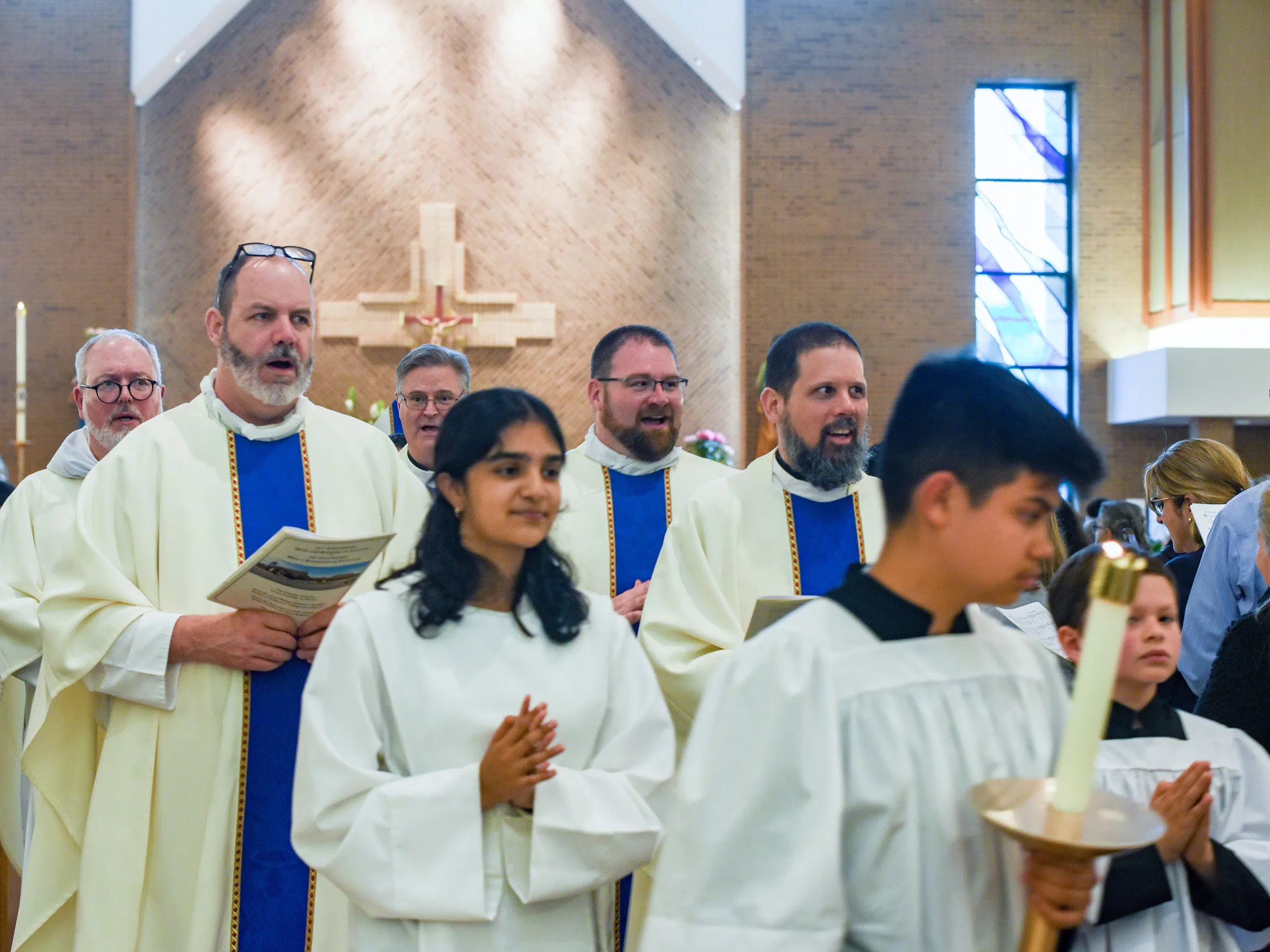
The Catholic Vicar is not merely a historical relic; the title represents a functional solution to the problem of scale. Whether an organization is a global religious institution, a burgeoning tech conglomerate, or a luxury fashion house, the fundamental challenge remains the same: how to project a singular, authoritative identity through a multitude of voices and locations. By delegating authority to those who act on behalf of the center—the Vicars—the organization creates a resilient structure capable of weathering crises, managing complex operations, and maintaining a consistent brand promise.
Through the lens of professional strategy, the Vicar is a testament to the power of structured delegation. It reminds us that in any large-scale enterprise, the true measure of a brand is not found solely at the headquarters, but in the effectiveness of those appointed to steward the mission on the front lines. The Catholic model of vicariate is, at its core, a robust framework for long-term brand endurance and institutional excellence.
aViewFromTheCave is a participant in the Amazon Services LLC Associates Program, an affiliate advertising program designed to provide a means for sites to earn advertising fees by advertising and linking to Amazon.com. Amazon, the Amazon logo, AmazonSupply, and the AmazonSupply logo are trademarks of Amazon.com, Inc. or its affiliates. As an Amazon Associate we earn affiliate commissions from qualifying purchases.