
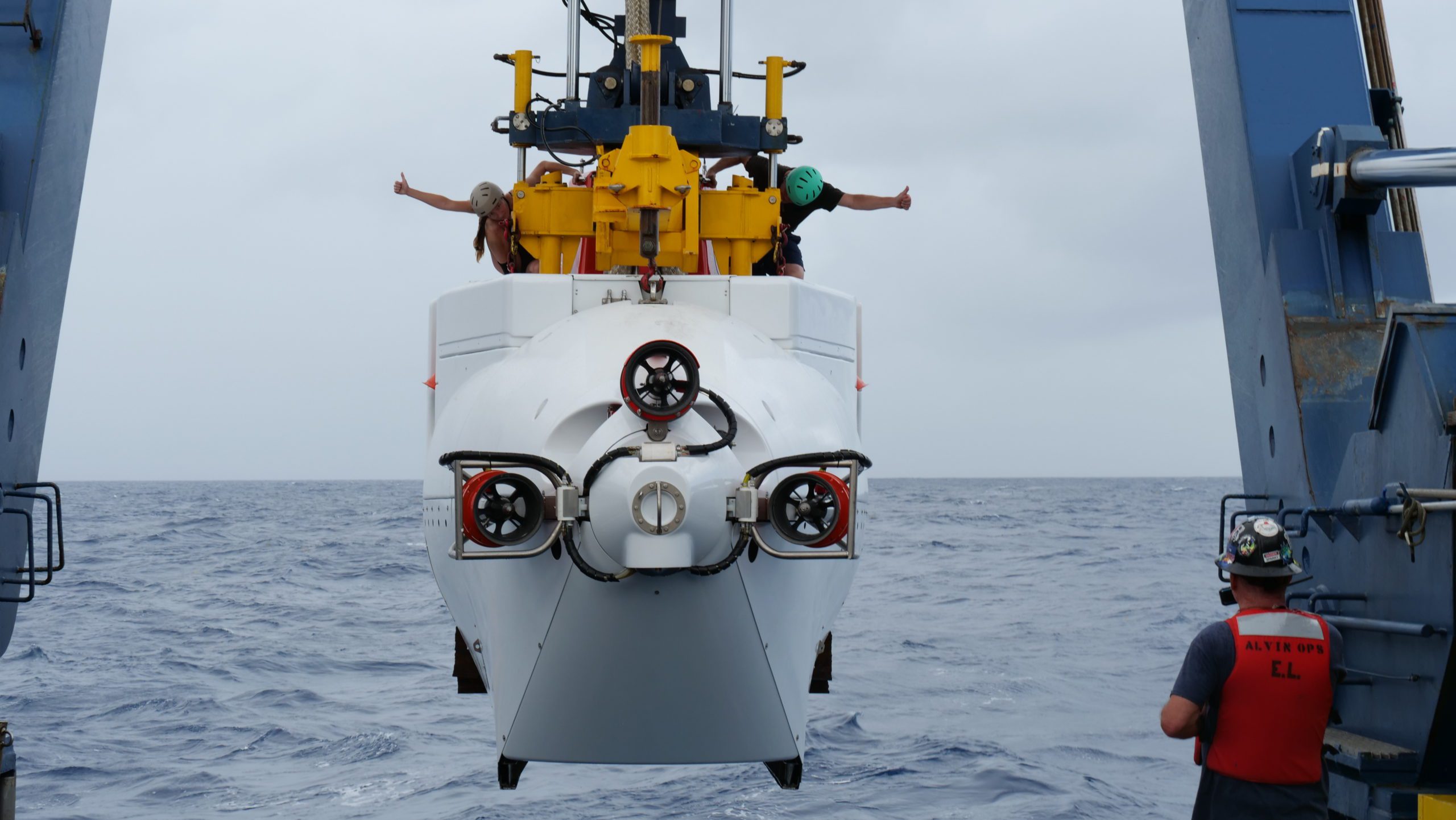
The DSV Alvin represents more than just a submersible; it is an enduring pillar of oceanographic technology. For over five decades, this titanium-hulled vessel has served as the primary tool for scientists to witness the seafloor firsthand, pushing the boundaries of what we understand about our planet’s extreme environments. When researchers aboard the Alvin make a discovery, they are not merely observing nature; they are leveraging advanced marine engineering, sophisticated navigation software, and high-definition imaging systems to redefine the frontiers of biological and geological science.
To understand the magnitude of these discoveries, one must look at the technical evolution of the submersible itself. From its early days in the 1960s to its current state-of-the-art configuration, the Alvin serves as a platform for the rapid integration of cutting-edge tech. It is within this intersection of deep-sea exploration and modern data analytics that the most profound scientific breakthroughs are currently being forged.

The Technological Evolution of Deep-Sea Exploration
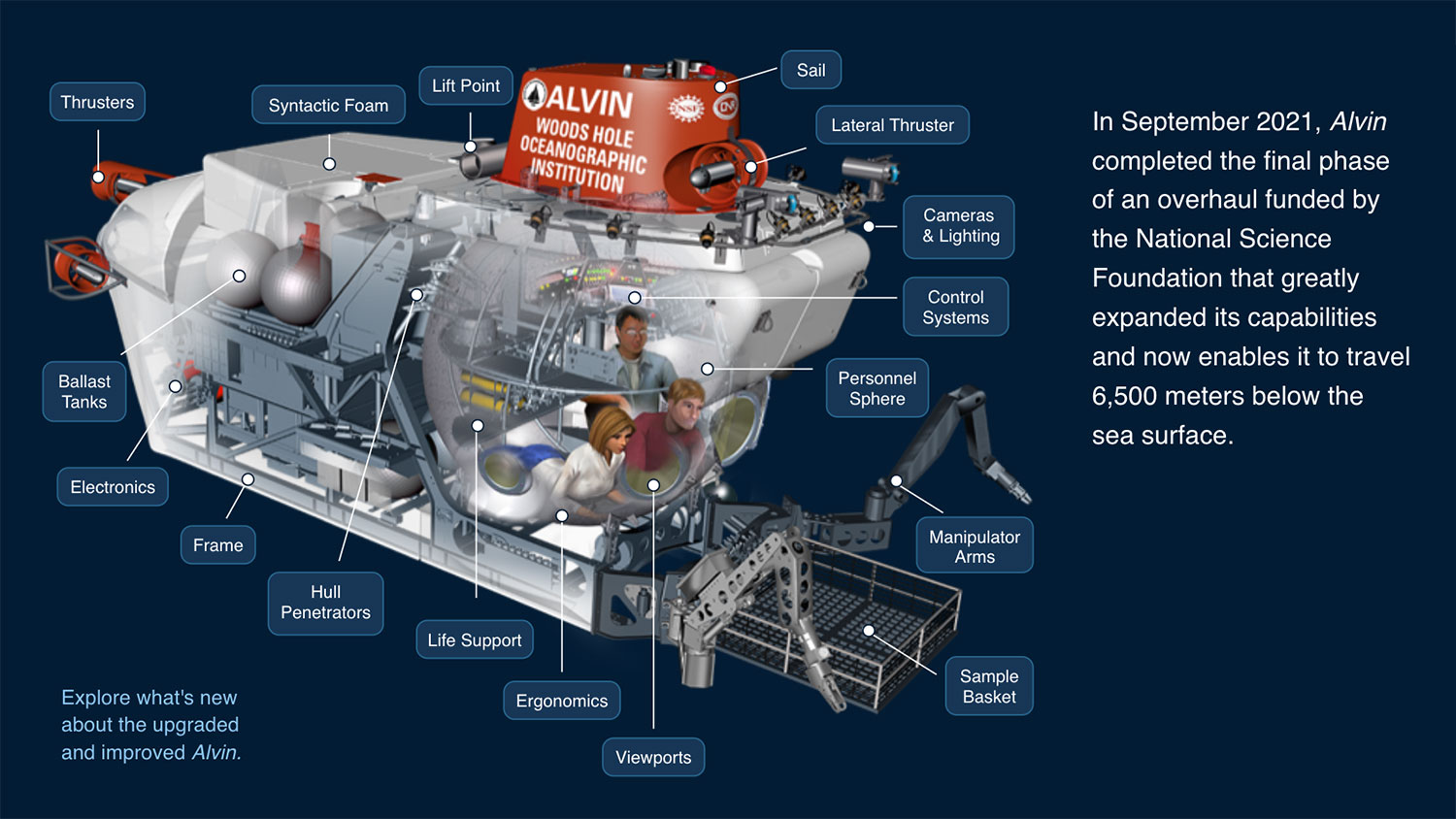
The success of the Alvin is inextricably linked to the rapid advancement of subsea hardware. What was once a relatively simple pressurized sphere has evolved into a complex, software-driven laboratory capable of precision operations at depths exceeding 6,000 meters.
Advanced Robotics and Manipulator Arms
One of the most critical tech integrations aboard the Alvin is its sophisticated suite of robotic manipulators. These hydraulic arms, controlled via high-fidelity feedback loops, allow researchers to collect delicate biological samples from hydrothermal vents—environments where temperatures and pressures would instantly crush traditional equipment. The precision afforded by these modern manipulators has transformed the vessel from a mere observation post into a mobile, high-tech surgical theater for marine biology.
Digital Imaging and Telemetry Systems
The shift toward 4K ultra-high-definition imaging and fiber-optic data transmission has revolutionized how we document the abyss. Previously, researchers relied on film or low-resolution video, which lacked the detail necessary to map complex biological structures. Today, integrated imaging systems allow for the real-time processing of visual data. This digital transformation enables teams to identify species and geological formations with unprecedented accuracy, feeding data directly into machine learning algorithms that assist in classifying benthic ecosystems.
Decoding the Hydrothermal Vent Microbiome
Perhaps the most significant scientific legacy tied to the Alvin is the discovery of hydrothermal vent ecosystems—a finding that fundamentally altered our understanding of life’s biological requirements. In the late 1970s, researchers utilizing the Alvin’s technical capabilities documented life forms thriving in complete darkness, nourished not by sunlight, but by chemical energy derived from the Earth’s mantle.
Chemosynthesis vs. Photosynthesis
Before this discovery, the scientific consensus was that all life on Earth relied on photosynthesis. The researchers aboard the Alvin proved that life could exist independently of the sun. By utilizing advanced thermal sensors and chemical analysis tools, they mapped the presence of hydrogen sulfide-oxidizing bacteria. This was a technological and biological milestone, proving that our software-driven instrumentation could detect chemical gradients and microbial life in the most hostile environments imaginable.
Data Modeling of Extreme Environments
Modern researchers now use the historical data gathered by the Alvin to build predictive models regarding ocean chemistry. By integrating historical vent location data with current software platforms designed for climate monitoring, scientists can forecast how these extreme ecosystems respond to shifting global ocean temperatures. This digital application of biological data demonstrates how the Alvin’s missions continue to yield dividends for modern environmental tech developers and climate scientists alike.
Navigating the Frontier with AI and Sonar
The ability to operate the Alvin safely and efficiently at extreme depths is a triumph of navigation technology. Moving through a pitch-black, high-pressure environment requires more than just skilled piloting; it requires a fusion of inertial navigation systems and advanced sonar mapping.
Precision Mapping Software
The seafloor is not a flat, featureless plain; it is a complex landscape of ridges, trenches, and volcanic chimneys. Researchers use multi-beam sonar systems integrated into the submersible’s nav-computer to generate real-time 3D maps of the terrain. This technology allows the pilot and the scientists to “see” through the darkness. The software interprets sound waves to render an accurate topographical map, allowing the team to identify areas of high scientific interest—such as active chimneys or dense biological colonies—before they even make visual contact.
Autonomous and Remote Integration
While the Alvin is a crewed vessel, it now frequently works in concert with Autonomous Underwater Vehicles (AUVs) and Remotely Operated Vehicles (ROVs). This multi-platform approach creates a digital “mesh” of data. The AUVs conduct broad-scale mapping, identifying promising zones, while the Alvin provides the “human-in-the-loop” precision necessary for targeted study. This workflow highlights the shift toward interconnected, software-supported exploration fleets, where data from one platform informs the behavior and trajectory of another.
Future Horizons: Tech, Data, and The Next Decade
As we look toward the future, the Alvin serves as a testbed for the next generation of subsea hardware. The focus is no longer just on reaching the seafloor, but on increasing the throughput of data returned to the surface.
Cloud-Based Oceanographic Data
We are entering an era where deep-sea discoveries are becoming increasingly digitized. The goal is to stream high-resolution data from the seafloor directly to cloud-based servers, allowing international teams of researchers to collaborate in real-time. By upgrading the Alvin’s communication protocols and data-storage hardware, researchers are ensuring that the discoveries made at the bottom of the ocean can be analyzed by AI models instantly, accelerating the pace of scientific discovery.
Scaling Sustainability via Tech
Finally, the research conducted aboard the Alvin is helping to develop more sustainable ways to manage ocean resources. By understanding the deep-sea carbon cycle and the potential for deep-sea mining to disrupt or support global ecological balances, researchers are providing the data necessary for policymakers to implement smarter, tech-enabled regulations. The vessel’s role as a mobile laboratory ensures that we have the ground-truth data required to feed into the complex simulations used for corporate environmental impact assessments and resource management.
In conclusion, the discoveries made by researchers aboard the Alvin are a direct result of a persistent commitment to technological excellence. By continuously upgrading the software, navigation, and imaging tools housed within this legendary submersible, we remain at the forefront of oceanographic science. The Alvin is not just a relic of exploration; it is a dynamic piece of high-tech machinery that continues to bridge the gap between human curiosity and the harsh realities of the deep-sea frontier. As we continue to refine the sensors, algorithms, and robotic systems that accompany every dive, we ensure that the Alvin remains the most effective tool for unlocking the mysteries hidden in the depths, providing the digital and physical evidence required to understand our planet’s future.
aViewFromTheCave is a participant in the Amazon Services LLC Associates Program, an affiliate advertising program designed to provide a means for sites to earn advertising fees by advertising and linking to Amazon.com. Amazon, the Amazon logo, AmazonSupply, and the AmazonSupply logo are trademarks of Amazon.com, Inc. or its affiliates. As an Amazon Associate we earn affiliate commissions from qualifying purchases.