
The quest to identify the material with the highest melting point is more than a simple exercise in trivia; it is a fundamental pillar of materials science, aerospace engineering, and industrial innovation. In the realm of technology—where processors run hot, engines operate at extreme pressures, and experimental manufacturing requires intense heat—understanding thermal thresholds is critical. When we ask what substance resists the transition from solid to liquid at the highest possible temperature, we are essentially asking which material can serve as the ultimate guardian against the destructive forces of extreme energy.
The Chemistry of Ultra-High Melting Points
At the atomic level, melting is a process of overcoming the intermolecular forces that hold a solid lattice together. To achieve an incredibly high melting point, a material must possess atomic bonds that are exceptionally strong, requiring massive amounts of thermal energy to break. While pure elements like tungsten have long been the gold standard for high-temperature applications, modern materials science has pushed beyond the periodic table to engineer composite structures that shatter previous records.

The Role of Bond Energy
The strength of a material is dictated by the nature of its atomic bonding. In high-melting-point materials, we typically observe strong covalent or metallic-covalent bonding. These bonds are rigid and require significant vibration (heat) to disrupt. When selecting materials for technology infrastructure, engineers look for substances where these bonds are resistant to degradation under oxidizing or reducing atmospheres.
The Limitation of Pure Elements
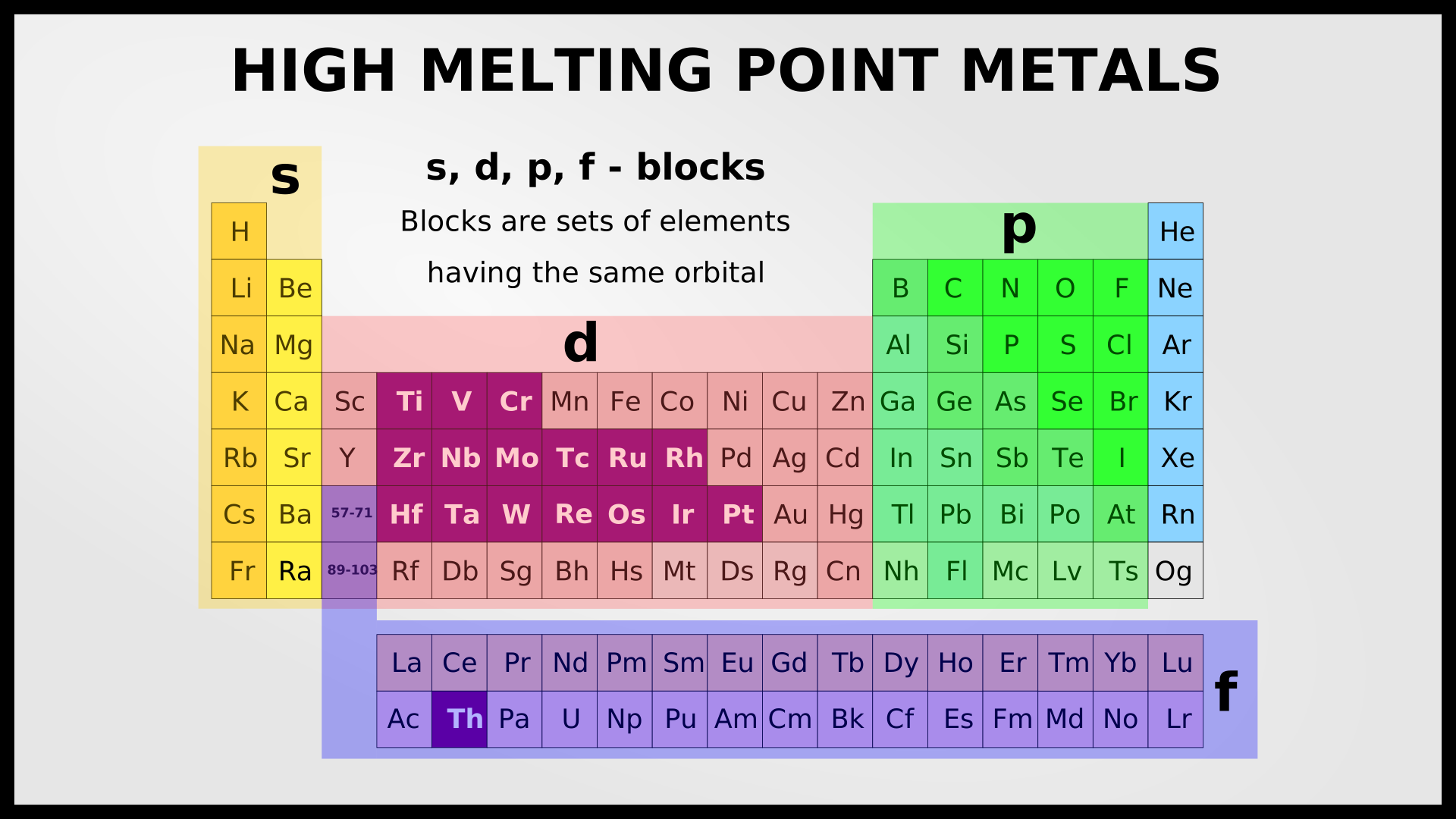
For decades, tungsten held the crown among pure elements, with a melting point of approximately 3,422°C (6,192°F). It remains the backbone of incandescent light filaments and TIG welding electrodes because of this inherent thermal stability. However, as our technological demands grow—specifically in hypersonic flight and plasma confinement—the limits of pure elements have been reached. This has shifted the focus toward ceramics and transition metal carbides.
Breakthroughs in Ultra-High-Temperature Ceramics (UHTCs)
The frontier of high-melting-point technology lies in Ultra-High-Temperature Ceramics (UHTCs). These are not merely metals; they are compounds, usually featuring transition metals bonded with carbon or nitrogen, known as refractory carbides and nitrides. These materials are engineered to function in environments where standard metals would become molten slag.
Hafnium and Tantalum Compounds
Current research identifies specific compounds—namely hafnium carbide (HfC) and tantalum carbide (TaC)—as the contenders for the highest melting points ever recorded. Recent studies have demonstrated that certain solid-solution alloys of these elements can reach melting points exceeding 4,000°C (7,232°F). These materials are the “holy grail” for thermal protection systems.
The “Entropy-Stabilized” Revolution
One of the most exciting developments in materials tech is the use of high-entropy ceramics. By mixing multiple elements in specific ratios, scientists have discovered that they can “tune” the atomic lattice to increase the melting point beyond that of any individual component. This is a game-changer for software-driven design; using AI-assisted molecular modeling, engineers can simulate thousands of alloy combinations to identify the precise composition that will withstand extreme heat without sacrificing structural integrity or becoming too brittle.
Industrial Applications in Modern Technology
Understanding what has the highest melting point is not just academic; it dictates the trajectory of modern technological advancement. From the nose cones of space vehicles to the internal components of nuclear fusion reactors, the practical application of these materials enables breakthroughs that were previously physically impossible.
Aerospace and Hypersonic Flight
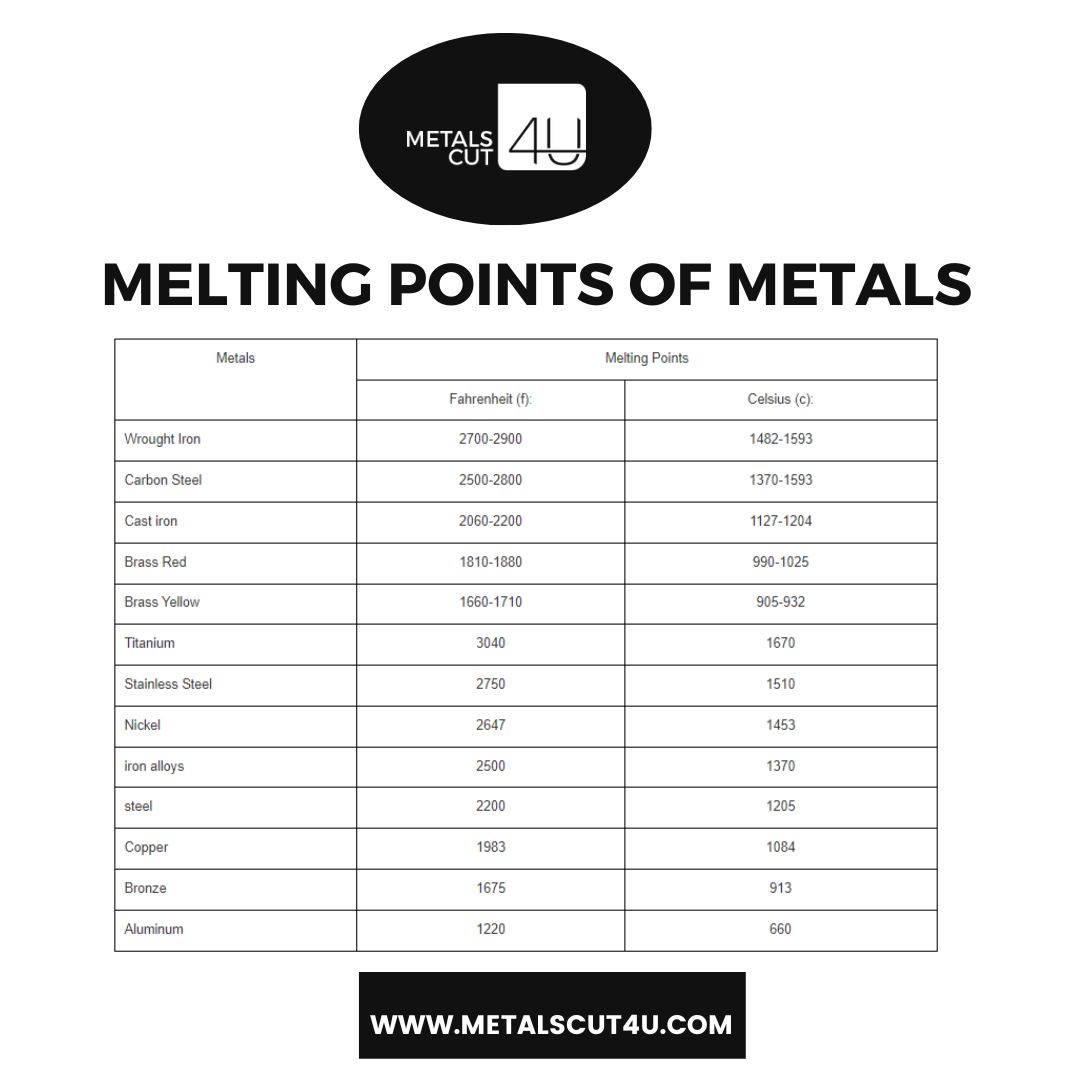
Hypersonic vehicles, which travel at speeds exceeding Mach 5, generate intense frictional heat as they slice through the atmosphere. The leading edges of these vehicles—the nose and wing tips—are subjected to temperatures that would liquefy standard aerospace alloys like titanium or nickel-based superalloys. By coating these components in hafnium-based ceramics, engineers can ensure that the vehicle maintains its shape and structural integrity during high-speed transit. This allows for more precise flight controls and safer re-entry profiles for space-bound craft.
Energy Infrastructure and Fusion
The vision of clean, limitless fusion energy depends on our ability to contain a plasma heated to temperatures reminiscent of the center of a star. The divertor components of a tokamak (the device used for magnetic confinement fusion) must endure constant bombardment from high-energy neutrons and extreme heat flux. Developing tiles made from ultra-high-melting-point carbides is a primary objective in nuclear research. If these materials fail, the reactor’s integrity is compromised. Therefore, the race to refine these ceramics is directly linked to the future of global energy production.
Microelectronics and Thermal Management
In the world of computing, heat is the enemy of performance. As we pack more transistors into smaller spaces (Moore’s Law and its successors), the thermal density of microchips increases. While we are not yet using tungsten-carbide in consumer smartphones, the principles learned from studying these materials inform the development of high-performance thermal interface materials (TIMs). These substances, often infused with nanostructures, help dissipate heat away from the silicon die, allowing for faster clock speeds and more efficient AI processing without thermal throttling.
Challenges in Manufacturing and Deployment
Despite the incredible thermal properties of materials like hafnium carbide and tantalum carbide, their deployment is not without hurdles. The very qualities that make them heat-resistant—extreme hardness and high atomic bond strength—make them notoriously difficult to work with using traditional manufacturing methods.
The Fabrication Barrier
Because these materials have such high melting points, they cannot be easily cast or molded using traditional foundry techniques. To shape them, manufacturers must rely on powder metallurgy, where the material is compressed into a shape and then “sintered” (heated until the particles bond without fully liquefying). This process is energy-intensive and expensive, which limits the current use of these materials to specialized, high-budget sectors like defense and aerospace.
Additive Manufacturing (3D Printing)
The emergence of 3D printing for metals—specifically Direct Energy Deposition (DED) and Selective Laser Melting (SLM)—offers a potential solution. By using high-powered lasers to fuse thin layers of refractory powders, engineers are beginning to create complex geometries that were previously impossible to machine. This allows for the internal cooling channels required in rocket engines, which can be made of these high-melting-point materials to keep the overall structure cool while the outer surface is bathed in plasma.
Brittleness and Oxidation
While these materials resist heat, many are susceptible to oxidation—the process where they react with oxygen at high temperatures to form a brittle oxide layer. Solving this involves creating composite coatings or “functional grading,” where the material’s composition shifts from the interior to the exterior, ensuring the surface is oxidation-resistant while the core provides the necessary heat-shielding properties.
The Future Landscape of Thermal Science
As we look toward the next generation of technological infrastructure, the study of materials with the highest melting points will continue to evolve. We are moving toward a future where we do not just discover materials with these properties, but actively curate them.
Through the integration of machine learning and high-throughput experimental testing, the timeframe for discovering new high-melting-point compounds is shrinking. What once took years of trial-and-error in the lab can now be simulated and optimized in days. As our demand for faster travel, more efficient energy, and more powerful computing grows, the ability to control and utilize these “ultimate” materials will remain a critical benchmark of technological civilization. The material with the highest melting point is not just a scientific curiosity; it is the foundation upon which our most ambitious engineering dreams are built.
aViewFromTheCave is a participant in the Amazon Services LLC Associates Program, an affiliate advertising program designed to provide a means for sites to earn advertising fees by advertising and linking to Amazon.com. Amazon, the Amazon logo, AmazonSupply, and the AmazonSupply logo are trademarks of Amazon.com, Inc. or its affiliates. As an Amazon Associate we earn affiliate commissions from qualifying purchases.