
In the intricate ecosystem of a honeybee colony, the queen is not merely a figurehead; she is the biological and chemical anchor of the entire organization. When a colony loses its queen, it is not unlike a corporation losing its CEO during a period of critical market disruption. The structural integrity, operational efficiency, and long-term viability of the entity are instantly cast into uncertainty. From a business leadership perspective, the “death” of a queen bee serves as a masterclass in contingency planning, succession management, and the fragility of centralized command structures.
The Immediate Crisis: Operational Disruption and Loss of Command
When a queen bee dies, the most immediate impact is the cessation of the colony’s primary communication network. A queen emits a suite of pheromones known as “queen mandibular pheromone” (QMP). These chemical signals act as the central nervous system of the hive, suppressing the reproductive instincts of the worker bees and maintaining a sense of unified purpose.

The Collapse of Corporate Signaling
In business terms, the pheromones represent the mission statement, vision, and strategic directives that emanate from leadership. When this communication stream is cut, the “employees”—the worker bees—experience immediate disorientation. Productivity does not merely slow; it shifts. In a hive, the loss of pheromones triggers a state of emergency. The workers, deprived of the queen’s chemical suppressants, begin to undergo physiological changes. This is the ultimate example of a decentralized organization lacking a clear directive. Without the leader, the workers become anxious, the foraging efficiency drops, and the internal temperature regulation of the hive—a task critical to the survival of the brood—starts to fluctuate.
Assessing the Assets
Just as a company must conduct an immediate audit of its resources following a sudden leadership vacuum, the hive immediately pivots to an inventory assessment. The bees assess the remaining brood—the eggs and larvae—to determine if they have the necessary raw materials to manufacture a successor. This is the “survival of the firm” phase. If the colony lacks young, three-day-old larvae, they have no capacity to create a new leader. Without that potential, the hive is effectively a “dead company walking,” destined for a slow dissolution as the existing population ages and dies off without a replacement workforce.
Succession Planning: The Race to Cultivate Leadership
The transition process in a beehive is a high-stakes race against time. Because a colony cannot survive long without the ability to produce new offspring, they must implement a succession plan immediately. This is not an appointment of an heir; it is a rapid development program where the workers choose specific larvae to be “promoted” into the role of queen.
Identifying Potential Candidates
The bees identify larvae that are of the correct developmental age. Through the application of royal jelly—a nutrient-dense secretion—the workers transform what would have been a standard worker bee into a reproductive queen. This mirrors corporate talent development programs where high-potential employees are fast-tracked into leadership roles through specialized training, mentorship, and increased investment. The hive recognizes that the status quo is unsustainable and proactively reallocates resources (royal jelly) to ensure the continuity of the operation.
The Dangers of Competitive Succession
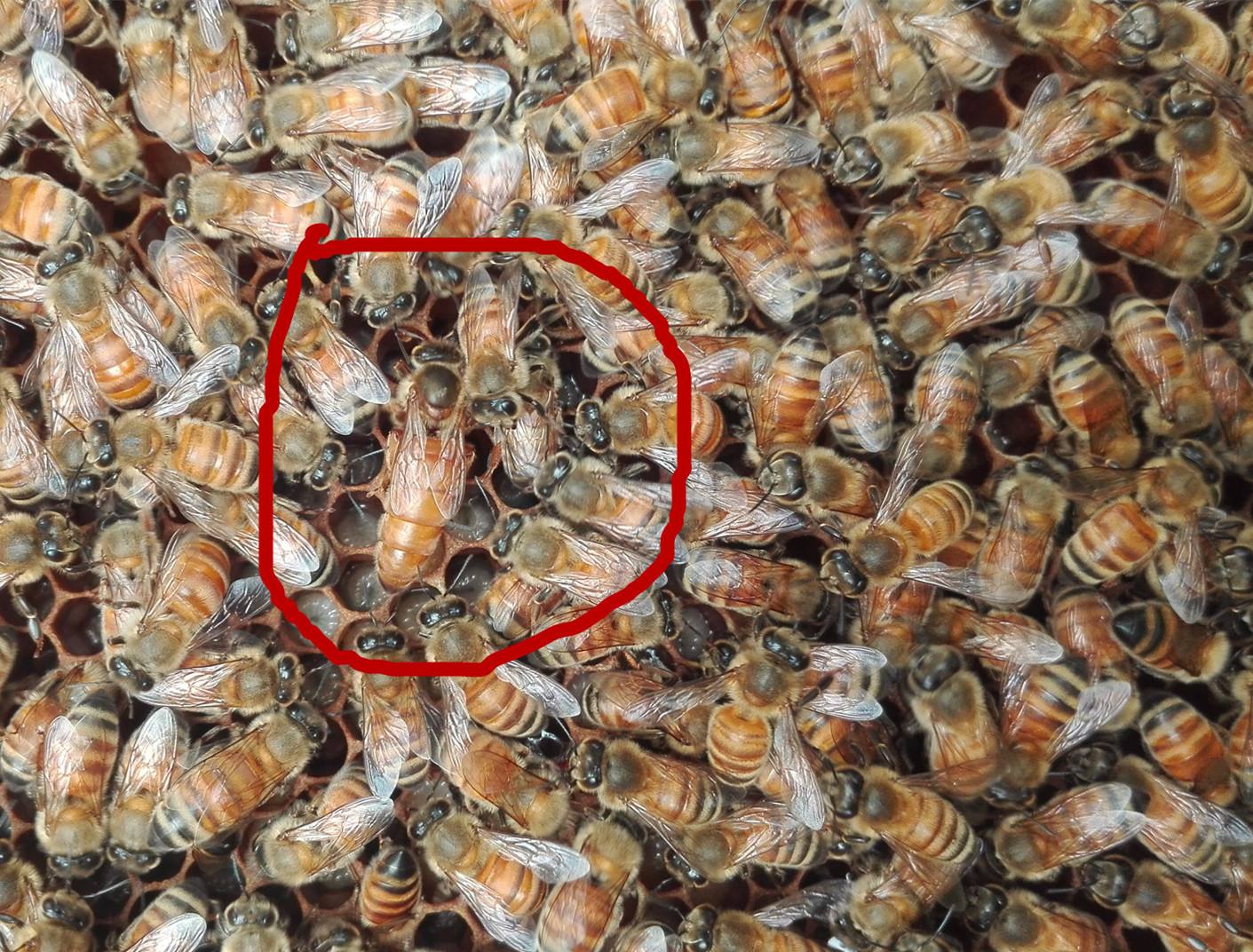
If multiple queens are raised simultaneously, the result is an internal power struggle. Once the new queens emerge, they often engage in mortal combat until one remains. This is the biological version of a hostile boardroom takeover or a chaotic transition period where multiple factions vie for dominance. From a strategic standpoint, this is inefficient but ultimately effective at selecting the strongest candidate to lead the organization. The colony prioritizes the survival of the unit over the comfort of the individual, ensuring that whoever takes the throne has the strength and viability to lead the colony into its next growth phase.
The Re-establishment of the Hive Culture
Once a new queen has successfully emerged and completed her mating flight, the colony enters a period of stabilization. The new leader must solidify her authority by re-establishing the pheromone output that was lost upon the death of her predecessor.
Restoring the Brand Identity
The pheromones of a queen function as the brand identity of the hive. They tell every bee in the colony who they are, where they belong, and what their objectives are. When the new queen successfully broadcasts her specific chemical profile, the colony’s anxiety wanes. The foragers resume their normal duties, the house bees return to their maintenance routines, and the collective hive mind regains its rhythm. In business, this is the phase where a new CEO stabilizes the culture, re-affirms the company values, and restores the confidence of the stakeholders (the workers).
Mitigating Risks of the Transition Gap
The period between the death of the old queen and the successful mating of the new one is the “danger zone.” During this time, the hive is vulnerable to external threats, such as wasps, mites, or rival colonies looking to pillage resources. A leaderless company is equally vulnerable to market competitors who might move in to capture market share while the organization is distracted by its own internal instability. The resilience of the colony depends entirely on how quickly they can close this “leadership gap.” If the succession takes too long, the morale of the workers plummets, and the organizational structure begins to fray, leading to a point of no return where the hive becomes a hollow shell.
Lessons in Resilience and Institutional Memory
Reflecting on the life and death of a queen bee reveals profound insights into the nature of organizational health. The hive is a testament to the idea that an organization is only as strong as its ability to replace its leadership.
Decentralized Resilience
While the queen is the central figure, the knowledge of how to produce a successor is distributed throughout the entire colony. The workers know exactly what to do when the queen dies. This is a form of institutional memory that transcends the leader. A company that relies too heavily on one individual without building deep, structural competency among its staff is doomed when that individual departs. The hive survives because it views the queen as a functional role rather than a person. When the role is empty, the system automatically triggers the protocol to fill it.
The Priority of Continuity
In every stage of the queen’s death and replacement, the hive prioritizes the continuity of the organism. Decisions are not made based on politics, sentiment, or inertia, but on the biological imperative of the collective. As we look at the mechanics of our own professional environments, the lesson is clear: long-term success is not defined by the brilliance of a single leader, but by the strength of the systems that support leadership succession. When the “queen” of your organization moves on, will your team instinctively know how to raise a new one, or will the hive collapse under the weight of its own lack of preparation? The survival of the business, much like the survival of the colony, depends on the answer to that question.
aViewFromTheCave is a participant in the Amazon Services LLC Associates Program, an affiliate advertising program designed to provide a means for sites to earn advertising fees by advertising and linking to Amazon.com. Amazon, the Amazon logo, AmazonSupply, and the AmazonSupply logo are trademarks of Amazon.com, Inc. or its affiliates. As an Amazon Associate we earn affiliate commissions from qualifying purchases.