
The transition from a dominant athlete to a globally recognized powerhouse is rarely accidental. When we analyze what happened with Serena Williams, we are not merely looking at the end of a legendary tennis career; we are observing the intentional orchestration of a personal brand that has successfully transcended the boundaries of sports. Serena Williams represents the gold standard of personal branding, demonstrating how an individual can leverage athletic excellence to build a multi-faceted corporate identity that influences venture capital, fashion, and social advocacy.
The Architecture of an Iconic Personal Brand
A personal brand is not built overnight, nor is it merely a reflection of one’s professional output. For Williams, her brand identity was meticulously crafted at the intersection of authenticity and excellence. By maintaining a singular focus on being “the best” while simultaneously fostering a persona that was relatable and human, she created an emotional connection with her audience that few global figures ever achieve.

Consistency Through Narrative Control
The core of Williams’s branding strategy lies in narrative control. Throughout her tenure in tennis, she did not just play matches; she told a story of resilience, defiance against systemic adversity, and the pursuit of greatness. By owning her narrative—even during periods of intense public scrutiny—she ensured that her brand remained synonymous with empowerment. This consistency is a pillar of personal branding; it dictates that the audience knows exactly what you stand for, regardless of the platform you occupy.
Transcending the Sport
What happened with Serena Williams in the final years of her athletic career was a deliberate shift in the center of gravity. She transformed from a “tennis player” into a “global icon.” This transition was achieved by diversifying her public presence. Whether through her venture capital firm, Serena Ventures, or her investments in technology and fashion, she signaled to the market that her identity was not confined to a court. By associating her name with sectors like fintech, health-tech, and sustainable retail, she repositioned herself as a strategic business leader who happens to have a background in professional sports.
Strategic Diversification: From Athlete to Venture Capitalist
The most significant aspect of the “Serena Williams story” in recent years is her pivot toward institutional finance and venture capital. This move illustrates a sophisticated understanding of corporate identity: the realization that the most sustainable brands are those that evolve alongside their founders.
The Role of Serena Ventures
Serena Ventures has become a definitive case study in brand extension. By focusing on underrepresented founders, Williams aligned her personal values with her financial strategy. This is a masterful branding move; it reinforces her image as an advocate for equity while simultaneously positioning her as a savvy investor with a distinct competitive advantage. Her brand is no longer just about her own performance; it is about the performance of the companies she chooses to back.
Aligning Brand Values with Market Impact
Success in personal branding requires the alignment of one’s platform with a broader social mission. Williams recognized early on that her brand held immense cultural capital. By leveraging this capital to provide a megaphone for marginalized entrepreneurs, she deepened the loyalty of her audience. In the world of high-stakes business, this is not just “good PR”—it is a strategic use of brand equity to create a moat around one’s business interests. Her brand presence now provides visibility for her portfolio companies that they would otherwise struggle to acquire through traditional marketing channels.

The Intersection of Fashion, Lifestyle, and Corporate Identity
Serena Williams’s foray into fashion with her self-titled line, “S by Serena,” is a critical component of her transition into a lifestyle entrepreneur. This transition proves that a strong personal brand is a transferable asset, provided it is anchored in a clear value proposition.
Building a Business Beyond the Court
The business model of “S by Serena” is centered on inclusivity and empowerment. By creating a brand that caters to diverse body types, Williams utilized her personal experience as a high-performance athlete with a non-traditional physique to solve a gap in the market. This is the definition of a brand-led business strategy: identifying a friction point that your personal brand is uniquely qualified to address and creating a product that serves that purpose.
Designing a Legacy of Accessibility
The brand strategy here is one of accessibility. While Williams is an elite, world-renowned figure, her brand assets remain accessible to her core demographic. This balance is vital for brand longevity. By moving away from the exclusivity of high-fashion sponsorships and toward building her own accessible retail identity, she ensured that her brand could exist in the daily lives of her supporters, independent of her on-court performance. This shift ensured that when she retired from professional tennis, the “Serena” brand didn’t retire with her.
Lessons in Strategic Evolution for the Modern Professional
What we can learn from the trajectory of Serena Williams is that branding is a dynamic process of reinvention. Her journey offers a blueprint for professionals who aim to build a brand that is resilient enough to survive significant shifts in their professional reality.
The Importance of Strategic Positioning
Williams teaches us that one’s “niche” is a starting point, not a ceiling. When she dominated the tennis world, she was branding herself for the next phase of her life. She utilized press conferences, magazine covers, and social media not just to talk about tennis, but to discuss technology, venture capital, and social justice. She was strategically positioning herself in the minds of stakeholders—investors, partners, and consumers—as a multidimensional leader long before the curtain fell on her playing days.
Protecting the Core While Expanding the Perimeter
A major trap in personal branding is losing the “core” in the quest for diversification. Throughout her career, Williams never allowed her outside interests to dilute her excellence on the court. She understood that her credibility as a businesswoman was tethered to the fact that she was a winner in her original domain. The lesson for any professional building a brand is simple: solidify your reputation in your primary field before attempting to command authority in new, unrelated markets.
The Long Game: Legacy and Longevity
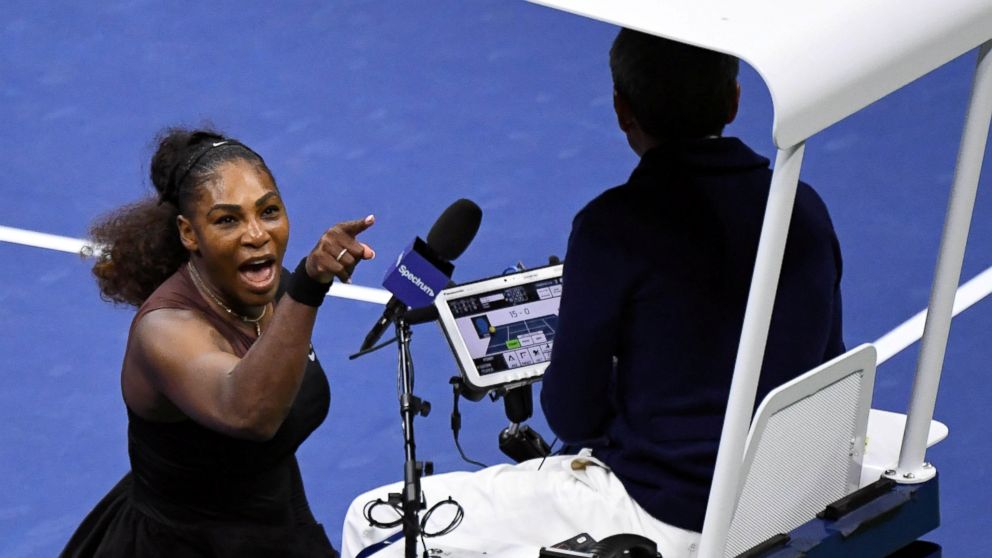
Ultimately, what happened with Serena Williams is the successful execution of the long game. She recognized that a brand is not a static logo or a hashtag; it is a reputation that is nurtured over time and invested into future ventures. By treating her life as a portfolio, she has effectively immunized her brand against the volatility of the sports world.
Today, she stands as a testament to the power of deliberate branding. She has moved past the “what happened” phase and entered the phase of “what is next.” Her story serves as a reminder that for those who view their career through the lens of brand strategy, there is no such thing as an end—only a pivot toward the next strategic opportunity. Her brand continues to grow, influence, and innovate, proving that when an individual masters the art of corporate identity, their influence becomes an evergreen asset that thrives regardless of the environment.
aViewFromTheCave is a participant in the Amazon Services LLC Associates Program, an affiliate advertising program designed to provide a means for sites to earn advertising fees by advertising and linking to Amazon.com. Amazon, the Amazon logo, AmazonSupply, and the AmazonSupply logo are trademarks of Amazon.com, Inc. or its affiliates. As an Amazon Associate we earn affiliate commissions from qualifying purchases.