
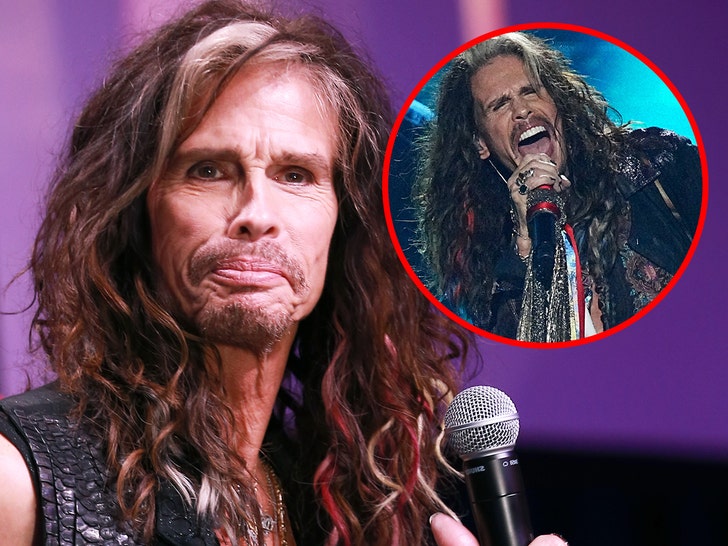
The enduring power of a personal brand is rarely tested by the heights of success; it is tested by the inevitable friction of aging, health, and the public’s perception of longevity. Steven Tyler, the iconic frontman of Aerosmith, serves as a masterclass in the intersection of personal branding and crisis management. When news broke regarding his serious vocal injury and the subsequent cancellation of the band’s farewell tour, it was not merely a medical update—it was a significant narrative shift in one of rock music’s most storied corporate identities. For brand strategists and public figures alike, the way Tyler and his management team navigated this inflection point offers profound insights into how to maintain authority and authenticity when a brand’s primary asset—in this case, his voice—is compromised.
The Anatomy of a Personal Brand Under Pressure
A personal brand is built on the promise of consistency. For decades, Steven Tyler’s brand has been synonymous with “The Demon of Screamin’”—an image of relentless energy, vocal range, and an almost superhuman ability to command a stage. When a brand built on performance excellence encounters a physical limitation, the immediate challenge is to pivot from “performance-based value” to “legacy-based value” without diluting the brand’s equity.
The Role of Transparency in Reputation Management
In the modern digital landscape, the response to a crisis is as important as the crisis itself. Tyler’s communication strategy following his vocal cord injury prioritized radical transparency. By acknowledging the severity of the damage—which included fractured larynx and vocal cord hemorrhaging—his team successfully framed the narrative. Instead of attempting to hide the fragility of the human behind the rock-star persona, they leaned into the reality of the situation. This approach prevented the vacuum of information that usually leads to rampant speculation, which is the quickest way to erode brand trust.
By maintaining control of the narrative, Tyler protected his brand from becoming a caricature. When a public figure controls their own health narrative, they transition from a “product” that is failing to a “human” who is enduring. This distinction is vital for long-term brand loyalty.
Pivoting the Value Proposition: From Performer to Legend
When a core competency—the voice—is suddenly stripped away, a brand must find new ways to deliver value to its audience. Aerosmith’s decision to transition into a final tour, and eventually, the difficult decision to permanently step back from live performance, was a strategic move designed to preserve the integrity of the brand.
Protecting the Brand Equity
In marketing, “brand equity” refers to the value premium that a company generates from a product with a recognizable name compared to a generic equivalent. For Steven Tyler, his voice is his equity. By choosing to stop touring rather than delivering subpar performances, Tyler protected the legacy of Aerosmith. A declining performance quality would have acted as “brand dilution,” where the substandard experience tarnishes the memories of the high-quality experiences that preceded it.
Strategically, the choice to end the live performance chapter was a way of “sunsetting” a product line. In corporate branding, sunsetting a service that no longer meets the company’s quality standards is a mark of professional maturity. It communicates that the brand respects its customers enough to exit the market rather than provide a diminished experience.
Leveraging the Archive as a Revenue Stream
The transition from active performer to legacy figure opens up new avenues for brand monetization that do not rely on vocal performance. As the focus shifts from the live stage to the cultural archive, the personal brand evolves. This includes licensed merchandise, documentaries, autobiographical works, and the careful curation of decades of musical history. By solidifying the “legend” status, Tyler’s team ensures that the brand remains culturally relevant, even when the primary service (the tour) is no longer available.

The Long-Term Impact of Crisis on Identity
The injury of a public figure is a litmus test for the strength of their “Personal Brand Architecture.” Architecture refers to how the different facets of a brand interact. In Tyler’s case, he is not just a singer; he is a fashion icon, a television personality, and a rock historian. Because his personal brand was diversified beyond just his vocal cords, the impact of the injury was cushioned.
Diversification as a Risk Mitigation Strategy
Many artists make the mistake of having their personal brand identity tethered solely to their craft. If that craft fails, the brand effectively dies. Tyler’s presence in media—such as his tenure as a judge on American Idol and his presence in the fashion world—created “secondary brand pillars.”
When the primary pillar (the voice) faced a crisis, these secondary pillars allowed the personal brand to remain visible and solvent. This is a critical lesson for any personal brand strategy: do not let your professional identity be a single point of failure. By diversifying, Tyler ensured that he was not just a singer, but a brand entity capable of existing in multiple spaces simultaneously.
The Audience Relationship and Emotional Capital
The outpouring of support following the announcement of Tyler’s injury highlighted the “Emotional Capital” he has accrued over fifty years. Emotional capital is the reservoir of goodwill built up through consistent interaction and shared history with an audience.
When a brand experiences a significant shock, this capital is what prevents total collapse. Fans did not demand a “refund” on their loyalty; they shifted from “consumers” of his music to “supporters” of his well-being. This shift signifies a deep level of parasocial connection that is the hallmark of a world-class personal brand. Managing this relationship requires a delicate touch—one that values the human connection over the transactional, ensuring that the brand remains beloved even when the output changes.
Lessons for Future Brand Leaders
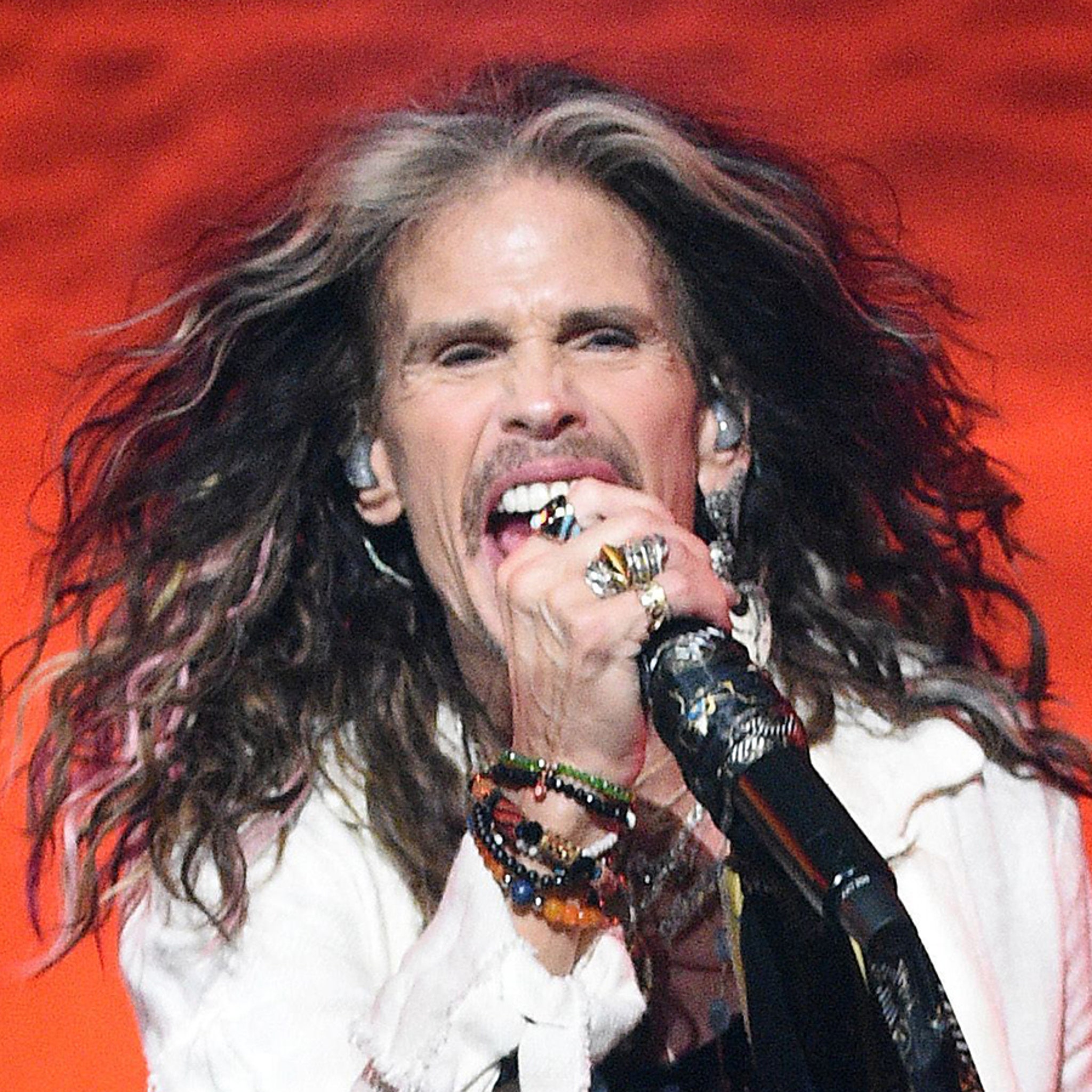
The case of Steven Tyler’s vocal injury is a masterclass in how to manage a career transition during a period of involuntary decline. For leaders, entrepreneurs, and influencers, the takeaways are clear.
First, identify the “Primary Asset” of your brand and develop secondary pillars to support it. If your influence is built solely on one skill, you are vulnerable to the rapid changes of the market or, in this case, biological reality.
Second, prioritize brand integrity over short-term revenue. There is a temptation to “push through” or “fake it” when facing a professional setback. However, history shows that brands that exit a stage with dignity maintain higher long-term value than those that fade through diminishing returns.
Finally, communicate with intent. In an era where information travels instantly, the ability to frame your own story is a competitive advantage. Tyler’s team understood that the narrative of a “legend bowing out with grace” is far more powerful than the narrative of a “star struggling to maintain a status quo.”
As Steven Tyler enters this new phase of his life, his brand remains robust not because of what he can do today, but because of how he handled the transition from the stage to the history books. His story is a testament to the fact that while vocal cords may wear out, a well-managed personal brand—if treated with the right level of strategy, respect, and foresight—is designed to endure indefinitely. The injury did not end the brand; it merely forced it to evolve, proving that true legacy is not found in the performance, but in the brand that survives it.
aViewFromTheCave is a participant in the Amazon Services LLC Associates Program, an affiliate advertising program designed to provide a means for sites to earn advertising fees by advertising and linking to Amazon.com. Amazon, the Amazon logo, AmazonSupply, and the AmazonSupply logo are trademarks of Amazon.com, Inc. or its affiliates. As an Amazon Associate we earn affiliate commissions from qualifying purchases.