
The story of Ricky Martin Lloyd Walters—known globally as Slick Rick—is not merely a chronicle of hip-hop history; it is a masterclass in the power of visual identity. For decades, the public has been captivated by the mysterious eye patch that defines his aesthetic. While the medical reality of his eye injury is a matter of public record, the brilliance of his career lies in how he transformed a personal vulnerability into a foundational pillar of his personal brand. In the world of entertainment, where visual recognition is the ultimate currency, Slick Rick provides the definitive case study on how to leverage a unique physical identifier to achieve long-term brand equity.
The Intersection of Authenticity and Visual Identity
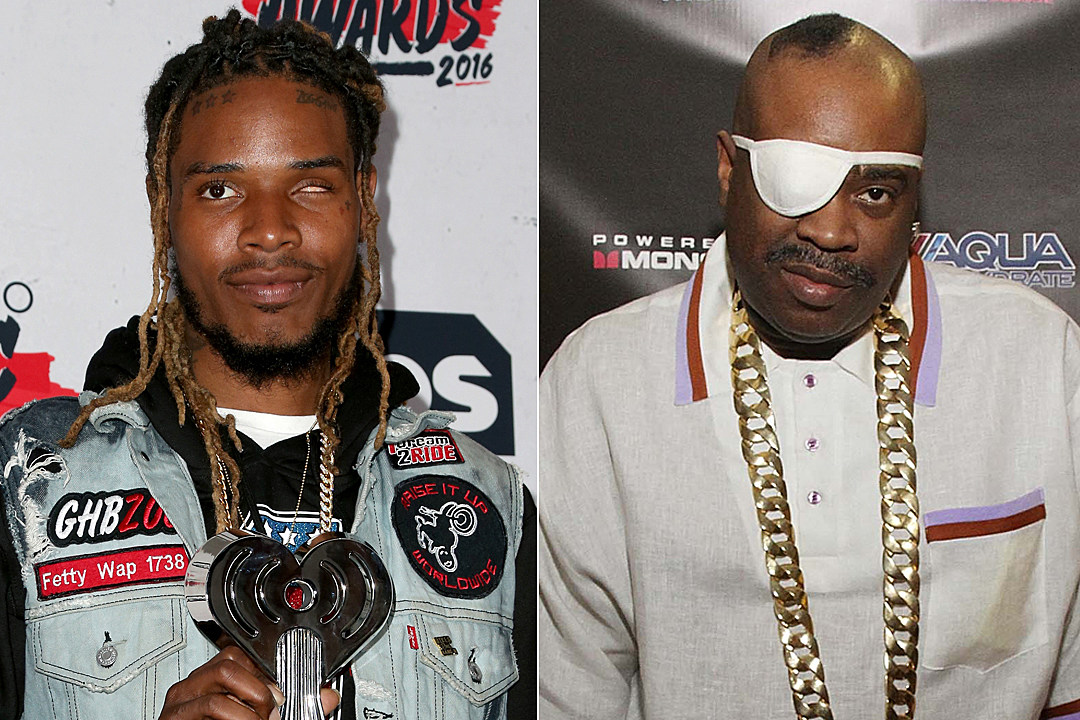
In personal branding, the goal is to create a “visual shorthand”—a set of symbols or traits that allow an audience to identify the brand instantly, even from a distance. For Slick Rick, the eye patch did not begin as a branding exercise; it was the result of an injury sustained in childhood caused by broken glass. However, his decision to embrace the patch rather than hide it represents a seminal moment in hip-hop iconography.
Defining the “Signature”
Every iconic figure in culture possesses a signature element. For Steve Jobs, it was the black turtleneck; for Andy Warhol, the silver wig; for Slick Rick, the eyepatch. By making the patch a permanent fixture of his public persona, he bypassed the need for traditional corporate logo design. His face became the logo. When a brand identifies a core differentiator—even one rooted in perceived imperfection—and leans into it, they create a level of authenticity that competitors cannot replicate.
Turning Liability into an Asset
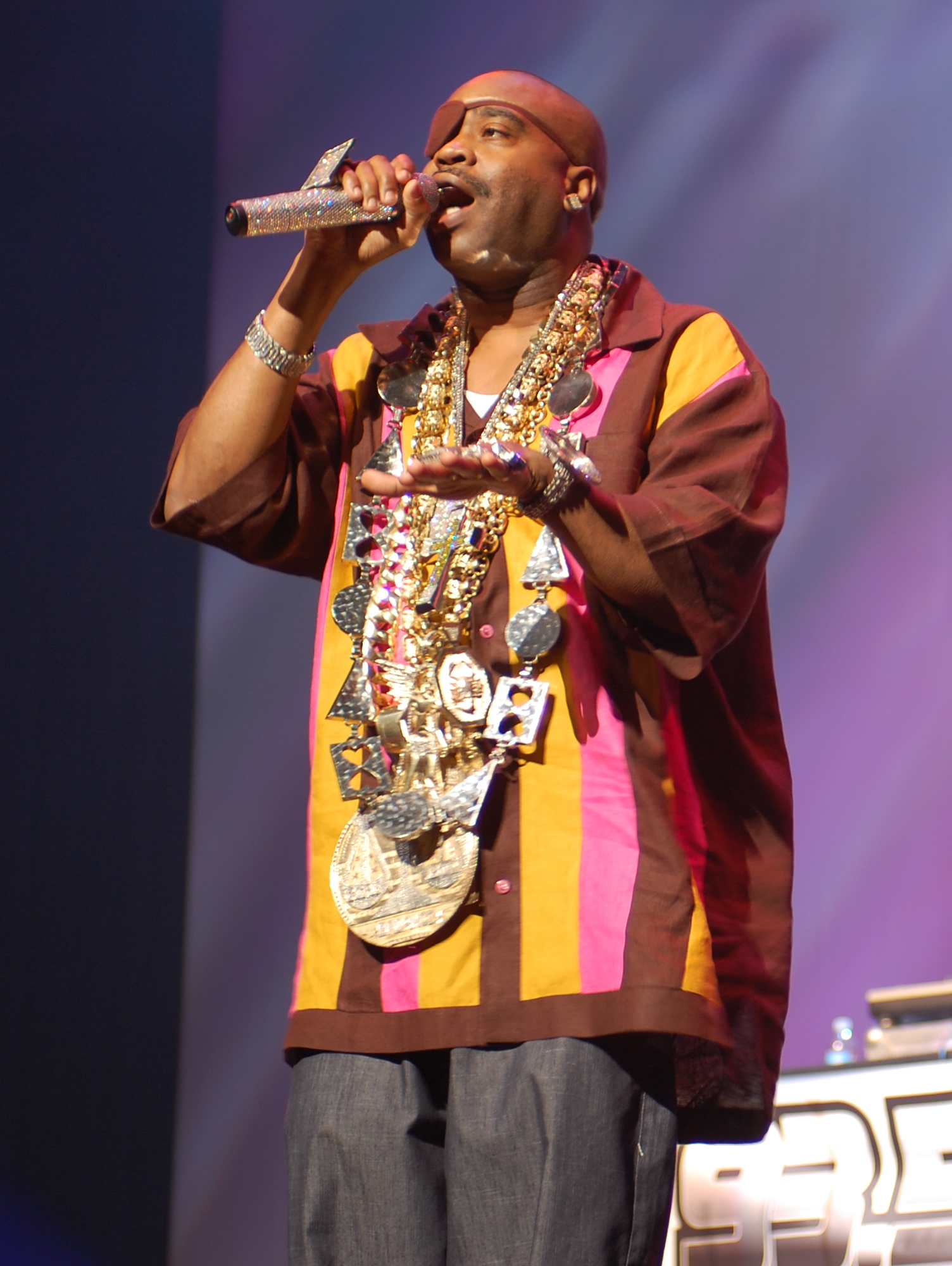
Strategic branding often involves taking an individual’s most unique, sometimes “difficult” traits and recontextualizing them as strengths. Slick Rick did not attempt to mask his injury with medical-grade subtlety; he stylized it with elegance, often pairing it with high-end designer jewelry and refined sartorial choices. By elevating the aesthetic of his eyepatch, he signaled to his audience that he was not defined by his injury, but rather by his composure and his lyrical dexterity. This is the cornerstone of effective personal branding: ownership of one’s narrative.
The Psychology of the “Iconic Silhouette”
Marketing professionals understand that the human brain prioritizes visual patterns. A silhouette that is easily recognizable is infinitely more marketable than a generic one. Slick Rick’s silhouette—defined by the eyepatch, the gold chains, and the crown—is among the most recognizable in music history.
Recognition and Brand Recall
In a crowded marketplace like the 1980s and 90s hip-hop scene, differentiation was the key to longevity. While other artists competed through aggressive lyrical themes or shifting fashion trends, Slick Rick maintained a consistent visual baseline. Consistent branding leads to higher brand recall. Because his image remained static while his musical output evolved, he was able to maintain a deep connection with multiple generations of fans. When you keep your brand imagery consistent, you decrease the cognitive load on your audience, allowing them to instantly register who you are and what you stand for.
The Role of Mystery in Branding
Mystery is a powerful tool in human psychology. Because the exact nature of the injury was not always the primary topic of his interviews, the eyepatch invited curiosity. In the digital age, we call this the “gap” in information, which naturally drives engagement. By never fully de-mystifying the patch, Slick Rick allowed his audience to fill in the blanks with their own curiosity, which effectively kept his brand in the conversation for over forty years. He understood that being “known” does not mean being “fully explained.”
Crafting a Legacy Beyond the Aesthetics
The longevity of Slick Rick’s career proves that while a strong visual brand opens the door, sustained value keeps the brand alive. Personal branding is not just about how you look; it is about the intersection of your unique appearance and your unique talent.
Authenticity as a Retainer
Consumers are increasingly cynical toward manufactured personas. Today’s market demands “radical transparency” or, at the very least, an undeniable sense of self. Slick Rick’s brand has survived the transition from the golden age of hip-hop to the digital streaming era because it never felt like a marketing gimmick. It felt like an extension of his soul. When a personal brand is built on a foundation of genuine self-expression, it becomes “future-proof.” Trends in music production and fashion may change, but the core identity of a person who has accepted their own reality remains constant.
Consistency Across Platforms
From his early days on Def Jam Records to his modern-day collaborations and licensing deals, Slick Rick has utilized his signature aesthetic across every medium. Whether it is an album cover, a guest appearance on a track, or an interview on a digital platform, the branding remains cohesive. This level of consistency creates trust. When an audience knows exactly what to expect from a brand, they are more likely to support that brand through various phases of its life cycle.
Lessons for Modern Personal Branding
The story of how Slick Rick handled his public identity offers critical lessons for anyone building a professional brand today. Whether you are an entrepreneur, a creator, or a corporate executive, your “eyepatch”—the thing that makes you stand out or sets you apart—is your greatest asset.
Own Your Differentiators
Most people spend their careers trying to blend in or hide their quirks. The Slick Rick methodology suggests the opposite: identify the trait that makes you look, sound, or behave differently and lean into it. If your background is unconventional, or your approach to a problem is unique, do not flatten those edges. These are the facets that allow a brand to shine.
The Power of Evolution
It is important to note that while Slick Rick kept the patch, he evolved the context of his branding. As he grew older, his wardrobe became more sophisticated, mirroring his status as an elder statesman of rap. Evolution is not the same as changing your identity. You can remain true to your core brand symbols while simultaneously maturing the way those symbols are presented. This balance between consistency and growth is what allows icons to remain relevant.

Longevity Through Personal Narrative
Ultimately, Slick Rick’s branding success stems from his ability to tell a story. The eyepatch is simply the visual trigger for the narrative. By consistently delivering high-quality artistry, he ensured that the visual branding was backed by substance. In personal branding, the image captures the attention, but the quality of the work retains the audience.
In conclusion, “what happened to Slick Rick’s eye” is a question that leads to an answer about resilience, styling, and branding genius. He took a life event and sculpted it into an icon. He demonstrated that in the arena of public perception, you do not need to hide your reality to be successful; you simply need to have the confidence to wear it as a crown. For anyone looking to build a brand that lasts, the lesson is clear: find your signature, own it completely, and back it up with unparalleled excellence. That is how you turn a moment of personal history into an enduring cultural legacy.
aViewFromTheCave is a participant in the Amazon Services LLC Associates Program, an affiliate advertising program designed to provide a means for sites to earn advertising fees by advertising and linking to Amazon.com. Amazon, the Amazon logo, AmazonSupply, and the AmazonSupply logo are trademarks of Amazon.com, Inc. or its affiliates. As an Amazon Associate we earn affiliate commissions from qualifying purchases.